


 Wall Street Slides as Iran War Uncertainty, Oil Surge, and AI Fears Rattle Markets
  Gold Prices Surge on U.S.-Iran Ceasefire Reports
  Oil Prices Rebound as Iran Denies U.S. Talks, Middle East Tensions Persist
  Australia's Inflation Eases in February but Core Pressures Persist
  Asian Currencies Stay Muted as Dollar Holds Firm Amid Iran Uncertainty
  UK Consumer Confidence Weakens Amid Middle East Conflict and Rising Living Costs
  Gold Prices Climb as Middle East Ceasefire Talks Stir Market Optimism
  Trump Tariffs Show Minimal Economic Impact but Boost Federal Revenue, Study Finds
  Asian Currencies Weaken as Dollar Rebounds Amid Middle East Uncertainty and Japan Inflation Data
  Japan Eyes Oil Futures Intervention to Stabilize Yen Amid Middle East Crisis
  U.S. Stock Futures Steady as Iran Reviews U.S. Ceasefire Proposal
  Oil Prices Plunge Over 6% as Middle East Ceasefire Hopes Ease Supply Fears
  Oil Prices Climb as Iran Reviews U.S. Peace Proposal Amid Middle East Tensions
  Federal Reserve Balance Sheet Reduction: Brookings Research Outlines Possible Path Forward
  Asian Stocks Gain Amid Iran Conflict Uncertainty
  Oil Prices Rebound as Iran Denies U.S. Talks Amid Gulf War Supply Fears


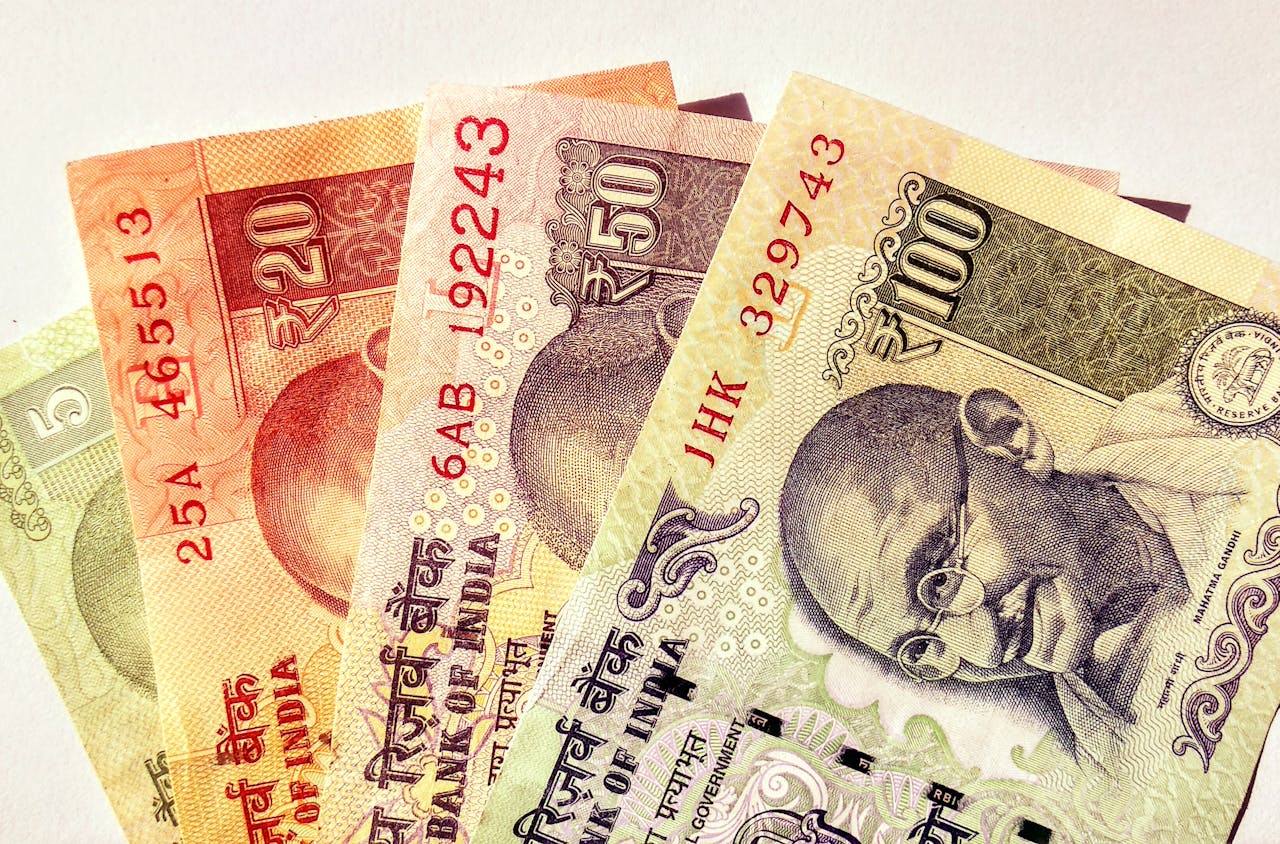
The Indian rupee may face headwinds this week as markets brace for the U.S. announcement of reciprocal tariffs, set for April 2. Investors are closely watching the potential fallout on global trade and growth, with currency and bond markets poised for a reaction.
The rupee ended March at 85.47 per dollar, gaining 2.3%—its best monthly performance in over six years—boosted by foreign inflows and corporate activity. Despite outperforming its Asian peers, uncertainty over U.S. trade policy remains a key risk. President Donald Trump is expected to unveil tariffs mirroring those imposed on American exports.
Kotak Institutional Equities projects USD/INR to range between 85–89 in FY2026, with revisions likely after the tariff decision. A Mumbai-based trader noted that the Reserve Bank of India may allow the rupee to depreciate if the dollar strengthens post-announcement.
Meanwhile, India's 10-year government bond yield is forecast to remain in the 6.52%-6.60% range this week, after ending at 6.5823% on Friday. March saw a 15 basis point drop—its sharpest decline in 10 months—driven by strong foreign demand and dovish global central banks. Yields have fallen 47 bps so far this year, the most in five years.
Investor sentiment is buoyed by falling inflation, with retail prices easing to 3.61% in February. This has increased expectations for another RBI rate cut on April 9, following the February easing.
Markets also anticipate reduced government borrowing in H1 FY2025, which could steepen the yield curve. Key data this week includes India’s manufacturing and services PMI, alongside major U.S. indicators like non-farm payrolls and trade data, all of which could shape currency and bond movements.













