


 Fed’s Anna Paulson Signals Rates Could Stay Higher Longer Amid Inflation Risks
  Iran-U.S. Nuclear Talks Remain Unresolved as Strait of Hormuz Risks Keep Markets on Edge
  US Imposes Fresh Iran Oil Sanctions Despite Progress on Ceasefire Talks
  Oil Prices Fall as Markets Await U.S.-Iran Peace Deal Decision
  Asian Stocks Rally as AI Boom and Iran Ceasefire Progress Lift Market Sentiment
  BOJ Rate Hike Expectations Grow as Board Member Signals Hawkish Stance
  South Korea Central Bank Holds Interest Rates Steady Amid Inflation Concerns
  US Stock Futures Rise as Hopes Grow for U.S.-Iran Peace Deal
  Gold Prices Hold Steady as Fed Rate Hike Expectations Offset Middle East Tensions
  Mega IPOs Like SpaceX and OpenAI Could Reshape S&P 500 and Nasdaq 100 Portfolios in 2026
  ECB Warns Euro Zone Inflation Will Keep Rising Despite Strait of Hormuz Reopening
  U.S. Sanctions Iran’s Strait of Hormuz Authority as Global Oil Markets Face Turmoil
  ECB Signals Possible Interest Rate Move if Inflation Outlook Fails to Improve


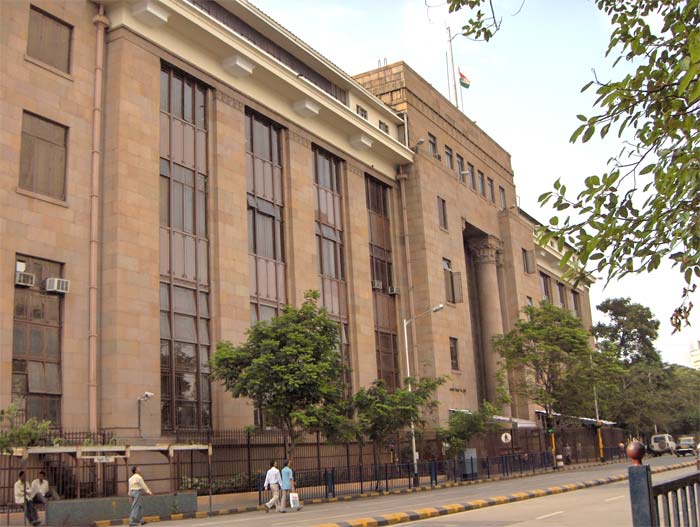
Indian government bonds are expected to begin the week on a cautious and stable note as investors shift their attention to the Reserve Bank of India’s (RBI) monetary policy announcement scheduled for June 5, 2026. Market participants are closely monitoring interest rate expectations, while global factors such as crude oil prices and U.S. Treasury yields remain relatively stable after declining last week.
The benchmark 6.48% 2035 government bond yield is projected to trade between 6.97% and 7.02%, according to market dealers. The yield closed at 7.0037% on Friday, marking a six-basis-point weekly decline, the largest drop recorded in seven weeks. Bond yields move inversely to prices, meaning lower yields indicate stronger bond demand.
Traders believe market activity will largely be driven by expectations surrounding the RBI’s policy decision unless there are significant movements in global markets. A Reuters survey conducted between May 22 and May 29 showed that nearly 80% of economists expect the central bank to keep the repo rate unchanged. However, a smaller group of analysts from institutions including Standard Chartered, Capital Economics, ANZ, MUFG, and OCBC anticipate a rate hike due to inflation concerns.
The RBI is also expected to revise its inflation and economic growth projections for the fiscal year ending March 2027. Rising geopolitical tensions in the Middle East continue to influence global commodity markets, particularly energy prices.
Although Indian government bonds gained last week, sentiment remains cautious. A sharp increase in crude oil prices and weakness in the Indian rupee have raised concerns that the RBI could adopt a more hawkish stance sooner than expected. Brent crude oil prices have climbed more than 30% since disruptions in the Strait of Hormuz began on February 28. The route typically handles around 20% of global oil and liquefied natural gas shipments.
Higher oil prices pose risks to India’s inflation outlook and current account deficit, increasing pressure on policymakers. Reflecting these concerns, India’s overnight index swap rates rose in May. The one-year swap rate ended at 6.0950%, the two-year rate closed at 6.29%, and the five-year swap finished at 6.6125%, highlighting growing market sensitivity to future interest rate movements.







