


 Oil Prices Rise as Iran Holds Firm on Strait of Hormuz Deal
  U.S. Stock Futures Fall as Iran, Oil and AI Risks Rattle Markets
  RBI Uses $10 Billion Currency Swaps to Drain Excess Rupee Liquidity
  Asian Stocks Fall as Bond Yields and Oil Prices Surge
  Asian Currencies Mixed as Yen Weakens, RBA Hike Looms
  Fed Rate Hike Threatens Housing as U.S. Growth Leans on AI, Citi Says
  BOJ Set for Rate Hike as Inflation and Yen Pressure Mount
  BOJ Flags Import Costs and Yen Shocks as Persistent Inflation Risks
  Central Banks Could Buy 20,000 Tonnes of Gold: BofA
  China Industrial Profit Growth Slows as Weak Demand Offsets AI Gains
  Europe’s AI Data Centre Boom Strengthens Case for Nuclear Power
  Nvidia China Chip Sales Report Sends Chinese Semiconductor Stocks Lower
  Japan Warns Markets Over Yen Weakness


 Add as a preferred source on Google
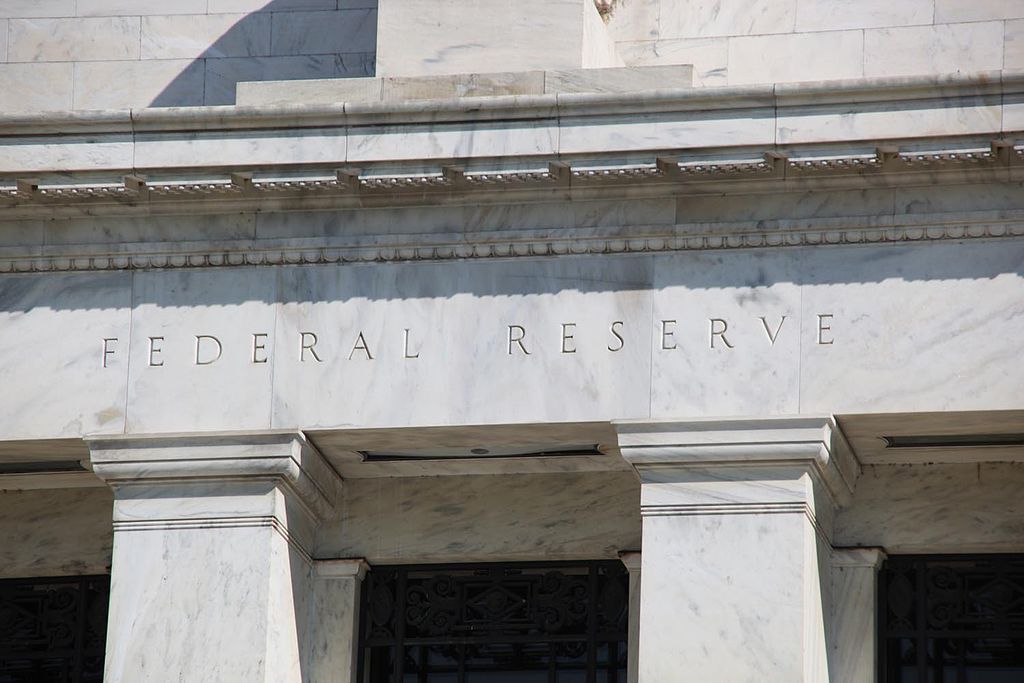
Federal Reserve Bank of Philadelphia President Anna Paulson said Tuesday that financial markets are right to consider the possibility of future U.S. interest rate hikes as inflation pressures continue to linger. Speaking at the 2026 Financial Markets Conference in Amelia Island, Florida, Paulson noted that while current monetary policy remains appropriately restrictive, the Federal Reserve may still need to tighten further if inflation accelerates.
Paulson warned that rising energy prices tied to ongoing Middle East tensions, along with tariffs and global supply chain disruptions, have increased upside risks for inflation. She said it is “healthy” for investors to prepare for scenarios where the federal funds rate stays elevated for an extended period or potentially moves higher if economic conditions demand it.
Despite those concerns, Paulson stated that the Fed’s current stance is “mildly restrictive” and remains in a “good place” to balance inflation control with labor market stability. Her remarks come as investors reduce expectations for Federal Reserve rate cuts in 2026 following stronger-than-expected inflation data and a sharp increase in oil prices.
According to Paulson, headline Personal Consumption Expenditures (PCE) inflation rose to 3.5% in March from 2.6% in January 2025, while core inflation reached 3.2%. She also highlighted that gasoline prices have surged more than 50% since the beginning of the year, adding financial pressure on consumers and businesses.
Meanwhile, crude oil prices remained elevated, with WTI crude trading near $103.94 per barrel. The combination of rising energy costs and persistent inflation has fueled speculation that the Federal Reserve could delay rate cuts or even consider additional hikes later this year.
Paulson also said the U.S. labor market continues to show resilience despite uncertainty surrounding artificial intelligence-related job displacement and geopolitical tensions. The unemployment rate has remained near historically low levels at 4.3%.
She emphasized that any future rate cuts would depend on “sustained progress” toward the Fed’s long-term 2% inflation target, signaling policymakers remain cautious about easing monetary policy too soon.







