


 Deutsche Bank CEO Urges Faster German Economic Reforms
  Mike Rogers Calls for End to US-Canada Tariff War
  Dollar Near 18-Month High as Euro, Yen and Pound Weaken
  Asian Stocks Mixed as OpenAI Revenue Concerns Hit Chipmakers
  US Dollar Rises for Fourth Week as Fed Rate Hike Bets Grow
  Trump Secures Russian Diesel Deal as US Fuel Prices Surge
  France to Release 10 Million Barrels of Diesel to Ease Fuel Prices
  US Dollar Near 18-Month High Ahead of Inflation Data
  US-Led Coalition Targets Global Factory Overcapacity
  Gold Prices Rise as Dollar Weakens, Treasury Yields Fall
  Asian Currencies Steady as Dollar Eyes Fourth Weekly Gain
  Oil Prices Slip as Trump Rules Out Iran Strike Before Midterms
  Trump Calls for Zelenskyy Replacement Amid Russian Diesel Deal
  Bank of America Predicts Yen Rebound as USD/JPY Faces Risks
  Gold Prices Hit One-Week High as Oil Falls, Fed Rate Outlook Weighed
  US Treasury Yields Ease After Strong 10-Year Auction as Global Bonds Struggle


 Add as a preferred source on Google
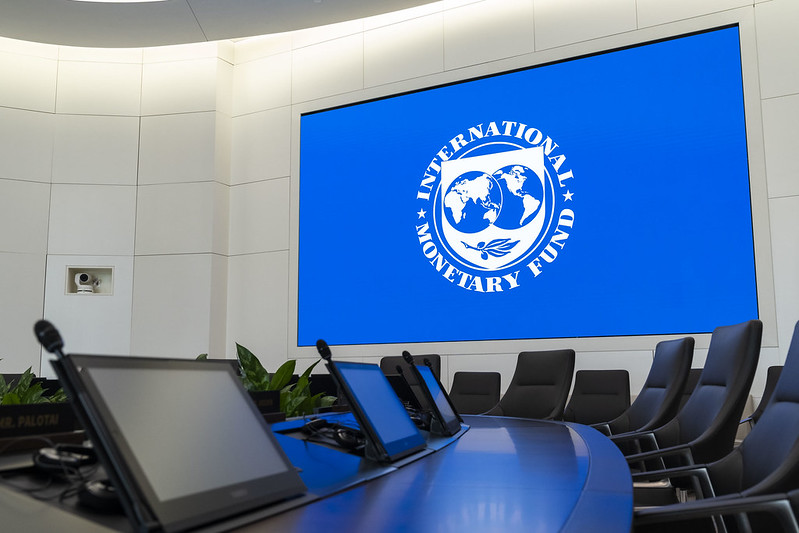
Global finance leaders are gathering in Bangkok this week for the annual International Monetary Fund (IMF) and World Bank meetings as the prolonged Iran war, surging energy prices, rising interest rates and mounting debt threaten global economic growth.
The meetings, attended by approximately 18,000 participants, come as the Middle East conflict enters its eighth month. IMF Managing Director Kristalina Georgieva said attendance exceeds the organization's previous overseas gathering in Morocco in 2023 by 4,000 participants.
US Treasury Secretary Scott Bessent will not attend, citing domestic commitments, although Federal Reserve Chairman Kevin Warsh is expected to participate in discussions with Georgieva on October 16.
The economic consequences of Iran's closure of the Strait of Hormuz remain a central concern. The disruption has affected approximately 20% of global oil supplies, driving up diesel and fertilizer prices while intensifying inflationary pressures.
World Bank President Ajay Banga warned that rising energy costs, extreme weather associated with a potential powerful El Niño and growing debt obligations could create significant challenges for vulnerable economies.
To ease supply shortages, Group of Seven nations agreed to release 100 million barrels of crude oil and diesel from emergency reserves. Meanwhile, President Donald Trump announced an agreement allowing additional Russian diesel supplies into global markets through temporary sanctions relief.
Despite these measures, dwindling accessible oil inventories continue to expose energy markets to further price volatility.
The IMF currently expects global economic growth of approximately 3% in 2026, although forecasts for Ukraine and several Gulf economies could face downward revisions.
Public debt represents another major concern. The IMF projects global government debt will exceed 100% of GDP before 2030, reaching levels unseen since World War Two.
Developing economies face particularly severe financial pressures, with external debt repayments expected to total $400 billion in 2026. Higher US interest rates, capital outflows and expensive borrowing conditions are worsening their financial vulnerabilities.
Critics also warn that stricter IMF lending conditions could force governments to reduce public spending and increase taxes, potentially triggering social unrest.
As policymakers meet in Thailand, the interconnected threats of geopolitical instability, inflation, energy shortages and sovereign debt underscore the growing difficulty of maintaining global financial stability.







