


 US Revises UN Resolution on Iran Strait of Hormuz Attacks Amid Russia-China Opposition
  Senate Stablecoin Bill Sparks Clash Between Banks and Crypto Industry
  Rubio Presses Italy Over Iran Support as Tensions Test U.S.-Italy Alliance
  U.S. Sanctions Former DR Congo President Joseph Kabila Over Rebel Support
  Trump Announces Russia-Ukraine Ceasefire for May 9-11 Amid Ongoing Peace Talks
  Brazil Pension Fund Crackdown After Banco Master Collapse Raises Investment Concerns
  U.S.-China Beef Trade Deal Hopes Rise Ahead of Trump-Xi Summit
  Ukraine-Russia Ceasefire Confirmed as Prisoner Swap Deal Advances
  US Launches Retaliatory Strikes on Iran Amid Rising Strait of Hormuz Tensions
  Ghana Rejects U.S. Health Deal Over Data Sharing Concerns Amid Foreign Aid Shift
  U.S. Budget Airlines Seek $2.5 Billion Government Aid Amid Rising Jet Fuel Costs
  China-Made Fireworks Power U.S. Independence Day Celebrations Amid Trade Truce
  Trump Expands Cuba Sanctions Targeting Key Sectors and Foreign Entities
  Judge Rules Use of Military Lawyers in Civilian Prosecutions Is Lawful
  US Sanctions Target Iran’s Shadow Banking Network and Terror Financing
  Dominican Republic Halts GoldQuest Mining Project Amid Environmental Protests


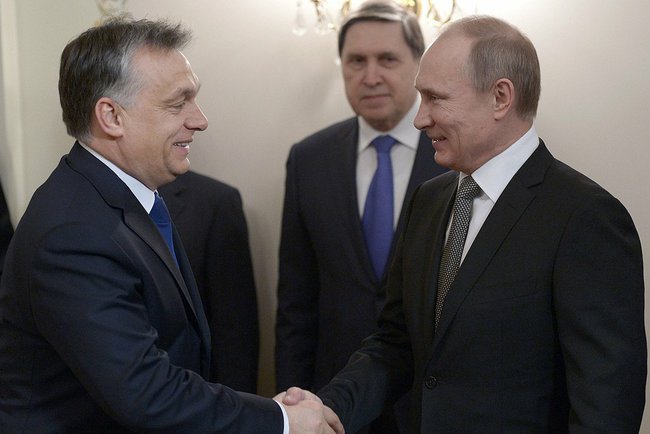
Hungary's parliament has approved a bill initiating the country's formal withdrawal from the International Criminal Court (ICC), marking a significant move by Prime Minister Viktor Orban's government, which claims the court has become politically biased. The legislation passed on May 20 with 134 votes in favor and 37 against, launching a one-year exit process upon formal notification to the UN Secretary-General.
The decision comes shortly after Israeli Prime Minister Benjamin Netanyahu visited Hungary in a rare overseas trip, despite an active ICC arrest warrant accusing him of war crimes in Gaza—a claim Netanyahu has firmly denied. Hungary has openly criticized the warrant as “brazen” and refuses to enforce it.
Orban’s government argues the ICC no longer functions as an impartial judicial body. "Hungary firmly rejects the use of international organizations – in particular criminal courts – as instruments of political influence," stated the bill, submitted by Deputy Prime Minister Zsolt Semjen.
The ICC, established over 20 years ago to prosecute individuals for war crimes, crimes against humanity, and genocide, now faces growing scrutiny from countries claiming political overreach. Hungary, a founding member, ratified the Rome Statute in 2001, but critics note the domestic law was never formally promulgated.
The ICC’s Assembly of State Parties has expressed concern over Hungary's decision. However, Netanyahu praised the move, calling it a “bold and principled decision.” The development adds to global tensions surrounding the ICC’s role and its arrest warrants amid the ongoing conflict in Gaza.
Hungary’s withdrawal will take effect in 12 months, in accordance with ICC rules, following the official submission of its intent to the United Nations.







