


 Uber Stock Falls as Waymo Plans to End Robotaxi Partnership by 2028
  Philips Shares Slide 10% Despite Earnings Beat as Weak Orders Raise Growth Concerns
  Serica Energy to Acquire Pharos Energy for £145.7M, Sending PHARP Shares Soaring
  US Stock Futures Rise as Oil Falls, Nvidia Eyes $250 Billion OpenAI Data Center Deal
  South Korean Chip Stocks Plunge as AI Spending Concerns and China Competition Shake Market
  US Dollar Posts Best Weekly Gain in Over a Month as Middle East Tensions Boost Safe-Haven Demand
  Brazil Challenges Trump Tariffs at WTO Over Trade Dispute
  SAP Beats Q2 Revenue Estimates as Cloud Backlog and Business AI Demand Drive Growth.
  Galp Shares Fall After Q2 EBITDA Miss Despite Profit Beat and Higher Dividend
  Asian Markets Rise as Oil Prices Fall Ahead of Fed, BOE, BOJ Meetings
  Brown-Forman Rejects Sazerac’s $15 Billion Takeover Bid as Family Backs Independence
  Air Liquide Q2 Sales Growth Tops Forecast as Electronics Business Drives Strong Performance
  TeamViewer Shares Fall Despite Profit Growth as ARR and Customer Base Decline
  OpenAI AI Agent Reportedly Breached Hugging Face, Raising AI Safety Concerns
  Unilever Raises 2026 Sales Outlook After Strong Q2 Volume Growth
  Nvidia Invests $1 Billion in Naver as South Korea AI Data Center Expansion Gains Momentum
  Wall Street Ends Mixed as Fed Decision, Earnings and Tariffs Keep Investors on Edge


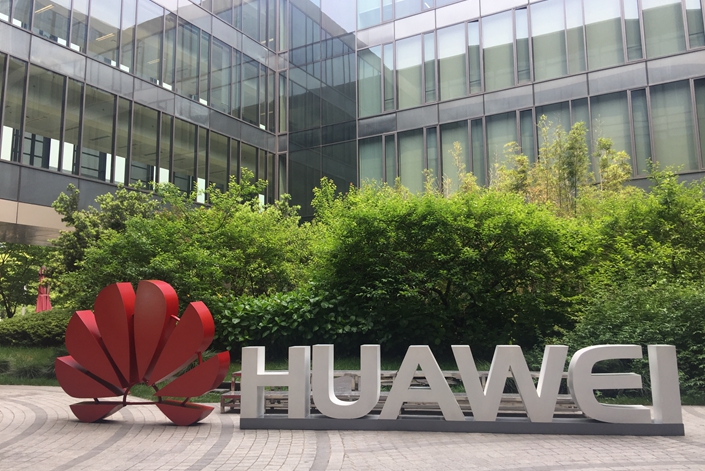
Chinese telecom equipment giant Huawei Technologies Co. blamed the US for a global chip shortage that stalled production across manufacturing industries and called for cooperation with South Korea, Japan, and Europe to form a new semiconductor supply chain.
The auto industry was especially affected by the chip shortage.
According to Karl Song, Huawei's vice president of corporate communications, the shortage is due to the sanctions Huawei faces and its impact on the companies that the company cooperates with. He called for the lifting of US sanctions.
Eric Xu, Huawei's rotating chairman, claimed that US sanctions against them created supply uncertainties that hurt the semiconductor industry.
Currently, Huawei is cut off from semiconductors made with US equipment, software, and designs due to the US sanctions over national security concerns.
The US has long alleged that Huawei's equipment is used to spy on foreign networks.
Huawei plans to further collaborate with South Korean companies, noting that its purchases from South Korea over the past five years were worth US$37 billion.
LG Uplus Corp., a major South Korean mobile carrier, uses Huawei equipment for its 5G network.
US President Joe Biden had urged more spending in the chipmaking sector to resolve the chip shortage and build up a stable supply chain in a meeting with the top executive officers of 19 global firms to discuss ways to address the ongoing semiconductor shortage.







