


 US Dollar Slips After PCE Inflation Data as Fed Rate Hike Expectations Stay Elevated
  World Bank Approves $1.1 Billion Emergency Funding for Bangladesh Amid Food and Energy Price Pressures
  Trump Threatens 100% Tariffs on Countries Imposing Digital Services Taxes on U.S. Tech Firms
  Oil Prices Rise as US-Iran Tensions Threaten Strait of Hormuz Oil Shipments
  Asian Currencies Stay Range-Bound as Investors Eye China Data, RBNZ Outlook and U.S.-Iran Ceasefire
  Economic pessimism has set in – but there are reasons for Australians to be hopeful
  Central Banks Eye Gold, Reduce Dollar Exposure as AI Adoption Accelerates: OMFIF Survey
  Trump Suspends Some Morocco Fertilizer Tariffs to Ease U.S. Supply Shortage
  Yen Falls to 40-Year Low as Markets Watch Japan Intervention and U.S. Jobs Report
  Dollar Slips Ahead of Key U.S. Jobs Data as Fed Rate Outlook, ECB, and Iran Talks Shape Forex Markets
  China Factory PMI Seen Returning to Growth in June as AI Export Demand Supports Economy
  Canada Grants C$7 Million to Greenland Molybdenum Mine to Strengthen Critical Minerals Supply
  Gold Price Falls as Fed Rate Hike Fears and U.S.-Iran Tensions Weigh on Bullion
  Trump Questions Housing Bill as He Prioritizes SAVE America Act
  Japan Targets 1%+ Real Economic Growth With ¥370 Trillion Investment Plan
  Global Financial Firms Shift Asia Expansion Focus to South Korea as China, India Face Caution
  China Expands Export Controls, Adds 20 Japanese Companies to Restricted List


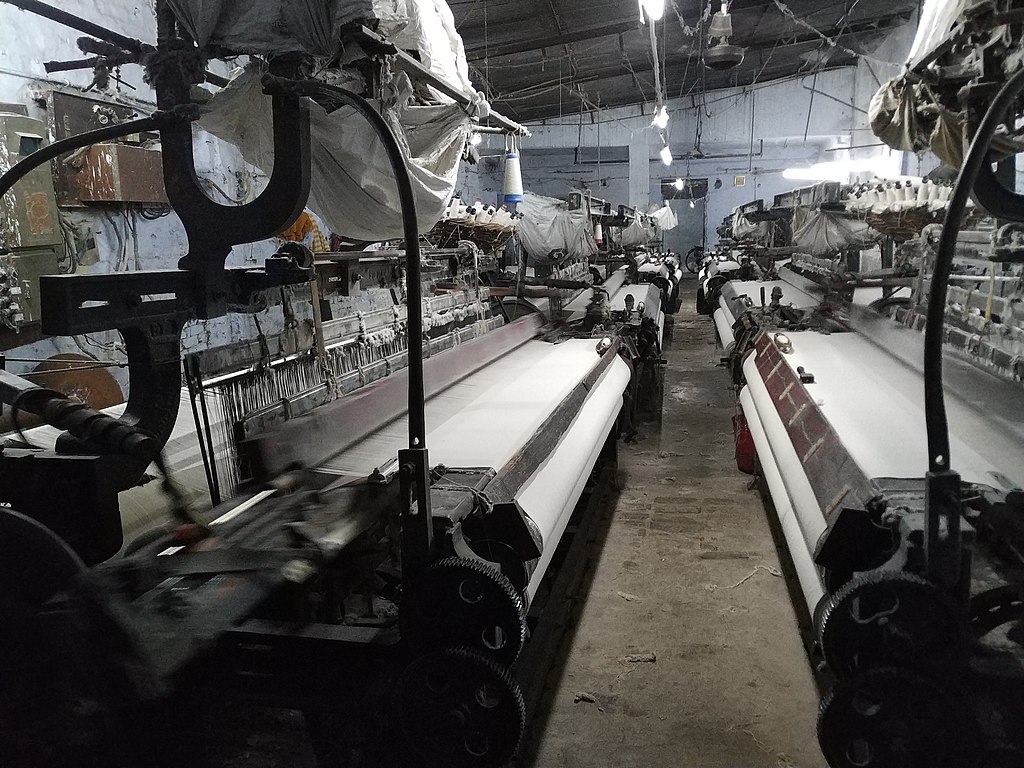
India’s manufacturing sector recorded its strongest growth in three months during May, supported by robust demand and a rise in new orders, according to the latest HSBC India Manufacturing Purchasing Managers’ Index (PMI) survey compiled by S&P Global.
The manufacturing PMI climbed to 55.0 in May from 54.7 in April, surpassing the preliminary estimate of 54.3. Since a PMI reading above 50 indicates expansion, the latest figure highlights continued strength in India’s industrial sector and signals healthy business activity.
A key driver of growth was the increase in new orders, which expanded at the fastest pace since February. Manufacturers reported that strong domestic demand, competitive pricing strategies, and ongoing civil engineering projects helped boost order volumes. While export orders continued to rise, their growth rate slowed to the weakest level in three months, making domestic demand the primary contributor to overall expansion.
Factory output also accelerated, reaching its highest level in three months. Producers of intermediate and capital goods led the increase in production, while growth among consumer goods manufacturers moderated compared with previous months. Companies continued to hire workers to support rising workloads, although the pace of job creation eased slightly from April.
Despite the positive demand environment, manufacturers faced significant cost pressures. Input price inflation remained among the strongest levels seen in nearly four years, driven by higher expenses for energy, fuel, raw materials, and transportation. Survey participants also pointed to the ongoing conflict in the Middle East as a factor contributing to rising costs. Capital goods manufacturers experienced the sharpest increase in input expenses among the major industry segments tracked.
Although production costs surged, selling price inflation softened from April and remained below the rate of input cost growth. Competitive market conditions prevented many companies from fully passing increased expenses on to customers.
To manage supply risks and prepare for future demand, manufacturers sharply increased purchasing activity and built contingency inventories. Meanwhile, business confidence declined to its lowest level since February. However, overall sentiment remained positive as firms expressed optimism that cost pressures could ease in the coming months, supported by strong order books, ongoing marketing efforts, and expectations of sustained demand growth.
The latest PMI data underscores the resilience of India’s manufacturing sector, which continues to expand despite elevated inflationary pressures and global economic uncertainties.







