


 Serica Energy to Acquire Pharos Energy for £145.7M, Sending PHARP Shares Soaring
  Johnson & Johnson Proposes $5.5 Billion Talc Settlement to Resolve U.S. Ovarian Cancer Lawsuits
  CATL Shares Jump as $5.6 Billion Buyback Signals Confidence in Long-Term Growth
  Brown-Forman Rejects Sazerac’s $15 Billion Takeover Bid as Family Backs Independence
  CXMT IPO Debut in Shanghai Puts $85.5 Billion Chipmaker in Spotlight
  Shein Reports $99 Million Loss Ahead of Hong Kong IPO as U.S. Tariffs Hit Sales
  Galp Shares Fall After Q2 EBITDA Miss Despite Profit Beat and Higher Dividend
  Exosens H1 Profit Beats Forecasts as Defense Demand Drives Growth
  TeamViewer Shares Fall Despite Profit Growth as ARR and Customer Base Decline
  OpenAI AI Agent Reportedly Breached Hugging Face, Raising AI Safety Concerns
  SAP Beats Q2 Revenue Estimates as Cloud Backlog and Business AI Demand Drive Growth.
  Paramount-Warner Bros. Merger Delayed Until 2027 Amid Antitrust Lawsuit
  Air Liquide Q2 Sales Growth Tops Forecast as Electronics Business Drives Strong Performance
  Uber Stock Falls as Waymo Plans to End Robotaxi Partnership by 2028
  ASML, Applied Materials Slide as China DUV Chip Equipment Breakthrough Sparks Market Jitters
  Coca-Cola Raises Diet Coke Prices in India as Iran Conflict Disrupts Can Supply
  Nvidia Invests $1 Billion in Naver as South Korea AI Data Center Expansion Gains Momentum


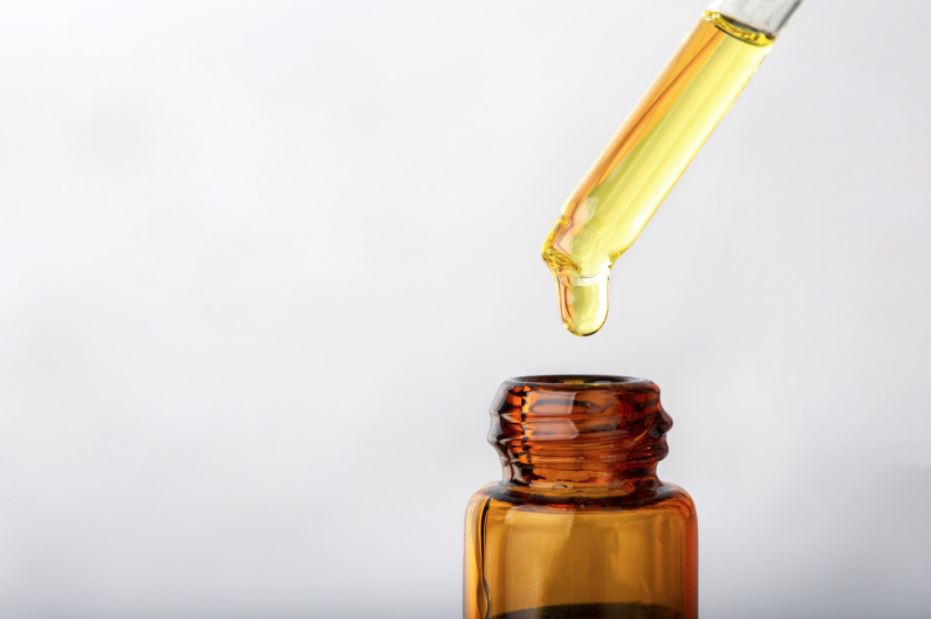
As the list of countries that legalised CBD is expanding, you can see more and more CBD products on shelves. In this article, we’ll explain what things matter when you buy CBD oil and how to have no regrets about the purchase, whether you decide to use CBD for sleep, pain or anxiety.
What are the crucial factors to consider prior to the purchase?
There are just two of them: no potentially harmful chemicals that might be in the soil and the proportion of two key cannabinoids —THC (tetrahydrocannabinol) and CBD.
Clean soil
The hemp plant can grow in contaminated soil and thrive. What’s more, it cleans the soil it grows in. This is great for the soil but really bad for the plant itself because it absorbs harmful chemicals like radon, pesticides, petroleum products, asbestos, lead, chromated copper arsenate, and creosote.
Through the process called phytoremediation, the roots of the hemp plant dig deep into toxic soil and absorb harmful chemicals together with many beneficial nutrients that might remain. Usually, the polluting elements are removed from the soil and stored in the hemp plant (particularly in the leaves, stalk, or stems). That’s why it is crucial to grow hemp on organic farms and to commit to sustainable farming practices.
THC/ CBD ratio
Both CBD and THC share the exact same molecular structure but are different in the way the atoms are arranged. CBD (cannabidiol) is the star player in hemp products because it is not psychoactive and is shown to help with anxiety, pain, depression, insomnia and even seizures. THC (tetrahydrocannabinol) is responsible for the “high”, if used in large amounts. Cannabis products containing over 0.3% (USA) and 0.2% (Europe) THC are illegal.
Other things to consider
How CBD oil is made
Unfortunately, there aren’t any regulations in the CBD oil industry that control the manufacturing process. It gives brands the freedom to use cheap extraction methods which harm the oil quality — for example, toxic solvents like propane, hexane, pentane and butane.
We suggest researching the vendor’s production methods and opt for CBD processed through ethanol and/or supercritical CO2 extraction.
Ethanol is used to remove all the toxins and residues from the base hemp plant. The method of extraction is considered to yield the highest amount of cannabinoids among the different refinement processes.
CO2 extraction involves using carbon dioxide under high pressure in a cold environment. This method requires expensive equipment, a more complex refinement process and production expertise. However, it ensures that CBD oil maintains its purity all through the process.
Third-party lab testing
High-quality CBD brands will always provide third-party lab results to their consumers. Independent labs exist to ensure that CBD oil is exactly what it claims to be, with a high level of CBD, low THC, and lacking in different impurities that can be harmful to consumers.
This article does not necessarily reflect the opinions of the editors or management of EconoTimes







