


 U.S., South Korea Launch Shipbuilding Partnership Initiative
  Israeli Strikes in Gaza Kill Three as Ceasefire Tensions Continue
  TikTok Nears $400 Million Settlement With Trump Administration Over Child Privacy Lawsuit
  Mexico President Claudia Sheinbaum Reconsiders Early School Closure Plan Ahead of 2026 World Cup
  Trump Announces Russia-Ukraine Ceasefire for May 9-11 Amid Ongoing Peace Talks
  Delcy Rodriguez Appears at ICJ Hearing Over Venezuela-Guyana Esequibo Dispute
  Trump to Visit China for Key U.S.-China Summit With Xi Jinping
  US Revises UN Resolution on Iran Strait of Hormuz Attacks Amid Russia-China Opposition
  Trump-Xi Summit Sparks Renewed Hope for Americans Detained in China
  Trump Credits Belarus Prisoner Release in U.S.-Backed Swap
  Iran Military Readiness Intensifies After Meeting With Mojtaba Khamenei
  Israel’s Secret Iraq Base Allegedly Supported Iran Air Campaign, WSJ Reports
  Senate Stablecoin Bill Sparks Clash Between Banks and Crypto Industry
  Russia Accuses Ukraine of Ceasefire Violations Amid Drone and Artillery Attacks
  Russian LNG Shadow Fleet Expands Amid Arctic LNG 2 Sanctions
  Malaysia Unveils Energy Security Plan Amid Iran Conflict and Rising Oil Costs


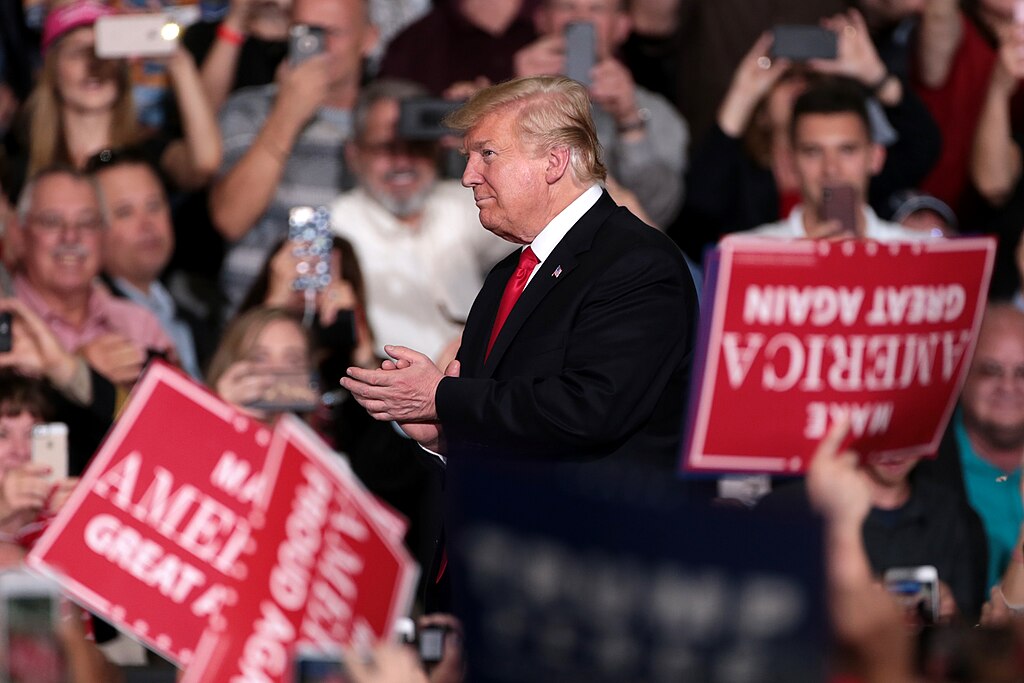
As President Donald Trump prepares to commence his second term in January 2025, his administration is poised to implement a series of policies that could significantly reshape the technology industry. These initiatives encompass regulatory reforms, antitrust actions, and strategic appointments, reflecting a comprehensive approach to addressing longstanding concerns about Big Tech's influence and operations.
Antitrust Measures and Regulatory Reforms
A cornerstone of the administration's strategy involves intensifying antitrust scrutiny of major technology firms. The Department of Justice (DOJ) and the Federal Trade Commission (FTC) are expected to pursue investigations and potential breakups of companies exhibiting monopolistic behaviors. Notably, the DOJ has proposed measures to dismantle Google's dominance in the search engine market, including the sale of its Chrome browser and restrictions on its Android operating system.
Additionally, the administration plans to revisit Section 230 of the Communications Decency Act, which grants immunity to online platforms from liability for user-generated content. Proposed reforms aim to hold platforms accountable for content moderation practices, particularly concerning allegations of political bias.
Strategic Appointments
President Trump has nominated Brendan Carr as the chairman of the Federal Communications Commission (FCC). Carr, a vocal critic of Big Tech, has articulated plans to regulate social media platforms more stringently, focusing on content moderation policies. His appointment signals a shift toward increased oversight of online speech and platform accountability.
Artificial Intelligence and National Security
The administration views advancements in artificial intelligence (AI) as a critical component of national security. In response to concerns over China's progress in AI development, a bipartisan congressional commission has recommended a government initiative akin to the Manhattan Project to accelerate U.S. advancements in AI. This proposal underscores the administration's commitment to maintaining technological superiority.
Public Reaction
The administration's approach to Big Tech has elicited a spectrum of reactions:
-
@TechAdvocate: "Regulating Big Tech is necessary, but we must ensure innovation isn't stifled in the process."
-
@FreeSpeechDefender: "Holding platforms accountable for censorship is a win for free speech and democracy."
-
@MarketAnalyst: "Antitrust actions could disrupt the tech industry and have unforeseen economic consequences."
Conclusion
President Trump's 2025 policies toward Big Tech represent a concerted effort to address concerns over monopolistic practices, content moderation, and national security implications. While supporters argue that these measures are essential for preserving competition and free speech, critics caution against potential overreach and unintended economic impacts. As these initiatives unfold, the balance between regulation and innovation will remain a focal point of public discourse.







