


 AstraZeneca Q2 Earnings Beat Forecasts as Oncology Growth Supports 2026 Outlook
  Seagate Stock Jumps as AI-Fueled Earnings Beat and Strong FY2027 Outlook Impress Investors
  Nvidia Eyes $250B Guarantee for OpenAI’s Massive Ohio AI Data Center Project
  Johnson & Johnson Proposes $5.5 Billion Talc Settlement to Resolve U.S. Ovarian Cancer Lawsuits
  Rio Tinto Stock Jumps as Strong Earnings, Higher Dividend and AI Metal Demand Boost Outlook
  Standard Chartered Beats Profit Forecasts as First-Half Earnings Rise 9%
  Brown-Forman Rejects Sazerac’s $15 Billion Takeover Bid as Family Backs Independence
  CXMT IPO Debut in Shanghai Puts $85.5 Billion Chipmaker in Spotlight
  TeamViewer Shares Fall Despite Profit Growth as ARR and Customer Base Decline
  Tech Stock Positioning Nears Neutral as Investor Rotation Enters Final Phase, Deutsche Bank Says
  Barclays Q2 Profit Beats Forecasts as Investment Banking Strength Offsets Higher Costs
  Galp Shares Fall After Q2 EBITDA Miss Despite Profit Beat and Higher Dividend
  Philips Shares Slide 10% Despite Earnings Beat as Weak Orders Raise Growth Concerns
  Air Liquide Q2 Sales Growth Tops Forecast as Electronics Business Drives Strong Performance
  ASML, Applied Materials Slide as China DUV Chip Equipment Breakthrough Sparks Market Jitters
  Sika Raises 2026 Sales Outlook After Strong First-Half Results Beat Expectations
  GSK Unveils $2.52 Billion Cost-Cutting Plan to Accelerate Drug Pipeline


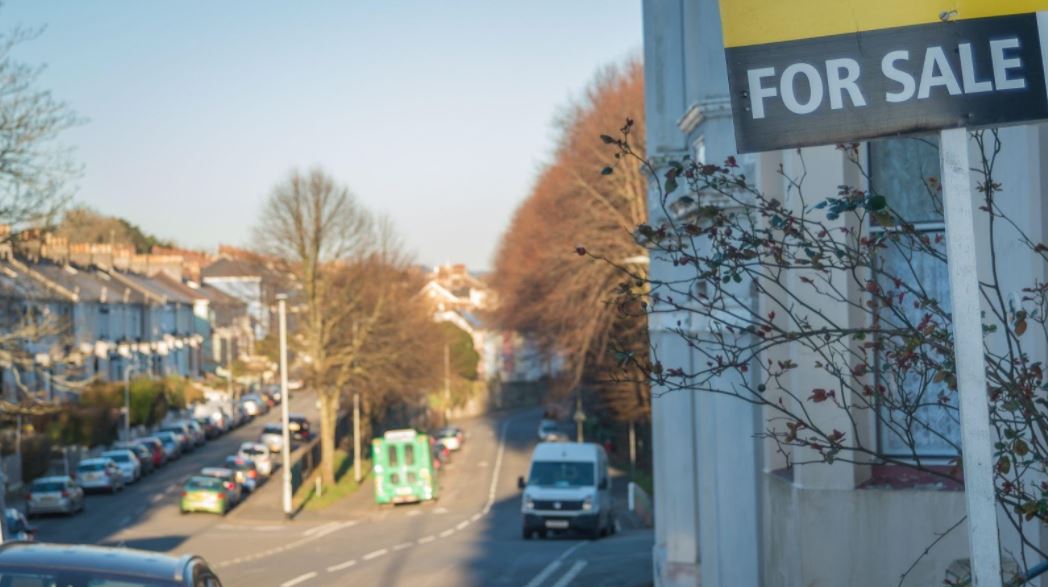
UK house prices have continued to rise despite a slowdown in economic activity since Covid-19 graced us with its presence.
At the beginning of 2020, the property market came to a halt overnight, as the global pandemic brought the world to a standstill. Now, almost a year on, the UK has announced a coronavirus vaccine that could help the economy to get back on its feet and fend off a property market downturn.
Not to mention the significant role that the stamp duty land tax holiday has also played, as well as the employee furlough scheme put in place by the government to help struggling businesses support their staff.
So what will happen when these measures that have been put in place come to an end, and the vaccine is rolled out?
Let’s take a deeper look at how the vaccine, amongst other things, can help to support the UK property market and minimise a potential downturn.
It was ground-breaking news when the UK announced that it was the first country to approve a vaccine for Covid-19. This should hopefully work to help the UK economy get back on its feet, following a second national lockdown across England, which could also help reduce a dive in house prices.
Investors should consider what will happen as healthcare providers start to administer the vaccines and the UK slowly returns to ‘business as usual’. Whilst some experts have their reservations about the property market, and whether or not it will continue to survive the global pandemic, others cling to the hope of what the vaccine could bring.
It’s no secret that UK house prices have risen. According to Savills, the housing markets annual growth has reached up to 5.0% following the latest reports by Nationwide, making it its strongest level since September 2016. Many believe that this will come to an end in the new year; however, delayed property deals should carry over to 2021, meaning people will still be looking to become homeowners.
The demand for houses this year could be a result of the stamp duty holiday where people decided to move their investment plans to 2020 to take advantage of the offer. But what will happen when the stamp duty holiday comes to an end on the 31st of March 2021?
Well, once stamp duty land tax is restored for homes valued above £500,000, the cost of purchasing a home will be sure to increase again. For buy to let investors, stamp duty land tax will also return to pre-pandemic rates. This could leave fewer people able to afford to buy property, and may put downward pressure on house prices.
For more information on stamp duty, Brexit and property investment in the UK, specialists RWinvest have put together some useful guides.
Industry leaders have also been quick to jump to conclusions when predicting what might happen once the furlough scheme comes to an end and unemployment levels sky-rocket.
Yes, there will be further pressure on businesses, but it’s based on the assumption that when furlough ends, unemployment will spike, and house prices will crash. There is an important factor that may have been overlooked. Individuals nowadays carry more transferable skills when compared to previous recessions, so whilst placed on furlough, people have been looking for alternative job opportunities in sectors that are booming, like tech and finance, despite the many job losses that have occurred.
For those fortunate enough to keep their jobs during the lockdowns, it is also worth considering how much money they have managed to save, and how many people will likely play a role in supporting the demand for houses next year.
The only issue some people may face is that banks may not be as willing to lend money to those in a position to keep the housing market alive. Still, with UK house prices predicted to grow by over 20% on average by 2024 according to Savills, any temporary slow in property prices over the new year will likely be short-lived.
This article does not necessarily reflect the opinions of the editors or management of EconoTimes







