


 Germany Rejects Putin’s Proposal for Schroeder to Mediate Ukraine Peace Talks
  Senate Stablecoin Bill Sparks Clash Between Banks and Crypto Industry
  TikTok Nears $400 Million Settlement With Trump Administration Over Child Privacy Lawsuit
  Ukraine-Russia Ceasefire Confirmed as Prisoner Swap Deal Advances
  Russian LNG Shadow Fleet Expands Amid Arctic LNG 2 Sanctions
  Delcy Rodriguez Appears at ICJ Hearing Over Venezuela-Guyana Esequibo Dispute
  Israel’s Secret Iraq Base Allegedly Supported Iran Air Campaign, WSJ Reports
  Trump Announces Russia-Ukraine Ceasefire for May 9-11 Amid Ongoing Peace Talks
  Mexico President Claudia Sheinbaum Reconsiders Early School Closure Plan Ahead of 2026 World Cup
  Taiwan Confident in Strong U.S. Relations Ahead of Trump-Xi China Summit
  US Revises UN Resolution on Iran Strait of Hormuz Attacks Amid Russia-China Opposition
  Israeli Strikes in Gaza Kill Three as Ceasefire Tensions Continue
  Trump Credits Belarus Prisoner Release in U.S.-Backed Swap
  Malaysia Unveils Energy Security Plan Amid Iran Conflict and Rising Oil Costs
  Trump-Xi Beijing Summit to Focus on Trade, Taiwan, and Boeing Deal
  Trump Reportedly Approves Plan to Remove FDA Commissioner Marty Makary Amid Growing Controversies


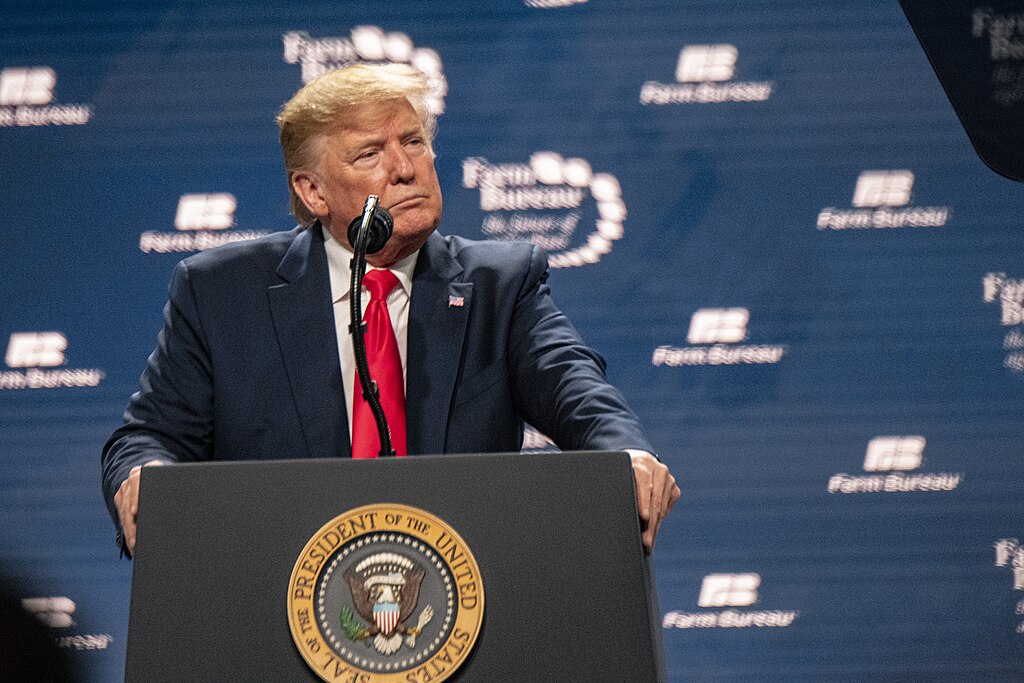
Donald Trump’s presidency left a profound and lasting impact on the U.S. judicial system. Over his four years in office, Trump appointed more than 200 federal judges and transformed the ideological makeup of the Supreme Court by seating three conservative justices. These appointments have cemented a legacy that is likely to shape the direction of American law for generations, with implications for rulings on issues ranging from reproductive rights and gun laws to immigration and environmental regulations.
Trump’s judicial appointments were a key element of his administration’s strategy to reshape the federal courts and ensure a conservative interpretation of the Constitution. With the help of Senate Republicans, led by then-Majority Leader Mitch McConnell, the Trump administration moved swiftly to confirm judges, capitalizing on every opportunity to fill vacancies across the federal judiciary.
Supreme Court Appointments
Perhaps Trump’s most significant and enduring impact on the judicial system was his appointment of three Supreme Court justices: Neil Gorsuch, Brett Kavanaugh, and Amy Coney Barrett. These appointments shifted the Court’s balance to a 6-3 conservative majority, altering the ideological landscape of the highest court in the land. This conservative tilt is expected to influence major rulings for years to come, shaping the interpretation of the Constitution in ways that align with originalist and textualist viewpoints.
Trump’s appointments came under varying circumstances. Gorsuch was nominated in 2017 to fill the seat left vacant after the death of Justice Antonin Scalia in 2016. Kavanaugh’s nomination in 2018 followed Justice Anthony Kennedy’s retirement, which triggered a contentious confirmation process. Barrett was confirmed in 2020 following the death of Justice Ruth Bader Ginsburg, cementing a solid conservative bloc on the Court just weeks before the presidential election.
These appointments have already begun to influence rulings on contentious issues, including decisions on abortion rights, religious freedom, and immigration policies. The long-term effects of this conservative majority will likely continue to shape key legal battles in the years ahead.
Federal Judiciary Transformation
In addition to the Supreme Court, Trump’s administration had a significant impact on the lower federal courts. With over 200 federal judges confirmed during his presidency, Trump reshaped not only the district courts but also the influential U.S. Courts of Appeals. These courts often serve as the final arbiter in many cases, as the Supreme Court hears only a fraction of cases each year.
Trump’s judicial appointees, most of whom were recommended by conservative legal groups such as the Federalist Society, are generally younger than previous generations of judges. Their appointments, therefore, promise to extend Trump’s influence well beyond his presidency, as these judges are likely to serve for decades, shaping decisions on critical legal issues at both the district and appellate levels.
The Legacy of Judicial Appointments
Trump’s rapid confirmation of judges was part of a broader Republican effort to reshape the judiciary after years of judicial vacancies during the Obama administration. His success in confirming a large number of judges is likely to be one of the most enduring legacies of his presidency, particularly given the lifetime appointments of federal judges.
Critics argue that Trump’s judicial appointments were overly partisan and prioritized conservative ideology over legal qualifications. Supporters, however, view his judicial legacy as a triumph for originalist interpretations of the Constitution and a victory for conservatives eager to see a shift in the federal courts.
Disclaimer: EconoTimes cannot independently verify all claims related to the long-term impacts of Donald Trump’s judicial appointments.
As the U.S. continues to navigate legal battles over issues such as health care, civil rights, and immigration, the judges appointed by Trump will play a crucial role in determining the outcomes of these cases. With the federal courts now significantly reshaped, Trump’s influence on American law is likely to be felt for decades, long after his time in office has ended.







