


 US Accelerates Taiwan Arms Deliveries Amid Rising China Threat
  Trump to Visit China in May for High-Stakes Xi Summit Amid Iran War
  Denmark Election 2025: Social Democrats Suffer Historic Losses Amid Migration and Cost-of-Living Tensions
  U.S. Deploys Elite 82nd Airborne Troops to Middle East Amid Iran Tensions
  Iran Demands Lebanon Be Part of Any Ceasefire Deal With Israel and the U.S.
  Russia Strikes Kharkiv and Izmail as Cross-Border Drone War Escalates
  US-Iran Ceasefire Talks Underway: What You Need to Know
  Israel Eyes Litani River as New Border Amid Escalating Lebanon Offensive
  Trump Administration Settles Lawsuit Barring Federal Agencies from Pressuring Social Media Censorship
  Trump's Overhaul of American History: Museums, Monuments, and Cultural Institutions
  Iran-Israel Missile Strikes Continue Amid Mixed Signals on U.S.-Iran Diplomacy
  Russia-Iran Military Alliance Deepens With Drone Shipments Amid Middle East Tensions
  Maduro Faces Rare Narcoterrorism Charges in U.S. Court
  Bachelet Pushes Forward With UN Secretary-General Bid Despite Chile's Withdrawal
  Cuba Receives Humanitarian Aid Convoy Amid U.S. Sanctions
  Trump Seeks Quick End to U.S.-Iran Conflict Amid Ongoing Middle East Tensions
  Pakistan's Diplomatic Rise: Mediating U.S.-Iran Peace Talks


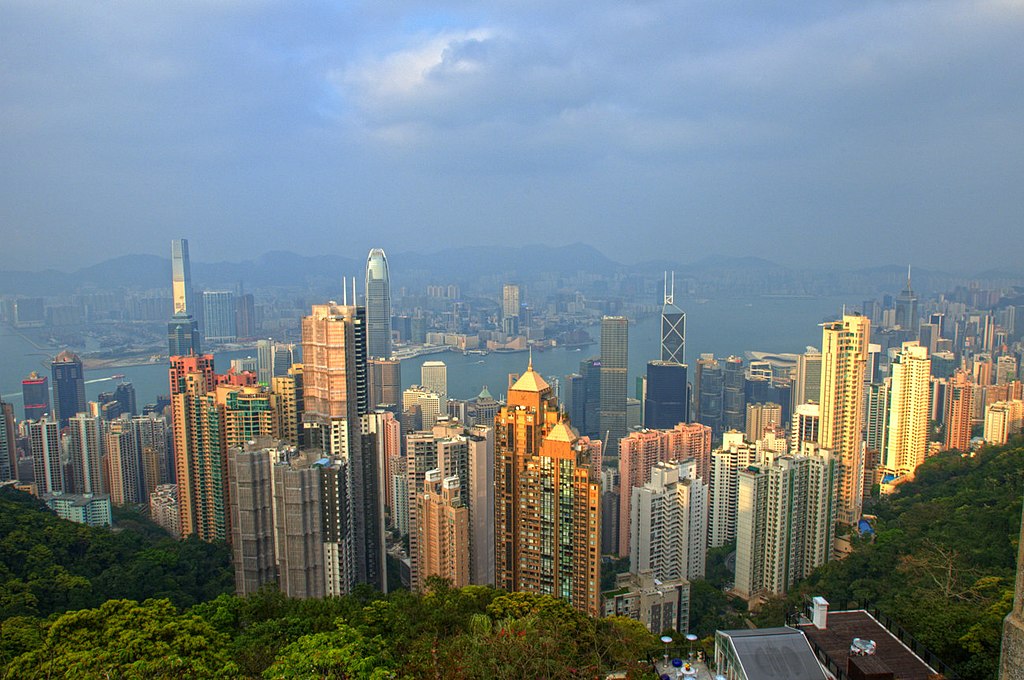
Hong Kong’s upcoming Legislative Council election on Sunday is drawing intense attention to voter turnout as the city continues to mourn the deadliest fire it has seen in nearly 80 years. The tragedy, which claimed at least 159 lives after seven towers in the Wang Fuk Court complex were engulfed in flames, has triggered widespread grief and frustration. Authorities say the blaze was fuelled by substandard renovation materials, prompting both criminal and corruption investigations.
With residents shaken and angry, the government is working urgently to prevent a broader public backlash. The election, however, remains tightly controlled under Beijing’s political framework. Only candidates deemed “patriots” by the China-backed administration are permitted to run, following a sweeping electoral overhaul in 2021. This restructuring severely limited democratic participation and criminalized public calls for election boycotts, curbing the once-dominant pro-democracy vote.
Beijing has warned against any “anti-China” demonstrations related to the fire and cautioned foreign media against spreading what it calls misinformation. Hong Kong’s national security office has urged citizens to vote, framing participation as essential to the city’s recovery efforts. Officials, including Hong Kong leader John Lee, say casting a “critical vote” represents support for reform and for residents affected by the disaster. Seven people have been arrested so far for allegedly encouraging others not to vote.
Campaign activities have been noticeably subdued as the city remains in a state of mourning. Analysts say the political climate, combined with public grief, could significantly influence voter turnout. The previous Legislative Council election in 2021 saw a historic low turnout of 30.2%, raising questions about public sentiment and the future of political engagement in Hong Kong under tightened security laws and reduced democratic space.













