


 Hua Hong Semiconductor Stock Surges to Multi-Year High Amid AI Boom
  Wall Street Futures Edge Higher as Iran Tensions and AI Optimism Shape Markets
  Infineon Raises 2026 Outlook as AI Data Center Chip Demand Surges
  Arm Stock Drops Despite Strong AI Chip Demand and Earnings Beat
  U.S.-China Beef Trade Deal Hopes Rise Ahead of Trump-Xi Summit
  Lula and Trump Talks Signal New Phase in Brazil-US Relations
  China Banks Halt New Loans to Sanctioned Refineries Amid U.S.-Iran Oil Crackdown
  Dollar Weakens as Iran Peace Hopes Boost Risk Appetite and Yen Gains Strength
  Meta Plans $13B AI Data Center Financing in Texas Amid Surging Big Tech Investment
  Nike Tariff Refund Lawsuit Sparks Consumer Backlash Over Price Increases
  Judge Delays SEC Settlement With Elon Musk Over Twitter Stock Disclosure Case
  Broadcom Eyes $35 Billion AI Chip Financing Deal With Apollo and Blackstone
  U.S.-China AI Talks May Take Center Stage at Trump-Xi Summit
  UOB Q1 Profit Meets Expectations as Loan Growth Offsets Lower Interest Rates
  U.S. Cybersecurity Pushes Faster Patch Deadlines Amid Rising AI-Driven Threats
  Iran-U.S. Peace Deal Near as Oil Prices Fall and Nuclear Disputes Persist


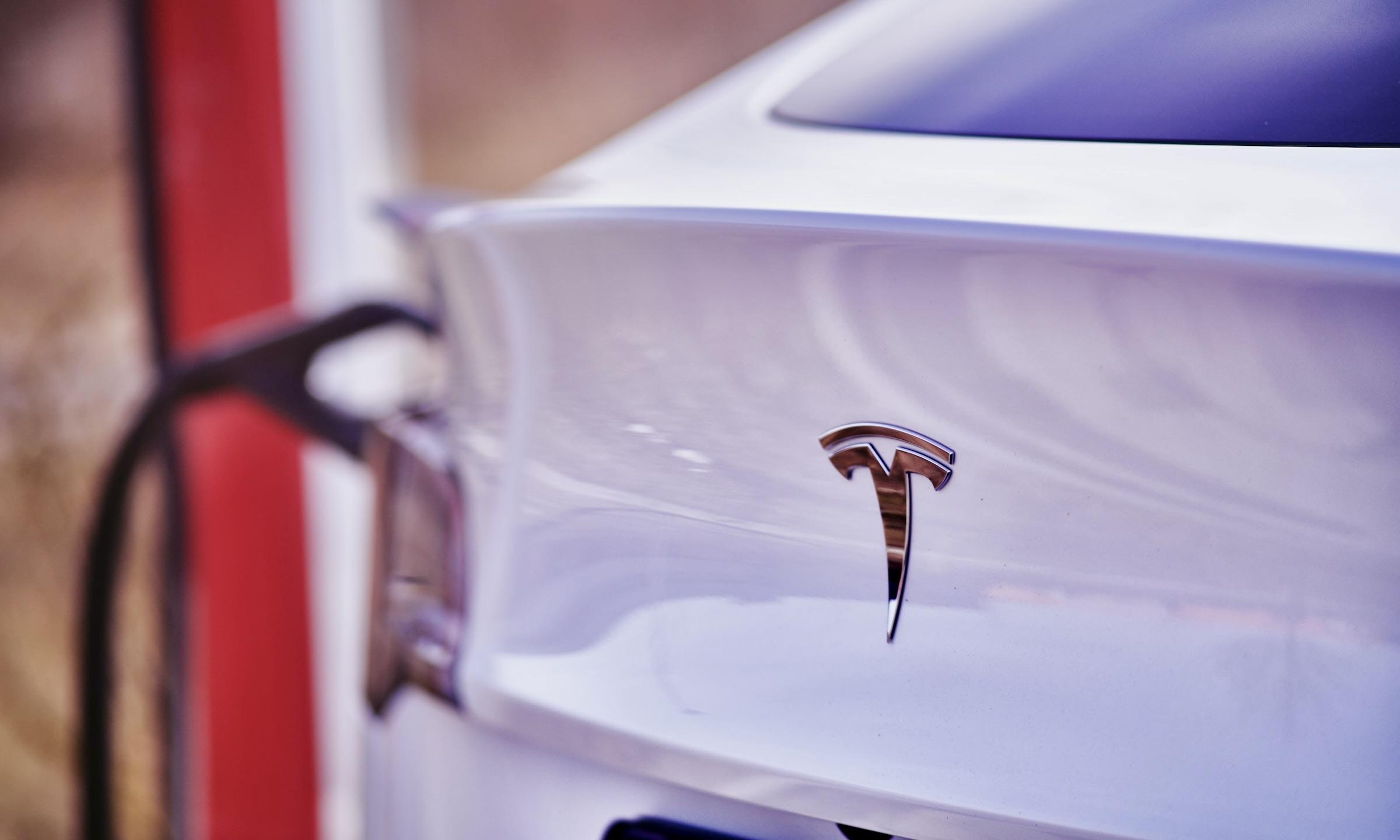
Honda joins major automakers in adopting Tesla's EV charging standards from 2025, signaling a shift towards simplifying and standardizing North America's electric vehicle charging landscape.
Honda will incorporate Tesla's North American Charging Standard (NACS) system into its EV models in line with this development. Even before 2025, the company plans on enabling compatibility by utilizing an adapter, as stated in its announcement.
This strategic move aligns Honda with prominent automakers such as Ford Motor Co., General Motors Co., and others who have already adopted Tesla's quick charging network. The shared commitment to Tesla's technology signals a unified effort among automakers to simplify and standardize EV charging processes.
Nissan Motor Co, a fellow Japanese automaker, had previously disclosed its intent to embrace NACS port technology in the North American market starting in 2025. By doing so, these automakers aim to ensure seamless charging experiences for their respective electric vehicles.
Historically, Japanese auto and power companies established CHAdeMO—a consortium promoting Japan's EV recharging system. However, with the growing industrywide adoption of Tesla's connector, it appears that Tesla's charging technology is poised to become the global standard.
The weight and ease of use—relative to the Combined Charging System employed by the rest of the industry—make Tesla's North American Charging Standard connector and cord an attractive choice. Moreover, Tesla's extensive network of over 17,000 Supercharger stations in the US and approximately 54,000 public charging stations make it an appealing option for EV owners.
As more automakers transition to Tesla's connector, industry experts believe that Tesla is well on its way to establishing itself as the industrywide charging standard. Such recognition would translate into increased revenue and a significant competitive advantage for the California-based company, which currently dominates the US EV market.
While adding Honda to Tesla's charging network will likely benefit both companies, it may cause some concerns among existing Tesla owners. Analysts speculate that Tesla may reserve certain portions of the network exclusively for Tesla vehicle owners, maintaining a sense of exclusivity.
Earlier this year, the White House announced plans to make at least 7,500 Tesla Supercharger and Destination Charger stations available to non-Tesla electric vehicles by the end of 2024. However, the rollout progress has been relatively slow thus far.
With the automotive industry gravitating towards Tesla's charging technology, it is evident that Honda's adoption is just one step towards a larger trend. As the world transitions towards electric mobility, standardization and convenience in EV charging will play pivotal roles in shaping the future of sustainable transportation.
Photo: Michael Förtsch/Unsplash







