


 OpenAI AI Agent Swarm Behind Hugging Face Hack
  US Tightens Cuba Sanctions, Targets Officials and State Entities
  U.S. Probes Apex Logistics Over Nvidia AI Chip Shipments to China
  Google Changes EU Spam Policy Amid Antitrust Scrutiny
  PayPal Shares Sink as $50 Billion Takeover Bid Collapses
  BofA Names ASML Top Semiconductor Equipment Pick on Growth, Valuation
  Nvidia Eyes Perplexity Investment at $30 Billion Valuation
  SEC Proposes ‘Regulation Crypto Assets’ Framework for Crypto Fundraising
  SEC Sues Former Tricolor Executives Over $1.9 Billion Investor Fraud Scheme
  Yindjibarndi Appeals Fortescue Mining Compensation Ruling
  Senate Majority Leader John Thune Moves to Advance Crypto Clarity Act
  US Supreme Court Lets $655.5 Million Judgment Against Palestinian Authorities Stand During Appeal
  TikTok, DOJ Reach $400 Million Children’s Privacy Settlement
  Meta Agrees to $18 Billion Settlement, Tightens Teen Social Media Rules
  Judge Blocks Trump Mail Voting Order Ahead of 2026 Midterms


 Add as a preferred source on Google
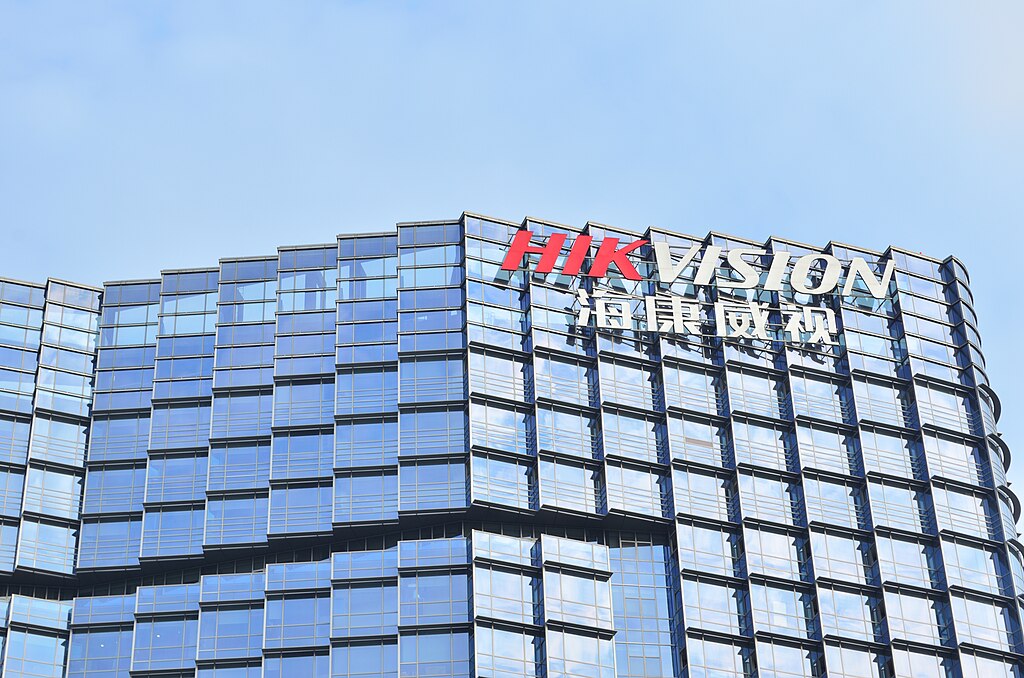
Chinese technology manufacturer Hikvision announced that its U.S. subsidiary has filed a legal challenge against a recent Federal Communications Commission (FCC) rule aimed at strengthening restrictions on telecom equipment linked to national security risks. The move comes after the FCC’s unanimous October vote to block new approvals for devices containing components from companies on its “Covered List,” which includes Hikvision, Huawei, ZTE, China Mobile, and China Telecom.
Hikvision said in its petition for judicial review that the FCC overstepped its authority by seeking to retroactively limit previously authorized equipment without adequate legal or evidentiary justification. The company argues that the decision undermines the stability of the regulatory environment and threatens the rights of its U.S. customers, partners, and existing market presence. The FCC has not yet issued a comment regarding the filing.
The updated FCC rule allows the agency not only to prohibit new equipment authorizations from listed Chinese firms but also to restrict certain devices that had already been approved. In October, FCC Chairman Brendan Carr revealed that major U.S. online retailers had removed millions of listings for unauthorized or prohibited Chinese electronics, including home security cameras and smartwatches from brands such as Huawei, Hikvision, ZTE, and Dahua Technology.
Hikvision, a leading global supplier of video surveillance systems, security cameras, and network transmission equipment, continues to face heightened scrutiny in the United States. Earlier in February, a U.S. appeals court denied Hikvision’s attempt to overturn a 2022 FCC ban on approvals for new surveillance and telecommunications products.
The FCC has escalated its national security efforts in recent years, including moves to revoke operating authorizations for Chinese telecom carriers in the U.S. and withdraw recognition of testing laboratories owned or controlled by the Chinese government. These measures reflect Washington’s broader push to limit potential security vulnerabilities associated with foreign-made telecom and surveillance technologies.







