


 Apple Wins ITC Ruling, Keeping Blood-Oxygen Feature on Apple Watch
  Federal Agencies Secretly Test Anthropic's AI Despite Trump Administration Ban
  NiSource Signs Long-Term Energy Deals with Alphabet and Amazon to Power Indiana Data Centers
  KKR's $820M Investment Fuels Samsung SDS AI Expansion, Sending Group Shares Soaring
  Elliott Investment Takes ~3% Stake in Daikin, Pushes for Buybacks and Strategic Overhaul
  Greg Abel Sells Berkshire Hathaway Stocks Managed by Former Investment Manager Todd Combs
  CSN's Cement Unit Sale Could Exceed $2 Billion as Global Giants Circle
  DEEPX Partners with Hyundai to Power Next-Gen AI Robots Ahead of IPO
  Australia Extends Fuel Sulphur Relaxation Amid Iran War Supply Disruptions
  Anthropic Nears $800 Billion Valuation as Investor Confidence Surges
  Japan to Subsidize Sony's Image Sensor Plant in Kumamoto with $380 Million
  AEVEX Raises $320 Million in IPO Amid Surging Defense Sector Demand
  Federal Judge Dismisses DOJ Lawsuit Attempting to Block Hawaii's Climate Case Against Oil Giants
  ASML Raises 2026 Revenue Outlook as AI Chip Demand Surges
  Pentagon Taps Auto Giants to Supercharge U.S. Weapons Production
  CATL Stock Hits Record High After Q1 2025 Earnings Surge
  Tesla's Terafab: AI Chip Factory Eyes Taiwan's Semiconductor Talent


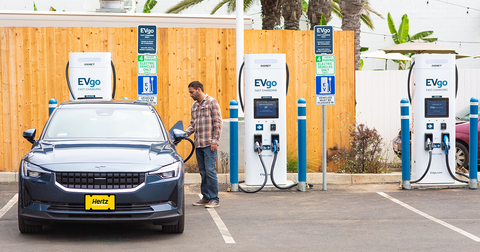
Rental firm Hertz Global Holdings announced its decision to sell approximately 20,000 electric vehicles, including Teslas, from its U.S. fleet. The move comes as Hertz faces escalating expenses related to collision and damage, prompting the company to opt for gas-powered vehicles instead.
As a result, the stock price of Hertz fell about 4%, with Tesla's stock declining approximately 3%, according to Reuters.
Financial Impact and Fleet Changes
Hertz anticipates incurring around $245 million U.S. in depreciation expenses from the proposed sale of the electric vehicles in the fourth quarter of 2023. The company's decision raises concerns about the future of electric vehicles, as the growth rate of sales of these vehicles has slowed.
Major automakers such as General Motors and Ford have also scaled back production plans for EVs. Morgan Stanley analyst Adam Jonas believes that Hertz's move serves as a warning for the entire EV market and highlights the need to reassess expectations.
Potential Hidden Costs of EV Ownership
While electric vehicles offer consumers an enjoyable driving experience and fuel savings, there are other "hidden" costs associated with EV ownership. Hertz's expenses related to collision and damage, primarily associated with EVs, remained high during the quarter.
Selling the electric vehicle fleet is part of Hertz's strategy to address these challenges and optimize its operations.
CBC News has contacted Hertz to clarify whether these fleet changes will affect Canadian vehicle fleets. The outcome of this decision could have implications for Hertz's operations in Canada and its commitment to integrating electric vehicles into its fleet.
Hertz's EV Targets and Current Inventory
Previously, Hertz aimed to have 25% of its fleet consist of electric vehicles by the end of 2024. However, the company's used car website now showcases more than 700 EVs for sale, featuring models such as BMW's i3, Chevrolet's Bolt, and Tesla's Model 3 and Model Y SUVs.
Hertz is not the only rental car company scaling back its electric vehicle offerings. German rental car company Sixt confirmed that it had not purchased any Tesla vehicles since 2022 and is currently selling its existing fleet of Teslas as part of its regular de-fleeting process. The challenges Hertz and other rental companies face reflect the meandering path of EVs in the market.
Photo: Hertz Newsroom







