


 Russia-Iran Military Alliance Deepens With Drone Shipments Amid Middle East Tensions
  Russia Strikes Kharkiv and Izmail as Cross-Border Drone War Escalates
  Trump's Overhaul of American History: Museums, Monuments, and Cultural Institutions
  Trump Administration Settles Lawsuit Barring Federal Agencies from Pressuring Social Media Censorship
  Trump Votes by Mail Despite Calling It "Cheating" as Democrat Wins Mar-a-Lago District
  Iran-Israel Missile Strikes Continue Amid Mixed Signals on U.S.-Iran Diplomacy
  U.S. Deploys Elite 82nd Airborne Troops to Middle East Amid Iran Tensions
  Bachelet Pushes Forward With UN Secretary-General Bid Despite Chile's Withdrawal
  Trump to Visit China in May for High-Stakes Xi Summit Amid Iran War
  Denmark Election 2026: Frederiksen Eyes Third Term Amid Trump-Greenland Tensions
  WTO Reform Talks Begin in Cameroon Amid Global Trade Tensions
  US Accelerates Taiwan Arms Deliveries Amid Rising China Threat
  Trump Seeks Quick End to U.S.-Iran Conflict Amid Ongoing Middle East Tensions
  Cuba Receives Humanitarian Aid Convoy Amid U.S. Sanctions
  FEMA Reinstates $1 Billion Disaster Prevention Grant Program After Court Order
  Trump Backs Down on Iran Strikes After Gulf Allies Sound the Alarm
  Maduro Faces Rare Narcoterrorism Charges in U.S. Court


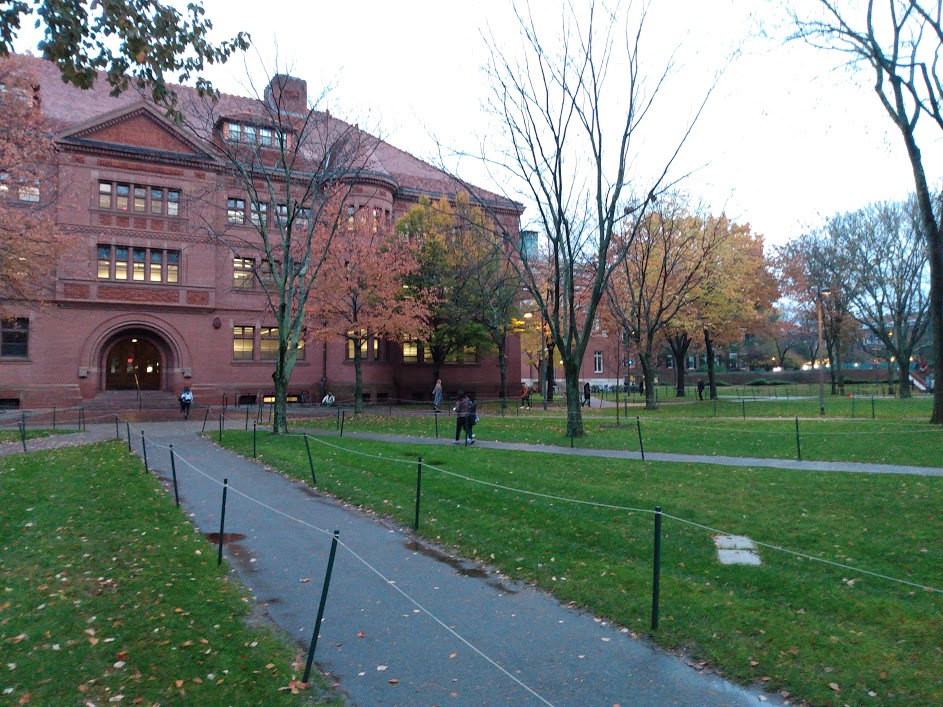
Harvard University has criticized the Trump administration for intensifying what it calls “astonishingly intrusive” demands, even after revelations that a government letter detailing those demands was sent without proper authorization. According to the New York Times, the letter—dated April 11 and signed by officials from the Education, Health, and General Services departments—was not cleared by senior administration officials before being sent.
The administration had already issued a list of controversial conditions on April 3 tied to Harvard’s $2.3 billion in federal funding. These included banning masks, dismantling diversity and inclusion programs, and cooperating more with law enforcement. The April 11 letter escalated the demands, asking Harvard to stop recognizing certain pro-Palestinian groups and to report foreign students allegedly violating university rules.
Harvard firmly rejected the conditions, saying they would force the university to surrender control over key decisions like admissions, faculty hiring, and curriculum. The Trump administration responded by freezing federal funds, threatening the school's tax-exempt status, and restricting its ability to enroll international students.
Despite believing ongoing discussions might prevent a showdown, Harvard now says the administration has “doubled down” through its actions. A university spokesperson remarked, “Actions speak louder than words.”
President Trump has recently targeted elite universities, accusing them of tolerating antisemitism amid pro-Palestinian protests. Harvard, now at the center of the administration’s scrutiny, says the demands violate academic independence and infringe on free expression.
The White House declined to comment. Internal reports suggest division within the administration over how the April 11 letter was handled, with some claiming it was sent prematurely.
Harvard continues to push back, calling the federal demands a severe overreach into academic governance and freedom.













