


 Elon Musk’s SpaceX Acquires xAI in Historic Deal Uniting Space and Artificial Intelligence
  TSMC Eyes 3nm Chip Production in Japan with $17 Billion Kumamoto Investment
  SoftBank Shares Slide After Arm Earnings Miss Fuels Tech Stock Sell-Off
  Nvidia, ByteDance, and the U.S.-China AI Chip Standoff Over H200 Exports
  Anthropic Eyes $350 Billion Valuation as AI Funding and Share Sale Accelerate
  SpaceX Seeks FCC Approval for Massive Solar-Powered Satellite Network to Support AI Data Centers
  SoftBank and Intel Partner to Develop Next-Generation Memory Chips for AI Data Centers
  AMD Shares Slide Despite Earnings Beat as Cautious Revenue Outlook Weighs on Stock
  SpaceX Prioritizes Moon Mission Before Mars as Starship Development Accelerates
  Amazon Stock Rebounds After Earnings as $200B Capex Plan Sparks AI Spending Debate
  Sony Q3 Profit Jumps on Gaming and Image Sensors, Full-Year Outlook Raised
  Google Cloud and Liberty Global Forge Strategic AI Partnership to Transform European Telecom Services
  SpaceX Pivots Toward Moon City as Musk Reframes Long-Term Space Vision
  Taiwan Says Moving 40% of Semiconductor Production to the U.S. Is Impossible
  OpenAI Expands Enterprise AI Strategy With Major Hiring Push Ahead of New Business Offering
  Oracle Plans $45–$50 Billion Funding Push in 2026 to Expand Cloud and AI Infrastructure
  Instagram Outage Disrupts Thousands of U.S. Users


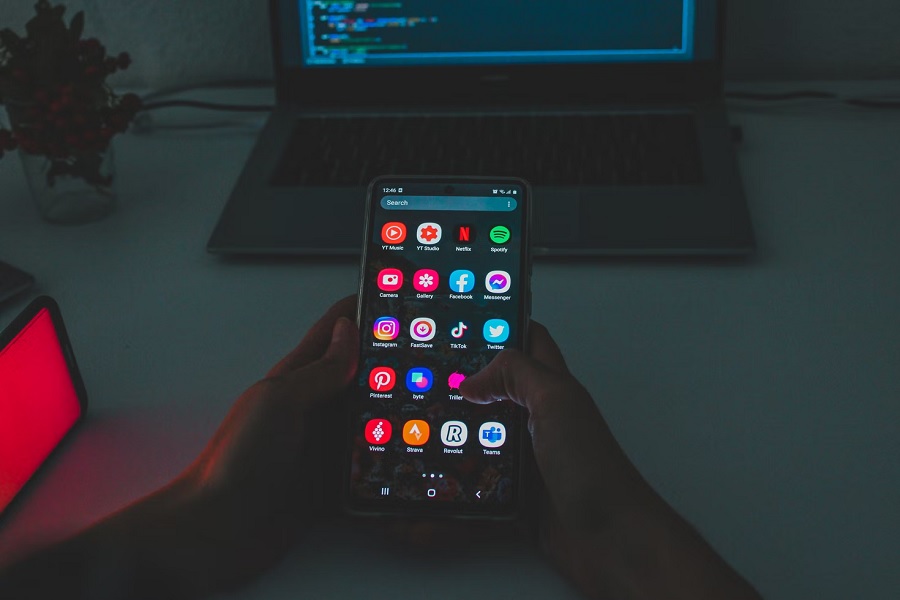
Smartphones, and the mobile apps that come with them, have sparked discussions on how technology has affected people’s mental health. And Google announced it is partnering with researchers from the University of Oregon in a new study to learn more about the impact of smartphones on “digital wellbeing.”
The collaboration was announced on Tuesday in a blog post by Dr. Nicholas Allen, a professor of psychology and director of the university’s Center for Digital Mental Health. Dr. Allen noted that the study will be an expansion of their work and will utilize the Google Health Studies tools to reach out to a “large representative sample.”
“We urgently need high-quality research to identify which use patterns are associated with benefits versus risks, and who is likely to experience harmful versus beneficial outcomes,” Dr. Allen wrote. “Answering these questions is necessary so that the research community and technology industry can pursue evidence-based product design, education, and policy aimed at maximizing benefits and minimizing risks.”
This is obviously not the first research to focus on how smartphones and other modern technologies have impacted people’s mental health and overall wellbeing. But Dr. Allen said other studies primarily depended on participants answering self-reported questionnaires that tend to produce “heavily subjective” results.
For this study, the researchers will use “passive and continuous sensing technology.” Dr. Allen added that they are also going to use participants’ phones to determine the link between their smartphone use and wellbeing, which may include screen time and sleep data. Aside from using Google Health Studies, participants can also include data from their Fitbit devices, such as information on their daily step count and other physical activities.
Aside from new methodologies, Dr. Allen noted that it is important to include data from participants who have been “historically underrepresented” in these kinds of studies. Interested individuals can download Google Health Studies from Play Store, and they can sign up for the research starting Friday, May 27.
However, the Google research will only accommodate adults living in the United States who are using Android phones. Participants also need to be able to accomplish daily activities without help from others. Dr. Allen assured potential participants that data collected from this study will not be sold or used for advertising.
Photo by Árpád Czapp on Unsplash













