


 Aker BP Q1 Profit Jumps on Higher Oil Prices and Asset Reversal
  Philips Reaffirms 2026 Outlook After Strong Q1 Sales and Margin Beat
  Hua Hong Semiconductor Stock Surges to Multi-Year High Amid AI Boom
  China Banks Halt New Loans to Sanctioned Refineries Amid U.S.-Iran Oil Crackdown
  Nike Tariff Refund Lawsuit Sparks Consumer Backlash Over Price Increases
  Infineon Raises 2026 Outlook as AI Data Center Chip Demand Surges
  Armani Group Eyes Strategic Stake Sale to Luxury Giants
  UOB Q1 Profit Meets Expectations as Loan Growth Offsets Lower Interest Rates
  Coinbase Q1 2026 Earnings Miss Sends COIN Stock Lower Amid Crypto Market Slump
  Broadcom Eyes $35 Billion AI Chip Financing Deal With Apollo and Blackstone
  AI-Driven Inflation Raises U.S. Consumer Prices, Goldman Sachs Says
  Dell Stock Hits Record High After Trump Endorsement, AI Server Demand Fuels Rally
  Morgan Stanley Bets on Optical Component Stocks in Greater China Tech Sector
  AWS Data Center Overheating Disrupts Cloud Services in Northern Virginia
  Lufthansa Q1 Loss Narrows as Strong Summer Travel Demand Boosts Outlook
  OCBC Q1 Profit Rises 5% on Strong Wealth Management and Non-Interest Income


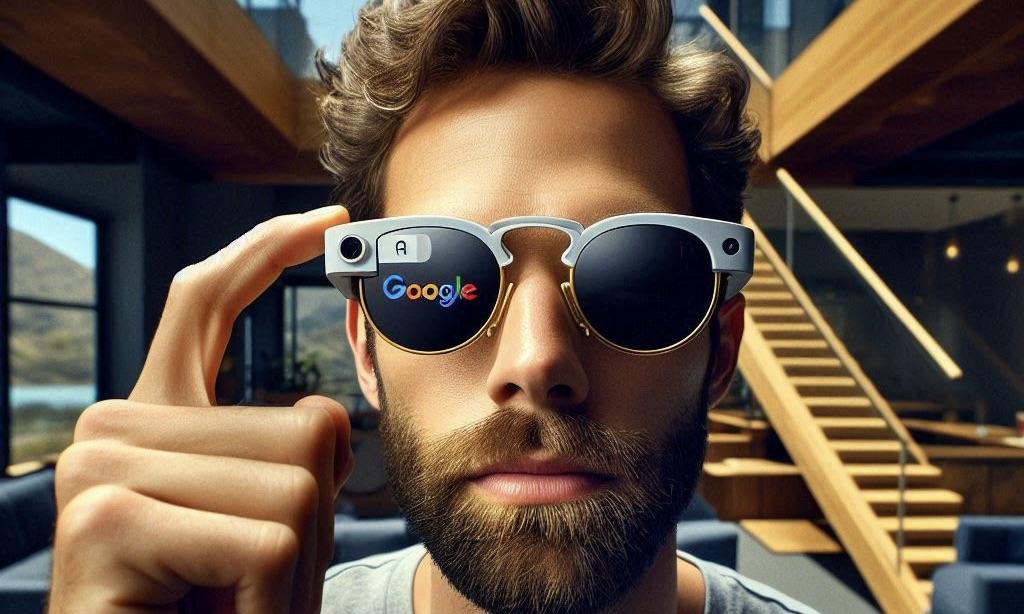
Google is trying to steal the Ray-Ban partnership from Meta as smart glasses finally gain traction. EssilorLuxottica reports high demand for the latest Ray-Ban Meta eyewear, raising questions about the future of this innovative technology.
Meta Eyes Billion-Dollar Stake in EssilorLuxottica Amid Google’s Bid for Ray-Ban Partnership
Meta's potential investment of billions to acquire approximately five percent of EssilorLuxottica, the €88 billion European eyewear company, is a significant move. This collaboration, which has already seen two generations of Ray-Ban intelligent spectacles, holds promise for the future of innovative eyewear technology. The ongoing negotiations, as reported by the Financial Times and other publications, indicate a positive trajectory, with Meta likely to invest. This investment can potentially significantly shape the future of intelligent eyewear technology.
However, Meta is one of many major technology companies attempting to establish a closer relationship with EssilorLuxottica. According to multiple sources, Google recently approached the company's leadership regarding integrating its Gemini AI assistant into future smart eyewear. This prospective action to exclude Meta from the high-profile partnership may contribute to the substantial investment Mark Zuckerberg is preparing to make. However, there are additional factors to take into account.
A European fashion and retail conglomerate, EssilorLuxottica is not a Silicon Valley company with investors with a risk-taking mentality. According to The Verge, EssilorLuxottica's profit margin has been adversely affected for an extended period by a combination of global inflation and increased expenses. The company's stock price has only increased by approximately 7 percent in the past year, below the average growth rate of its European blue-chip equities peer group.
Smart Eyewear Gains Traction: Ray-Ban Meta Sees High Demand Amid Technological Advancements
A new technology occasionally arises, rapidly converting consumers before they are fully aware of the change. The shift's momentum, particularly in the context of smartphones, was unavoidable even though it did not occur instantaneously. Since then, other mobile innovations, such as devices, have had an impact but have yet to become ubiquitous.
One of the most challenging tasks in the tech industry has been convincing consumers to adopt smart eyewear. Despite the substantial obstacles numerous prominent organizations face, there is currently positive news regarding the expansion of this frequently maligned sector. This positive development, amidst the challenges, is a testament to the resilience and innovation of the companies involved.
Google Glass ignited a severe discussion about the potential utility of modern smart eyewear over a decade ago, but it was commercially terminated due to widespread societal opposition. However, intelligent spectacles resembling traditional sunglasses, rather than those that evoke Star Trek imagery, have recently gained popularity. According to Reuters, EssilorLuxottica has disclosed that the most recent iteration of Ray-Ban Meta smart eyewear is in high demand.
The partnership between Ray-Ban and Meta commenced three years ago with the introduction of Ray-Ban Stories, which was seen as a direct response to Snapchat Spectacles. Ray-Ban's spectacles, as are their competitors, are not equipped with their display. A few years later, the intelligent spectacles were refreshed, removing the "Stories" name, installing state-of-the-art silicon optimized for AI capabilities, and upgrading to 12MP cameras. The CEO of EssilorLuxottica stated that the new generation sold more units in a few months than the original Stories did in their entire two-year availability. This indicates that consumers had anxiously anticipated these enhancements.
Despite the absence of specific figures, Meta and Essilor Luxottica's interest in the intelligent eyewear trend indicates this technology's potential. The primary factor driving this trend, whether it's the substantially more capable camera package or other features, raises intriguing questions. Meta's anticipation of the significant impact of AI capabilities, including image identification and translation tools, on purchasing decisions is a compelling aspect. The company's readiness to fully utilize the potential of intelligent spectacles in Europe, pending AI-related legislation, promises fascinating developments in the future.







