


 Huawei, Chinese AI Chipmakers Raise Prices as HBM Shortage Bites
  Google Revamps EU Search Results to Meet DMA Rules
  Japan, US Target AI and Chips in $550 Billion Investment Push
  Adobe Names Anil Chakravarthy CEO as AI Push Accelerates
  Nvidia-Groq AI Chip Deal Faces U.S. Antitrust Probe
  Deutsche Telekom Shares Rise as Elliott Pushes Against T-Mobile Merger
  Australia Defends Social Media Algorithm Law Amid US Concerns
  OpenAI Targets Specialized Industries as Enterprise AI Demand Grows
  Nvidia CEO Says AGI Has Arrived With OpenAI GPT-6 Astra
  SpaceX Turbine Push Unlikely to Threaten Howmet, Bernstein Says
  Kioxia Rules Out SK Hynix Manufacturing Partnership
  Australia Plans New Rules Giving Users Control Over Social Media Feeds
  Nvidia Plans 2GW Australia AI Data Center Expansion by 2027
  Thomson Reuters C-Track Cyberattack Hits Courts Across U.S. and Canada
  Anthropic IPO Marketing Expected to Start in Mid-October
  South Korea, US Discuss Chip Investments Amid Tariff Plans


 Add as a preferred source on Google
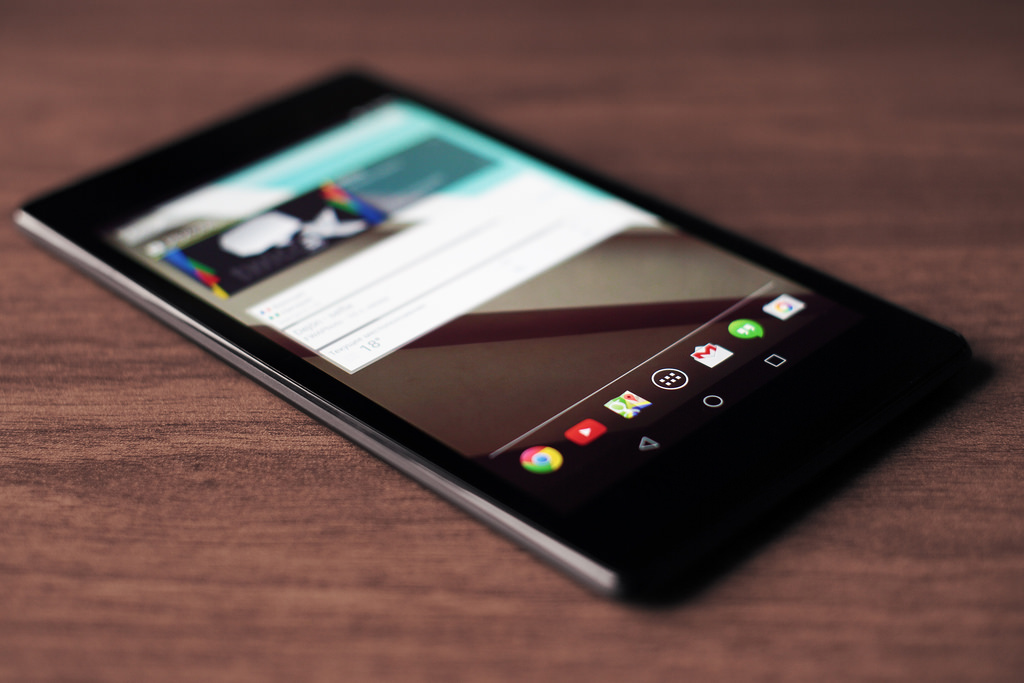
Google just unveiled several new hardware offerings today, including the subject of the event’s massive marketing campaign; the “Pixel” smartphones. The new goodies certainly put the tech giant on the same level as Apple and Samsung in terms of the products and features. However, it’s also clear that Google still has a long way to go to prove its commitment to becoming an actual hardware company.
The complete set of products that Google revealed includes the “Pixel” and “Pixel XL” smartphones, the “Daydream View” VR Headset, the “Google Home” speaker equipped with the “Google Assistant” AI, and the wireless connection extender called “Google Wifi.” This is an impressive lineup, but all of them are staggeringly similar to other technologies that already exist in the market, The Verge notes.
These similarities extend far beyond the simple categorization of smartphones and speakers as well. The “Pixel” devices are remarkably close to the “iPhone 7,” for example, particularly with regards to the integration of hardware and software. Perhaps the most obvious instance of Google simply following the trend instead of leading is “Google Home,” which is Amazon’s “Echo” device with a different skin; AI companion and all.
With that said, Google’s new set of hardware are impressive in terms of specs and features, there’s no denying that. What has many feeling disappointed is the tech company’s apparent reluctance to really invest in the market, as Business Insider reports.
The “Pixel” phones are clearly a culmination of Google’s technical expertise, but the company is not manufacturing the device. That job was given to HTC, which is an actual phone maker.
There’s also the matter of retail tactics, which is considerably lacking on the tech giant’s part. Right now, customers can only buy the “Pixel” and “Pixel XL” online or via partners such as Best Buy or Walmart. In comparison, Apple and Samsung have their own dedicated stores worldwide. Even Amazon is planning on opening its own kiosks in the near future.
If Google really wants to carve a huge piece of the hardware pie for itself, it will need to show more commitment. Becoming a leader instead of just being a follower in terms of smartphone innovation would be an encouraging start.







