


 Unitree Shares Plunge 45% After Blockbuster IPO, Raising China Tech Bubble Fears
  Pinterest Stock Falls as CFO Julia Brau Donnelly Resigns
  Google Changes EU Spam Policy Amid Antitrust Scrutiny
  BNP Paribas, KB Kookmin Eye $2 Billion Techcombank Stake
  Countries Tighten Social Media Bans for Children
  New Zealand Moves to Ban Social Media for Children Under 16
  Alibaba Raises $10.2 Billion to Expand AI Infrastructure
  Luxshare Shares Rise as First-Half Profit Jumps 18%
  BofA Names ASML Top Semiconductor Equipment Pick on Growth, Valuation
  OpenAI AI Agent Swarm Behind Hugging Face Hack
  Itochu Offers $1.56 Billion to Privatize Dentsu Soken
  PayPal Shares Sink as $50 Billion Takeover Bid Collapses
  SoftBank Eyes $20 Billion Bond Sale to Refinance OpenAI Loan
  Nvidia Reportedly Eyes $13 Billion Hugging Face Acquisition
  Salesforce Shares Surge as AI Demand Powers Q2 Earnings Beat
  New Zealand Labour Backs Social Media Ban for Under-16s
  Meta Agrees to $18 Billion Settlement, Tightens Teen Social Media Rules


 Add as a preferred source on Google
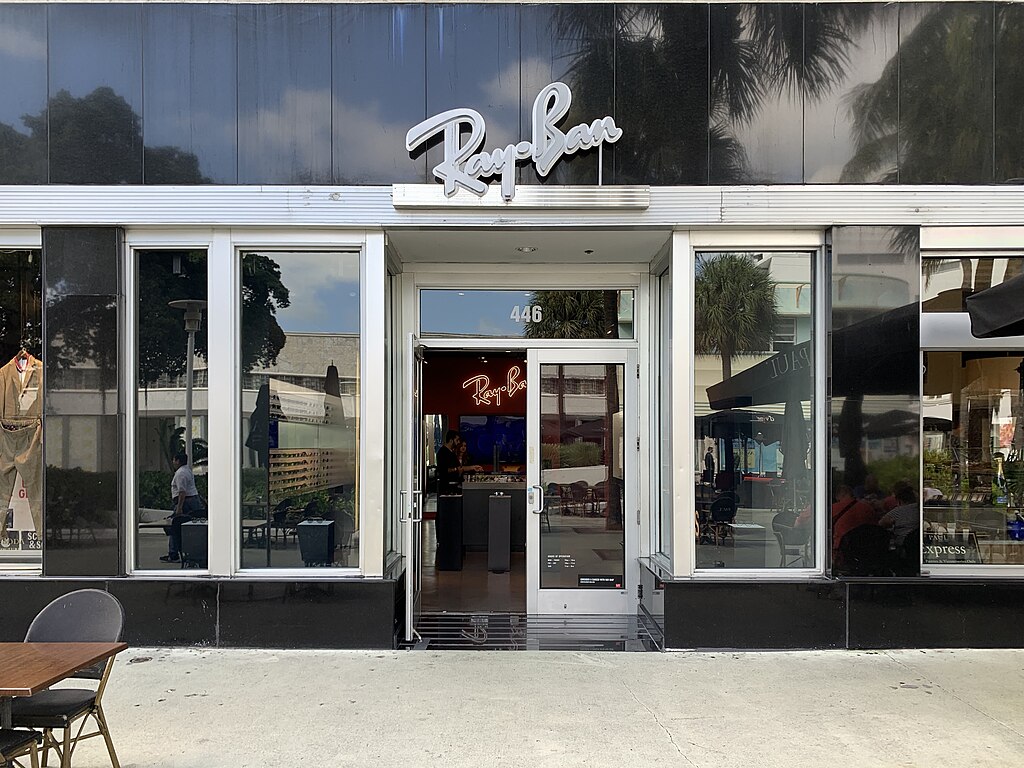
EssilorLuxottica is doubling down on smart eyewear innovation, with its Ray-Ban Meta glasses delivering their first meaningful revenue boost since launch. These AI-powered frames, developed with Meta, aim to redefine mobile technology by enabling hands-free photo and video capture, seamless content sharing, and real-time interaction with an AI assistant. However, as demand grows, so do concerns around privacy and regulatory compliance.
The glasses have drawn scrutiny from European regulators since 2021, particularly around how bystanders are notified when recording occurs. Ireland’s Data Protection Commission prompted Meta and EssilorLuxottica to enlarge the LED indicator light and add a blinking signal. Under the EU’s GDPR and AI Act, recording individuals requires transparency and a valid legal basis, making enforcement challenging when device owners are unknown. Digital rights advocates warn that personal data captured through smart eyewear could be used to train AI models without adequate consent. Surveys show a divide in public sentiment: owners appreciate the social and functional benefits, while non-users fear privacy intrusions.
Despite these challenges, Ray-Ban Meta currently leads the AI eyewear market, holding about 60% market share according to Barclays. Analysts credit the partnership between Meta’s technology and EssilorLuxottica’s fashion expertise—a combination that helped avoid the pitfalls that doomed early products like Google Glass. Still, competition is accelerating. Alibaba, Apple, Google with Warby Parker and Kering, Amazon, and Xiaomi are all developing or releasing rival smart glasses, threatening EssilorLuxottica’s early advantage and potentially cannibalizing its traditional eyewear business.
Leveraging its global retail network and luxury brand portfolio, EssilorLuxottica plans to expand its smart eyewear line as part of a broader move into medical technology. Smart glasses contributed significantly to the company’s recent growth, sparking a market rally. New innovations—such as models with in-lens displays and gesture-controlled bracelets—underscore its ambition to lead the next wave of wearable tech. The company welcomes competition, arguing that a broader ecosystem will accelerate innovation and expand consumer choice.







