


 Nvidia, ByteDance, and the U.S.-China AI Chip Standoff Over H200 Exports
  Anthropic Eyes $350 Billion Valuation as AI Funding and Share Sale Accelerate
  Amazon Stock Rebounds After Earnings as $200B Capex Plan Sparks AI Spending Debate
  Palantir Stock Jumps After Strong Q4 Earnings Beat and Upbeat 2026 Revenue Forecast
  Nvidia Nears $20 Billion OpenAI Investment as AI Funding Race Intensifies
  SpaceX Reports $8 Billion Profit as IPO Plans and Starlink Growth Fuel Valuation Buzz
  Instagram Outage Disrupts Thousands of U.S. Users
  SoftBank Shares Slide After Arm Earnings Miss Fuels Tech Stock Sell-Off
  Elon Musk’s SpaceX Acquires xAI in Historic Deal Uniting Space and Artificial Intelligence
  Sam Altman Reaffirms OpenAI’s Long-Term Commitment to NVIDIA Amid Chip Report
  SpaceX Prioritizes Moon Mission Before Mars as Starship Development Accelerates
  SoftBank and Intel Partner to Develop Next-Generation Memory Chips for AI Data Centers
  Sony Q3 Profit Jumps on Gaming and Image Sensors, Full-Year Outlook Raised
  Global PC Makers Eye Chinese Memory Chip Suppliers Amid Ongoing Supply Crunch
  TSMC Eyes 3nm Chip Production in Japan with $17 Billion Kumamoto Investment
  Baidu Approves $5 Billion Share Buyback and Plans First-Ever Dividend in 2026


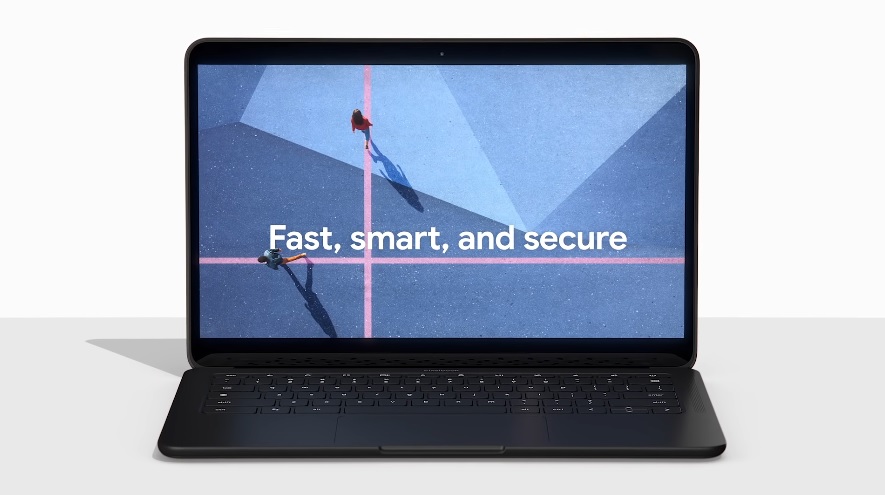
The shipment of ordered Pixelbook Go units started on Monday. But Chromebook fans who need a beefier RAM capacity than the currently available 8 GB configuration might want to wait before buying Google’s newest Chromebook offering.
Google Pixelbook Go with 16GB RAM powered by Intel Core i5 and i7 arrives at a later date
At this point, people can now order the Pixelbook Go through the Google Store online site. It should be noted, though, that the configurations ready for shipping are the ones that only have 8GB RAM. The base model is powered by a Core m3 processor with 64GB of storage for $649.
Meanwhile, Google has confirmed that Pixelbook Go variants with 16GB RAM capacities will be released. At the Google Store, customers can now sign up to be waitlisted for the Pixelbook Go with Core i5, 16GB RAM, and 128GB storage. The website also promises that a Core i7 configuration with 16GB RAM is “coming soon,” but no specific release dates were provided.
However, if customers would head purchase the Pixelbook Go through Amazon, they can directly pre-order the Chromebook with the higher RAM specs. The 16GB RAM variant with Core i5 and 128GB storage retails for $999. The difference here is that Amazon indicates the Chromebook would be delivered sometime between Nov. 23 and Dec. 14.
This could mean that the Pixelbook Go with higher specs would be available before 2019 ends. Interestingly, the Pixelbook Go with Core i7 and 16GB RAM is not yet available on Amazon, and Google has not opened the waitlist for this product. It is then possible that this configuration might not be released until 2020.
Google Pixelbook Go specs: Cheaper Chromebook offers several better features than Pixelbook
In many ways, the Pixelbook Go is placed behind the earlier released Pixelbook. But it should be noted that the newer Chromebook offers better specs in some areas. Since the Pixelbook Go is announced and released this year, that means it is powered by eight-generation Intel Core processors.
Pixelbook Go is also marketed to users who are working on-the-go most of the time. This explains why it was designed to be a little lighter than the Pixelbook. However, the newer Chromebook does not have some of the flashy features its predecessor has like the 360-degree hinge that made its 4-in-1 design possible.













