


 SoftBank Plans Record $6.3 Billion Bond Sale to Fund OpenAI Investments
  Countries Tighten Social Media Bans for Children
  Nvidia Eyes Perplexity Investment at $30 Billion Valuation
  Nvidia Options Price in $280 Billion Earnings Swing
  Meta Agrees to $18 Billion Settlement, Tightens Teen Social Media Rules
  New Zealand Labour Backs Social Media Ban for Under-16s
  PayPal Shares Sink as $50 Billion Takeover Bid Collapses
  HP Stock Drops 9% Despite Q3 Earnings Beat and Raised 2026 Outlook
  Pinterest Stock Falls as CFO Julia Brau Donnelly Resigns
  Google Changes EU Spam Policy Amid Antitrust Scrutiny
  New Zealand Moves to Ban Social Media for Children Under 16
  Xiaomi Unveils Xring O3 Chip for Flagship Foldable Phone
  SK Hynix Shares Fall as Workers Reject Wage Deal
  Samsung Shares Tumble 8% as $79 Billion Return Plan Disappoints
  Unitree Shares Plunge 45% After Blockbuster IPO, Raising China Tech Bubble Fears


 Add as a preferred source on Google
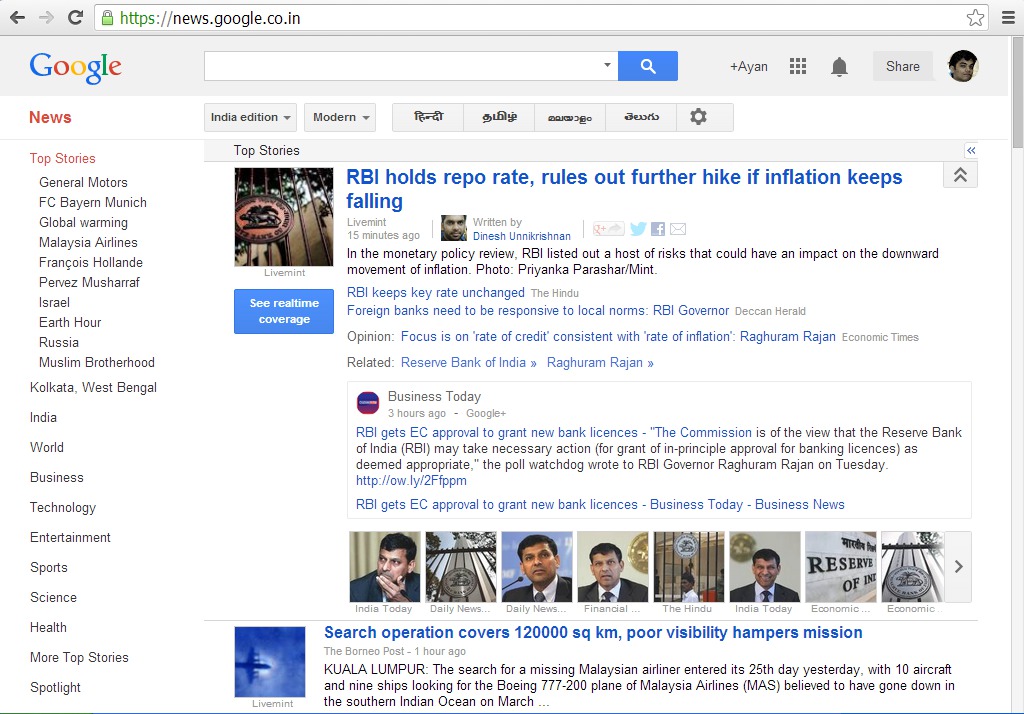
For over a decade, Google has been contending with major publications on the matter of free content. Now, the tech firm is scuttling one of its search engine rules called “first click free,” which is meant to provide users a few free contents before getting slammed by a paywall. This will help bigger publishers draw in revenue without having to give articles or news coverage away for free.
Many of the bigger publishing companies these days survive via subscription fees, ranging from weekly to yearly. For over a decade, readers were able to skirt some of the responsibilities of paying these fees by simply searching for headlines via Google, The Washington Post reports. After a while, users inevitably run into a paywall once they have used up their free articles.
During this time, publishers were at the mercy of Google, which determined how many free articles should be provided in order to gain the benefits of its massive search engine. With these recent changes, the publishing companies will now get to decide how many free articles to give away.
As for how this will affect the readers, many of them will not likely notice the changes for a while. Only those who regularly visit particular news outlets will be able to tell that the subscription format has changed.
On top of giving publishers more control over their content, Google will also apparently provide them with new online payment tools, Bloomberg reports. This will ensure that they will be able to offer transparent and unbiased content, which would not normally be the case when relying on advertisers.
The majority of the focus in talks between Google and publication firms, however, is the matter of speeding up load times. With ever increasing internet speeds, there is really no excuse to subject users to long hang times.







