


 SEB Q2 Profit Rises on Strong Lending, Record Fee Income, Announces New Share Buyback
  Apple Intelligence Cleared for China as Alibaba and Baidu AI Power iPhone Features
  Alibaba Stock Jumps as China Approves Apple Intelligence Powered by Qwen AI
  Uber to Acquire Delivery Hero in $14.8 Billion Deal to Expand Global Food Delivery Business
  SK Hynix Stock Soars as AI Memory Demand Outlook Fuels Chip Rally
  Airbus Signs Cloud Deal With Scaleway to Power Secure AI and Defense Applications
  Sodexo Unveils Shift & Grow 2030 Strategy, Targets Over 5% Revenue Growth by Fiscal 2030
  BHP Q4 Iron Ore Output Rebounds as Copper Prices Boost Revenue
  Eli Lilly Eyes AtaiBeckley Acquisition to Expand Psychedelic Mental Health Pipeline
  xAI Sues Man for Allegedly Using Grok to Generate AI Child Abuse Deepfakes
  Stripe, Advent Offer Over $53 Billion to Acquire PayPal in Major Fintech Deal
  Stripe, Advent Offer $53 Billion Deal to Acquire PayPal: Reuters
  Jamie Dimon Warns Anthropic's Mythos AI Poses National Security Risks
  BHP Faces Major Port Hedland Strike as Labor Talks Stall Ahead of Production Report
  Paramount-Warner Bros. Discovery Merger Faces Lawsuit From 12 States
  DeepSeek Eyes China IPO as AI Startup Seeks $71 Billion Valuation in New Funding Round
  Nvidia Partners With Fanuc and Yaskawa to Accelerate AI Robotics in Japan


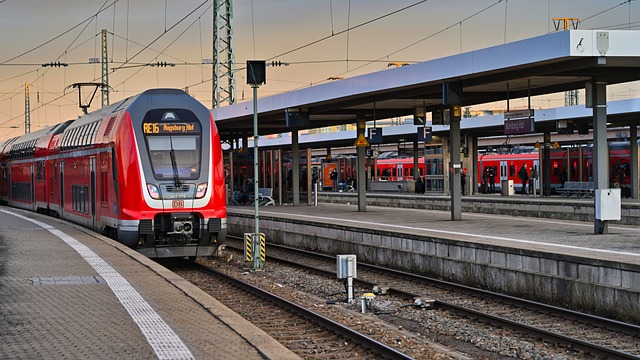
In today's interconnected world, global economic trends have a profound impact on local services, this includes of course transportation. This relationship is particularly evident in the car rental industry, where shifts in consumer behavior, technological advancements, and economic factors are reshaping the landscape. Let's explore how these global trends are playing out at the local level, with a focus on the Netherlands.
The rise of the sharing economy in transportation
The sharing economy has revolutionized various sectors, and transportation is no exception. Ride-sharing services and peer-to-peer car rental platforms have disrupted traditional business models, offering consumers more flexible and often more affordable options to move from one place to another. This global trend has taken root in the Netherlands, where environmentally conscious consumers are increasingly embracing shared mobility solutions in their daily commutes.
Economic factors influencing car rental services
Several economic factors are shaping the car rental industry worldwide, such as:
-
Fluctuating fuel prices
-
Changes in tourism patterns
-
Shifts in business travel due to remote work trends
-
Economic uncertainty and its impact on consumer spending
These factors have led to changes in pricing strategies, fleet management, and service offerings in the car rental sector, including in Dutch cities.
Case study: Car rental trends in Dutch cities
The Netherlands, known for its innovative approach to transportation, provides an interesting case study of how global trends manifest in local markets. And there are two cities in particular that can offer us valuable insights into the evolving landscape of car rental services.
Spotlight on Amersfoort
Amersfoort, a historic city in the heart of the Netherlands, has seen a growing demand for flexible transportation options due to an increased number of tourists seeking an alternative experience to Amsterdam. If you're looking to rent a car in Amersfoort (in Dutch: auto huren Amersfoort), you'll find a range of services reflecting global trends. Local providers have adapted to consumer preferences by offering electric and hybrid vehicles, implementing digital booking systems, and providing flexible rental periods to cater to both tourists and residents.
Spotlight on Zeist
Zeist is another Dutch city embracing transportation innovations and presents us with a similar picture. Those seeking to rent a car in Zeist (in Dutch: auto huren Zeist) will encounter services that mirror global shifts. Car rental companies in Zeist have responded to the growing demand for sustainable options by expanding their eco-friendly fleets. Some of them have also introduced car-sharing programs, allowing residents to access vehicles on an as-needed basis, aligning with the global trend towards more flexible and sustainable transportation solutions.
The future of transportation services in a globalized economy
As we look to the future of transportation, several trends are likely to shape transportation services globally and locally:
-
Increased electrification of rental fleets
-
Integration of car rental services with other modes of transportation
-
Advanced telematics and IoT technologies for improved fleet management
-
Personalized services based on data analytics and AI
-
Continued growth of peer-to-peer car sharing platforms
These trends will likely continue to influence car rental services in Dutch cities like Amersfoort and Zeist, as well as in other locations around the world. As the industry evolves, consumers can expect more sustainable, flexible, and technologically advanced transportation options.
In short, the interplay between global economic trends and local transportation services exemplifies the interconnectedness of our modern world. By examining specific examples, such as car rental services in Dutch cities, we can gain valuable insights into how global shifts manifest at the local level. As consumers and businesses alike navigate this changing landscape, adaptability and innovation will be key to meeting evolving transportation needs in an increasingly globalized economy.
This article does not necessarily reflect the opinions of the editors or management of EconoTimes







