


 Oil Prices Plunge Over 6% as Middle East Ceasefire Hopes Ease Supply Fears
  Iran-Israel Missile Strikes Continue Amid Mixed Signals on U.S.-Iran Diplomacy
  UK Consumer Confidence Weakens Amid Middle East Conflict and Rising Living Costs
  Asian Currencies Stay Muted as Dollar Holds Firm Amid Iran Uncertainty
  Australia-EU Free Trade Deal Signed After Years of Negotiations
  WTO Reform Talks Begin in Cameroon Amid Global Trade Tensions
  Gold Prices Surge on U.S.-Iran Ceasefire Reports
  Bank of Japan Unveils New Inflation Gauge to Support Case for Future Rate Hikes
  Australia's Inflation Eases in February but Core Pressures Persist
  Middle East War Rattles Global Markets as Oil Tops $100 and Dollar Surges
  Gold Prices Climb as Middle East Ceasefire Talks Stir Market Optimism
  Oil Prices Rebound as Iran Denies U.S. Talks Amid Gulf War Supply Fears
  Asian Markets Rally as Oil Prices Tumble and Middle East Peace Hopes Emerge
  Japan Eyes Oil Futures Intervention to Stabilize Yen Amid Middle East Crisis
  Currency Markets Show Caution Amid U.S.-Iran Negotiations
  Japan's Private Sector Growth Slows in March Amid Rising Costs and Middle East Uncertainty


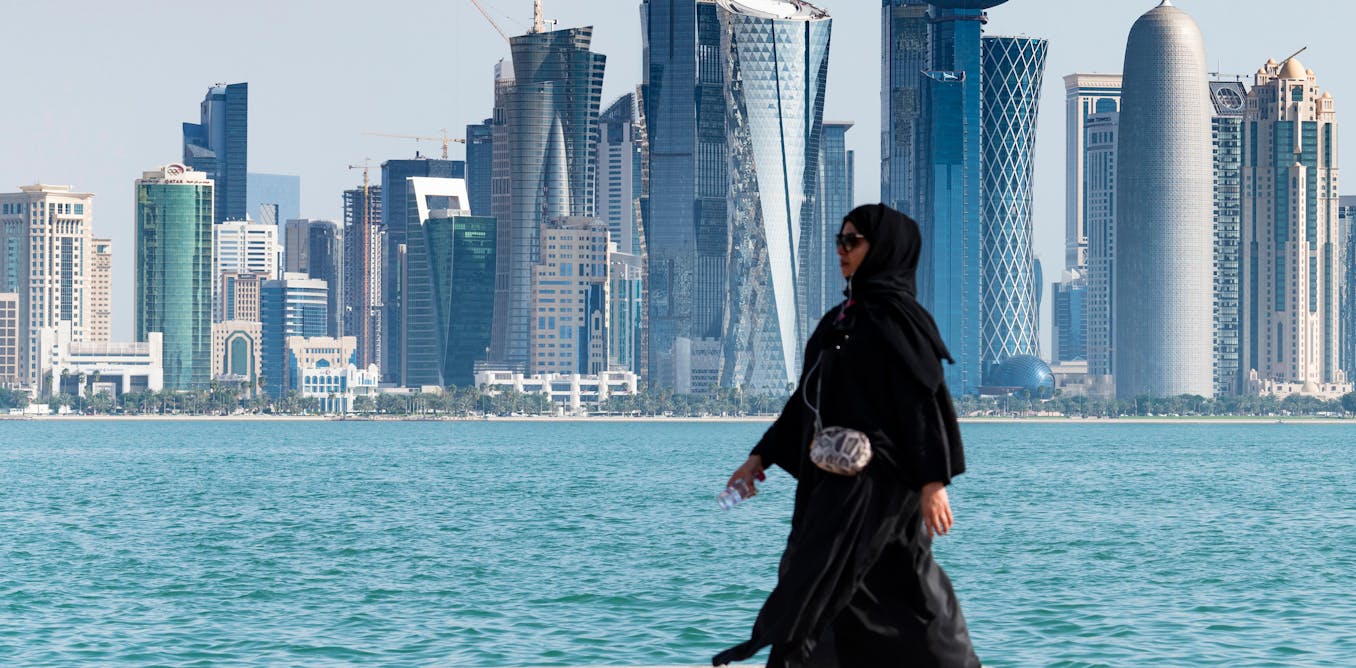
Qatar's economic outlook for 2026 has taken a concerning turn as escalating geopolitical tensions threaten to destabilize the Gulf nation's core revenue streams. According to Dr. Andreas Krieg, a leading regional analyst, Qatar's GDP could shrink by up to 13% this year — a dramatic reversal from earlier forecasts that had anticipated growth driven by liquefied natural gas (LNG) expansion.
The root of this financial pressure lies in ongoing regional conflict, which has triggered temporary shutdowns at critical energy infrastructure. Prolonged disruptions to export routes through the Strait of Hormuz remain a key risk factor. While major credit rating agencies have held their stable assessments for now, they caution that continued export interruptions could significantly erode Qatar's fiscal performance throughout 2026.
To close potential budget gaps, Doha may be compelled to draw on the resources of the Qatar Investment Authority (QIA), one of the world's most influential sovereign wealth funds. This could mean accelerating asset sales, including prime real estate holdings and banking stakes across Europe and the United States. Such a scenario would carry substantial ripple effects for Western financial markets, where Qatari capital has historically played a stabilizing role in institutional investment.
Any large-scale divestment from high-value assets could trigger a broader repricing across real estate and banking sectors, sending shockwaves through markets already navigating macroeconomic uncertainty. Global investors are watching closely, as QIA's footprint spans some of the most strategically significant assets in the Western world.
Qatar's capacity to weather this storm will ultimately hinge on its ability to diversify its non-oil economy and attract fresh foreign direct investment despite the current climate of uncertainty. With LNG expansion plans now overshadowed by conflict risk, the Gulf state faces a pivotal test of economic resilience in 2026.













