


 Trump Says “Very Good Talks” Underway on Russia-Ukraine War as Peace Efforts Continue
  Japan’s Prime Minister Sanae Takaichi Secures Historic Election Win, Shaking Markets and Regional Politics
  Trump Backs Nexstar–Tegna Merger Amid Shifting U.S. Media Landscape
  Bangladesh Election 2026: A Turning Point After Years of Political Suppression
  New York Legalizes Medical Aid in Dying for Terminally Ill Patients
  Trump Administration Appeals Court Order to Release Hudson Tunnel Project Funding
  Pentagon Ends Military Education Programs With Harvard University
  U.S. Lawmakers to Review Unredacted Jeffrey Epstein DOJ Files Starting Monday
  Ohio Man Indicted for Alleged Threat Against Vice President JD Vance, Faces Additional Federal Charges
  Nicaragua Ends Visa-Free Entry for Cubans, Disrupting Key Migration Route to the U.S.
  Japan Election 2026: Sanae Takaichi Poised for Landslide Win Despite Record Snowfall
  Anutin’s Bhumjaithai Party Wins Thai Election, Signals Shift Toward Political Stability
  Netanyahu to Meet Trump in Washington as Iran Nuclear Talks Intensify
  Bosnian Serb Presidential Rerun Confirms Victory for Dodik Ally Amid Allegations of Irregularities
  Federal Judge Restores Funding for Gateway Rail Tunnel Project
  Trump Lifts 25% Tariff on Indian Goods in Strategic U.S.–India Trade and Energy Deal


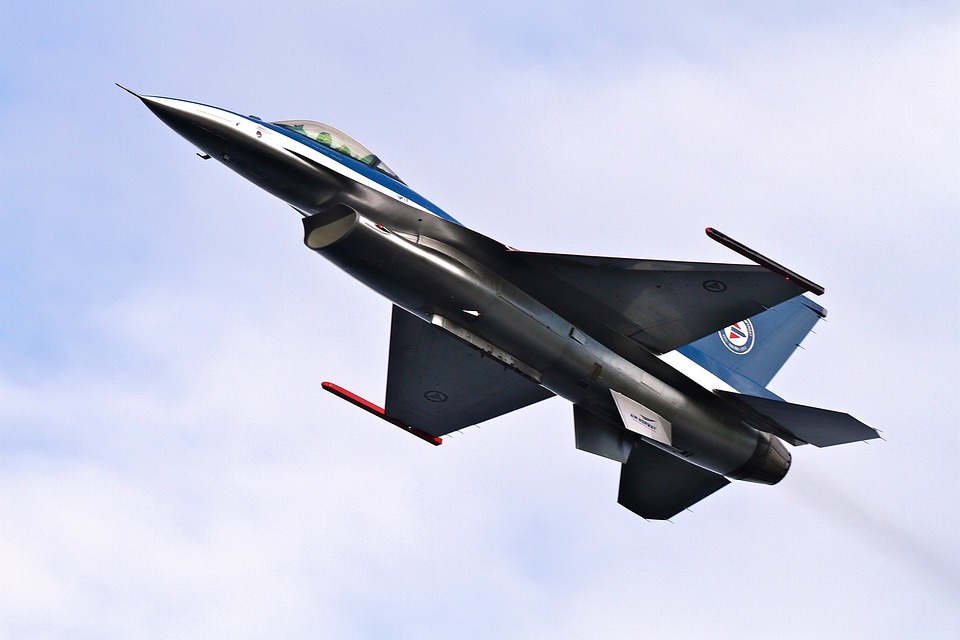
Germany and several other NATO partners have agreed to jointly procure air defense systems for Ukraine. The need for air defense systems follows the recent air strikes Russia carried out across civilian targets earlier this week.
During a ceremony at the NATO headquarters in Brussels, German defense minister Christine Lambrecht said Berlin and 14 other countries have agreed to procure air defense systems for Ukraine in a signed letter of intent. Estonia was not part of the event but also agreed to be part of the initiative called the “European Sky Shield.”
The initiative makes up half the NATO member countries, including Germany, the United Kingdom, Slovakia, Norway, Latvia, Hungary, Bulgaria, Belgium, Czechia, Finland, Lithuania, the Netherlands, Romania, and Slovenia.
“With this initiative, we are living up to our joint responsibility for security in Europe – by bundling our resources,” said Lambrecht, who also said that countries are seeking to take action as soon as possible on the first deals.
“We will work speedily on our first joint projects, the joint purchase of Patriot units is one of them as well as of the modern system IRIS-T,” Lambrecht told reporters, referring to the US Patriot units. IRIS-T is made by German defense firm Diehl.
The Patriot and IRIS-T units can cover the medium layer of air defense, and countries are also discussing obtaining air defense systems for the higher layer, such as the Israel-produced Arrow 3, along with short-range systems aimed to protect smaller areas or military convoys.
NATO Secretary-General Jens Stoltenberg said Wednesday that the circumstances surrounding the possibility of the alliance having to resort to nuclear weapons was “extremely remote” but added that there would be “severe consequences” should Russia resort to using nuclear weapons on Ukraine.
“We will not go into exactly how we will respond, but this will fundamentally change the nature of the conflict. It means that a very important line has been crossed,” said Stoltenberg, who explained that NATO’s nuclear deterrent aimed to preserve peace and prevent coercion against the allies, which is why the circumstances that the alliance would have to use nuclear weapons are “extremely remote.”













