


 Sodexo Unveils Shift & Grow 2030 Strategy, Targets Over 5% Revenue Growth by Fiscal 2030
  Mikron H1 2026 Sales Fall 5.9% as Automation Weakness Weighs on Profit
  Moonshot Launches Kimi K3, China's Largest Open-Source AI Model
  Trump Criticizes ABC, NBC and CNN for Limiting Coverage of Election Speech
  Eli Lilly Eyes AtaiBeckley Acquisition to Expand Psychedelic Mental Health Pipeline
  United Airlines Beats Q2 Earnings, Raises 2026 Profit Outlook Despite Higher Fuel Costs
  SpaceX Stock Falls Below IPO Price as Investors Weigh Losses and Lockup Expiry
  BHP Q4 Iron Ore Output Rebounds as Copper Prices Boost Revenue
  Volkswagen Launches €28,000 ID. Cross EV as Europe’s Electric Vehicle Demand Accelerates
  Uber to Acquire Delivery Hero in $14.8 Billion Deal to Expand Global Food Delivery Business
  UBS Boosts China Tech Bets, Adds Kuaishou and Meituan to Focus List
  NTSB Leads Investigation Into Ryanair Boeing 737 Engine Failure Over Greece
  NY Times Challenges Trump Administration Subpoenas Over Air Force One Report
  Netflix Stock Drops After Weak Q3 Outlook Overshadows Mixed Q2 Earnings
  GameStop Raises eBay Stake to 9.8% as Ryan Cohen Pushes $56 Billion Takeover Bid
  SpaceX Aborts Starship Test Flight as Engine Issue Delays Launch
  Sam Altman Admits OpenAI Missteps, Promises Major AI Comeback Focused on User Freedom


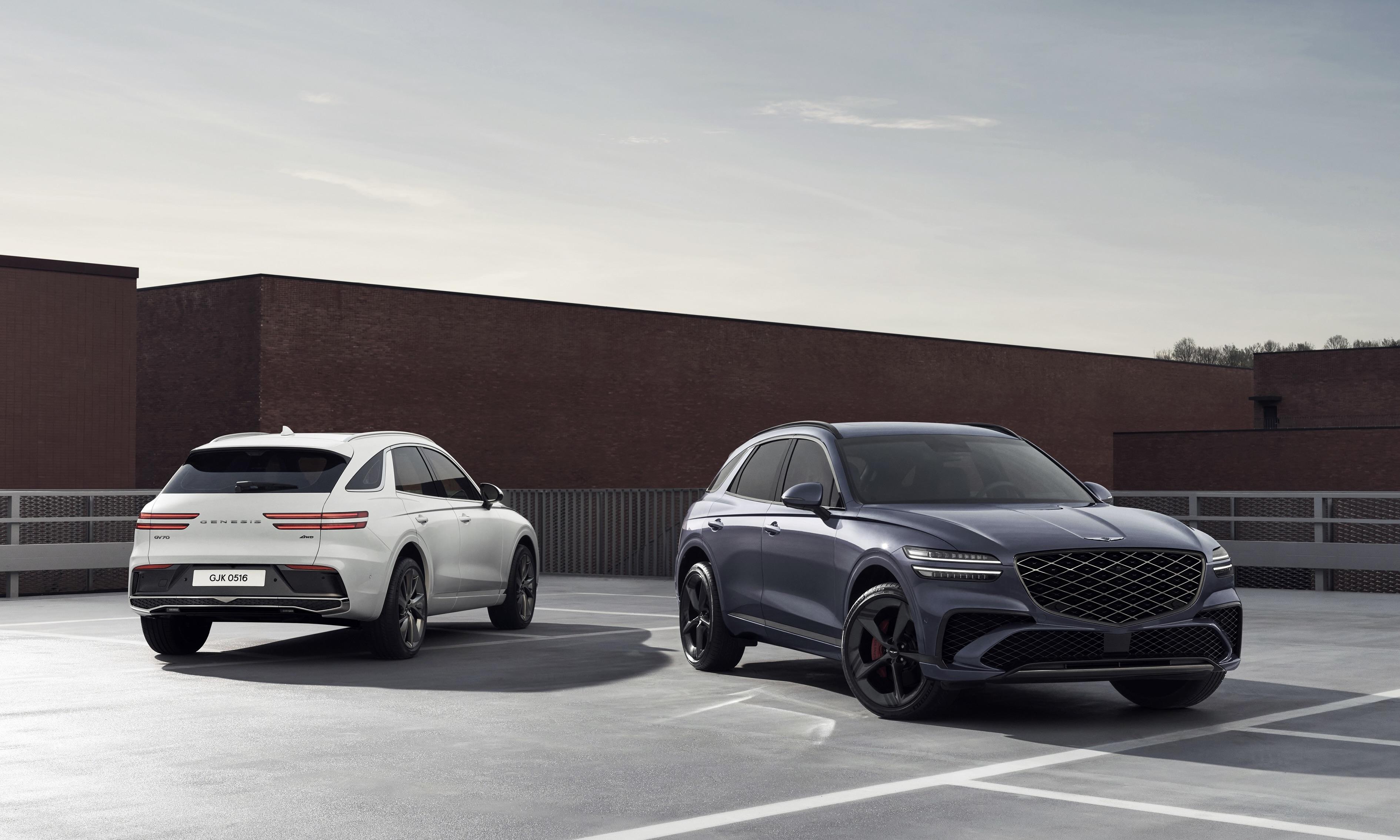
There's a notable shift in the luxury automotive market as Hyundai Motor Company's premium brand, Genesis, begins to draw customers away from traditional luxury car brands like Audi. This growing trend is supported by more than anecdotal evidence; concrete sales figures and market movements highlight the shifting dynamics within the industry.
Korea Bizwire reported that some imported car brands, feeling pressure from Genesis's market penetration, have been forced to scale back their operations in the domestic market. This includes closing showrooms and withdrawing from the market altogether, signaling a significant impact by Genesis on their sales.
Sales Figures Speak Volumes
The Korea Automobile Importers and Distributors Association (KAIDA) revealed that imported car sales fell 7.8% year-over-year from January to April to 76,143 units. In stark contrast, Genesis's sales surged 6% over the same period, reaching 45,554 units. This narrowing sales gap, from about 40,000 units a year ago to the 30,000 range, underscores Genesis's growing presence and threat to established imported brands.
Waning Momentum for Imported Cars
The imported car market, which saw rapid expansion in the 2010s, seems to have hit a plateau recently. For the first time in 2022, imported passenger cars accounted for more than 20% (20.1%) of the market share, but this figure dipped to 17.7% by April. Most imported carmakers are facing sharp declines in sales, except for Japanese brands, which have seen a resurgence thanks to their hybrid models.
Market Challenges and Strategic Adjustments
The strong U.S. dollar and the overall contraction of the domestic auto market have posed significant challenges for imported car operations, leading to cost-cutting measures such as dealership reductions.
Stellantis discontinued its French DS Automobiles brand in South Korea due to abysmal sales figures. Audi reduced its showrooms in Seoul from 12 to nine amid a 74.7% plunge in sales this year, mainly due to supply shortages.
A Call for Strategy Renewal
The landscape of luxury automobile sales in Korea is evolving, with Genesis capturing market share from traditional imported brands. Industry experts warn that without a shift in strategy, these brands may continue to lose ground to Genesis, which has recently enhanced its product appeal with the launch of the redesigned GV70, as per a press release.
Meanwhile, brands prioritizing the Korean market, like Mercedes-Benz and BMW, are stepping up investments, indicating that Korea is becoming an increasingly important battleground for luxury car manufacturers.
Photo: Genesis Newsroom







