


 US Stock Futures Steady as Nvidia Earnings and Iran Tensions Keep Investors on Edge
  Analog Devices Nears $1.5B Acquisition of AI Chip Firm Empower Semiconductor
  Why a ‘rip-off’ degree might be worth the money after all – research study
  Standard Chartered Targets Higher Profitability With Major Workforce Cuts
  Stuck in a creativity slump at work? Here are some surprising ways to get your spark back
  Nvidia Earnings in Focus as U.S. Stock Futures Hold Steady Amid Rising Treasury Yields
  Office design isn’t keeping up with post-COVID work styles - here’s what workers really want
  Japan Airlines Signs 10-Year Boeing 787 Maintenance Deal With GE Aerospace
  Dollar Slips as Bond Market Stabilizes Amid Iran Tensions and Fed Rate Hike Expectations
  Why financial hardship is more likely if you’re disabled or sick
  Nvidia Beats Earnings Expectations as AI Demand Drives Record Growth
  Disaster or digital spectacle? The dangers of using floods to create social media content
  Mistral AI Acquires Emmi AI to Expand Industrial AI Solutions in Europe
  Tencent Shares Jump 4% as AI Models Move Toward Paid Commercial Services
  Booked to travel through the Middle East? Here’s why you shouldn’t cancel your flight


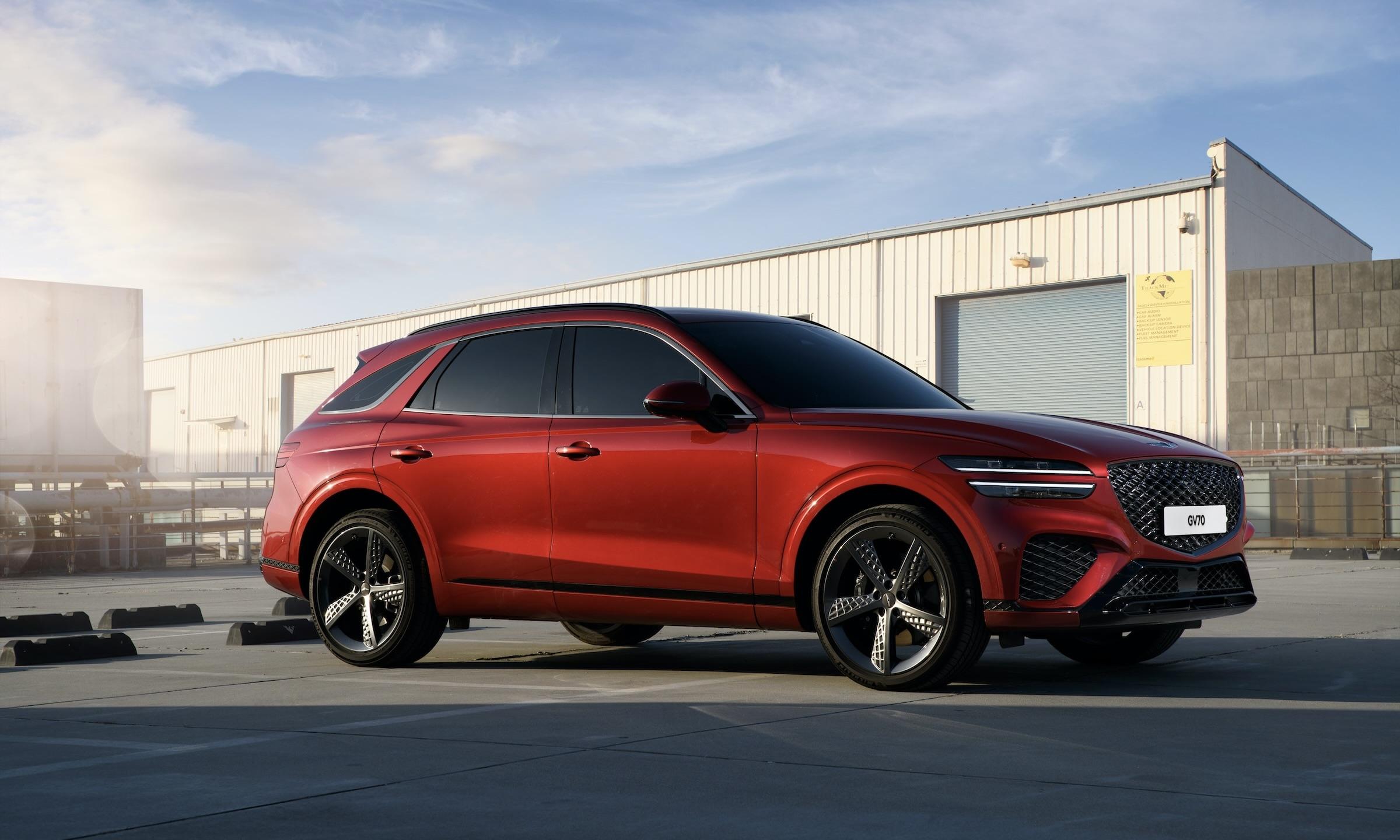
Genesis, Hyundai Motor Co.'s luxury brand, is poised to hit a million sales just under eight years after its 2015 launch, outpacing industry norms. Meanwhile, Hyundai secures a strategic EV partnership in China with NaaS.
As of last month, the automaker has sold 983,716 units worldwide, with 682,226 sold domestically and 301,490 sold internationally. With an average monthly sales volume of around 20,000 units, reaching the million mark is almost guaranteed for Genesis this month.
Launched in November 2015 as South Korea's first premium car line under the guidance of Hyundai Motor Group Chairman Chung Eui-sun, Genesis had faced skepticism due to concerns about cost-effectiveness. However, the brand proved its mettle and eased such fears with its stellar performance.
Moreover, Genesis' share of Hyundai Motor's global sales has surged from 1.2% in 2016 to an impressive 5.4% in the first quarter of this year. Comparatively, Lexus, the luxury brand of Japan's Toyota, took 32 years to exceed 5% of its company's sales after its launch in 1989, making Genesis' growth all the more remarkable.
Among the Genesis models, the best-selling one is the semi-large sedan G80, which has sold an impressive 380,127 units since its launch in July 2016. The luxury SUV GV80 comes in second place with 169,894 units sold, followed by the midsize SUV GV70 with 154,333 units sold.
In other news, Hyundai Motor Group has recently signed a partnership agreement with the Chinese EV charging service provider, NaaS, to bolster its presence in the world's second-largest economy. The Korean automotive giant aims to increase sales of its electric vehicles (EVs) in China, and the collaboration with NaaS will focus on cooperation in EV charging services.
NaaS, established in 2019 as China's pioneer specialized EV charging service information company, boasts substantial information on 55,000 charging stations and 400,000 charging points across China.
Notably, the company made waves in March when it unveiled its autonomous EV charging robot and actively engaged in developing innovative EV charging-related services. This marks a significant move for Hyundai Motor Group as it continues to expand its foothold in the global automotive market and make strides in the EV segment.
Photo: Hyundai Motor Group/Unsplash







