


 RBI Holds Repo Rate at 5.25% as India’s Growth Outlook Strengthens After U.S. Trade Deal
  Trump Lifts 25% Tariff on Indian Goods in Strategic U.S.–India Trade and Energy Deal
  Global PC Makers Eye Chinese Memory Chip Suppliers Amid Ongoing Supply Crunch
  Fed Governor Lisa Cook Warns Inflation Risks Remain as Rates Stay Steady
  Gold Prices Slide Below $5,000 as Strong Dollar and Central Bank Outlook Weigh on Metals
  Alphabet’s Massive AI Spending Surge Signals Confidence in Google’s Growth Engine
  Weight-Loss Drug Ads Take Over the Super Bowl as Pharma Embraces Direct-to-Consumer Marketing
  Trump Signs Executive Order Threatening 25% Tariffs on Countries Trading With Iran
  TSMC Eyes 3nm Chip Production in Japan with $17 Billion Kumamoto Investment
  Sony Q3 Profit Jumps on Gaming and Image Sensors, Full-Year Outlook Raised
  Singapore Budget 2026 Set for Fiscal Prudence as Growth Remains Resilient
  TrumpRx Website Launches to Offer Discounted Prescription Drugs for Cash-Paying Americans
  Global Markets Slide as AI, Crypto, and Precious Metals Face Heightened Volatility
  Hims & Hers Halts Compounded Semaglutide Pill After FDA Warning
  Oil Prices Slide on US-Iran Talks, Dollar Strength and Profit-Taking Pressure
  Washington Post Publisher Will Lewis Steps Down After Layoffs
  SoftBank Shares Slide After Arm Earnings Miss Fuels Tech Stock Sell-Off


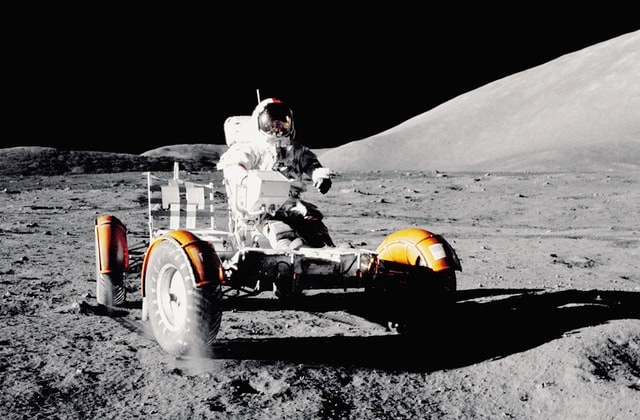
General Motors and Lockheed Martin have joined forces to create rental cars that will be used when navigating the Moon. The companies are developing Lunar Mobility Vehicles (LMV) that will provide transportation for astronauts who are visiting manned lunar missions and visiting the Earth's only natural satellite.
According to Fox Business, the team-up has a goal of having the lunar rover available ahead of the first manned Moon missions of the 21st century, which has been set for the year 2025. General Motors and Lockheed Martin are designing LMVs with autonomous driving capability and platforms that can carry humans or equipment around the surface of the Moon.
GM and Lockheed Martin are said to be moving forward with their space vehicle project without help from NASA's Artemis program that will bring astronauts to the lunar surface once again. This will mark the return of humans to the Moon, but the companies' LMV is not part of the government space agency's program. This means that the Lunar Mobility Vehicles are set to be launched without any government contracts to support them.
"The things that you would do to make a vehicle good in an off-road environment on Earth are the same things you would do on the Moon, it's just a shift in the numbers," GM's advanced vehicle dynamics lead engineer, Jeff Vogt said.
Moreover, the spokesperson of the Detroit, Michigan-headquartered automaker told Fox Business that the LMVs would be sent to the Moon before NASA's lunar mission then these will be available for rental to all government-led expeditions to the Moon. All countries are welcome to rent the space vehicles that will be recharged through solar power.
The lunar vehicles are given a 10-year life span, and GM and Lockheed Martin will soon launch them for the commercial space market. As announced by the companies last week, they will be developing more than one model of the moon rovers for space missions.
CNBC reported that GM and Lockheed will be testing the batteries that will be fitted on the LMVs in space later this year. This will become the first vehicle that uses batteries on the Moon.
"The interest around the world is tremendous," Lockheed Martin's director of product strategy and sales for lunar infrastructure services, Derek Hodgins, said in a separate statement.













