


 GesiaPlatform Launches Carbon-Neutral Lifestyle App ‘Net Zero Heroes’
  NEAR Protocol Leads AI Crypto Rally Amid Fed Rate Hike Fears
  Gold Prices Rise Above $4,200 as Russia-Ukraine Energy Truce Eases Oil Concerns
  Albertsons Seeks $9.3 Billion From Kroger Over Failed Merger
  Binance to Shut Down Crypto Mining Pool Services on November 10
  Nvidia Invests in Four French AI Companies to Expand European Presence
  Rice feeds billions of people – but its role in fueling climate change is growing
  What’s so special about Ukraine’s minerals? A geologist explains
  How to create a thriving forest, not box-checking ‘tree cover’
  Dogecoin Price Rebounds as DOGE Defends $0.08 Support
  Cardano Price Drops 14% as ADA Funding Rate Hits Four-Month Low
  Rise of the Zombie Bugs takes readers on a jaw-dropping tour of the parasite world
  XRP Price Drops 3% Despite Ripple-Backed Evernorth Nasdaq Debut
  Ethereum Foundation-Linked Wallets Move $11.13M in ETH to Kraken
  RBA Signals More Rate Hikes as Inflation Risks Rise
  Zcash Price Drops 30% as ZEC Tests Critical $1,120 Support


 Add as a preferred source on Google
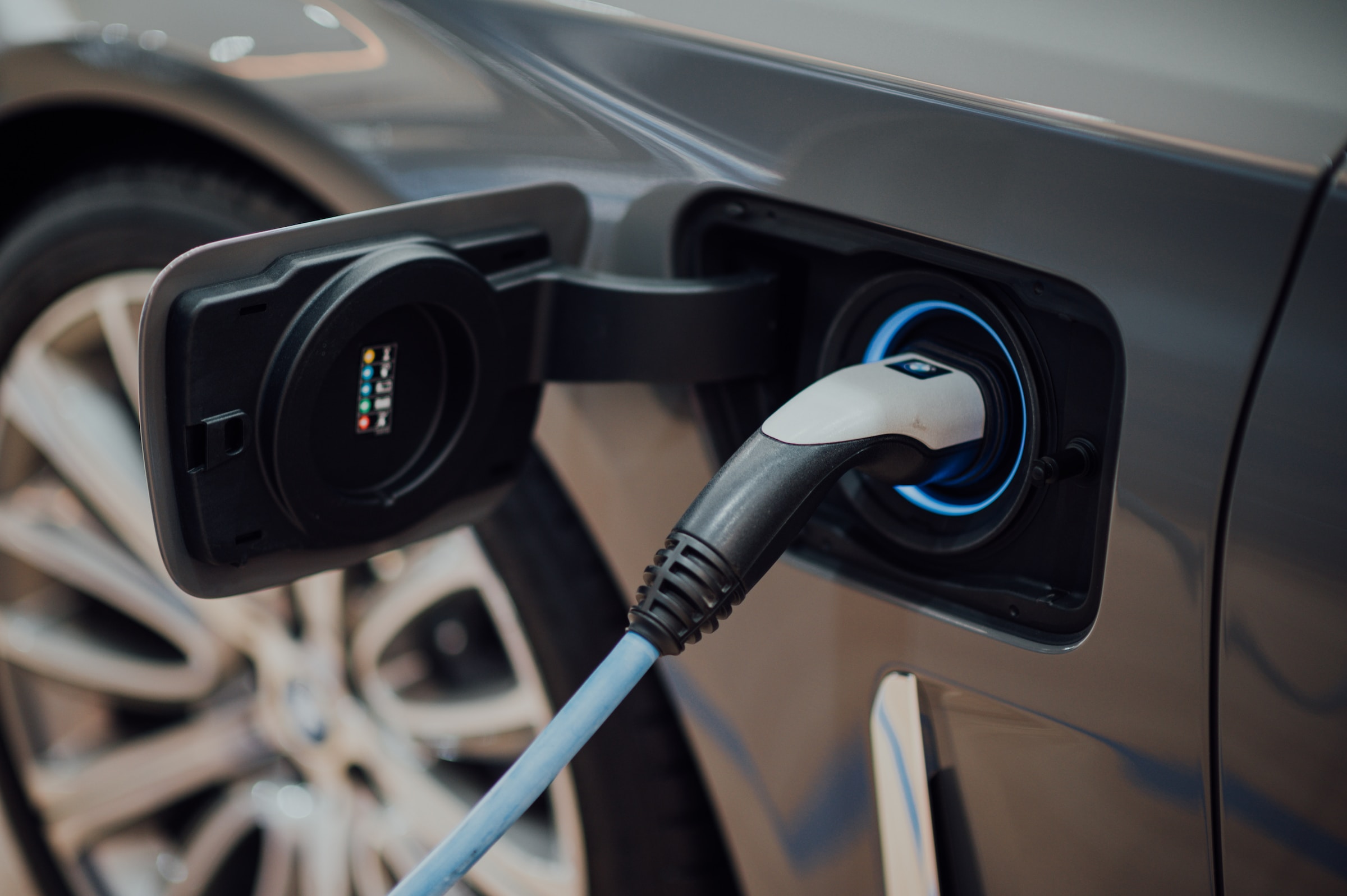
Seven leading automakers, including General Motors, BMW, and Honda, are joining forces to double North America's fast-charging infrastructure for electric vehicles (EVs), seeking to rival Tesla's prominent network. This transformative collaboration will feature an estimated 30,000 high-power charging plugs, intensifying the shift towards electrified mobility.
General Motors, BMW, Honda, Hyundai, Kia, Mercedes, and Stellantis have committed to a multibillion-dollar investment in developing "high power" charging stations. These stations will feature 30,000 plugs strategically located in urban areas and along travel corridors.
The primary objective of this ambitious undertaking is to accelerate the adoption of electric vehicles while alleviating concerns regarding long-distance travel. Automakers prioritize establishing a reliable and robust high-powered charging network to cultivate confidence in electric vehicle ownership.
Although the precise financial details and the number of stations remain undisclosed, the joint venture formed by the seven founding automakers embodies a commitment to shared success. Additionally, while the initial US chargers are projected to be operational by next summer, the timeframe for completing the entire network has not been disclosed.
This visionary network will offer a comprehensive and accessible infrastructure comprising high-powered charging stations distributed across North America. The United States and Canada house roughly 8,700 direct-current fast-charging stations equipped with nearly 36,000 charging plugs.
The significance of fast chargers lies in their ability to deliver 80% battery capacity within 20 minutes to one hour, providing a comparable experience to refueling with gasoline. In comparison, 240-volt "Level 2" chargers necessitate several hours to achieve a full battery charge.
Envisioned with 10 to 20 charging plugs per station, the network aims to establish a minimum of 1,500 stations and a maximum of approximately 3,000. For perspective, Tesla's existing network currently consists of 2,050 stations and over 22,000 plugs in the United States and Canada.
Importantly, the network created by these seven automakers will be publicly available to all electric vehicle owners. The charging stations will feature connectors compatible with both Tesla's North American Charging Standard plugs and the Combined Charging System plugs commonly used by other automakers.
This united effort reflects a noteworthy stride towards the future of electric mobility, solidifying North America's position as a leader in accessible and reliable electric vehicle charging infrastructure.
Photo: CHUTTERSNAP/Unsplash







