


 OpenAI Annualized Revenue Hits $50 Billion, Below Earlier Estimates
  Xiaomi Shares Surge 7.6% as SkyNomad EV Orders Hit 70,000
  Starbucks Explores Chipotle Acquisition as Shares Swing
  Thousands of satellites are due to burn up in the atmosphere every year – damaging the ozone layer and changing the climate
  Apple Cuts iPhone 18 Pro Production Orders Amid Weak Demand
  Deutsche Bank CEO Urges Faster German Economic Reforms
  Wall Street Falls as Fed Minutes Signal Another Rate Hike
  How to create a thriving forest, not box-checking ‘tree cover’
  France to Release 10 Million Barrels of Diesel to Ease Fuel Prices
  Gold Prices Rise as Hormuz Tensions Fuel Inflation Risks
  Oil Prices Rise as Gulf Hurricane and Middle East Supply Risks Mount
  Parasites are ecological dark matter – and they need protecting
  US Dollar Rises for Fourth Week as Fed Rate Hike Bets Grow
  Apple Supplier Luxshare Sees Limited Impact From US Patent Probe
  Swimming in the sweet spot: how marine animals save energy on long journeys


 Add as a preferred source on Google
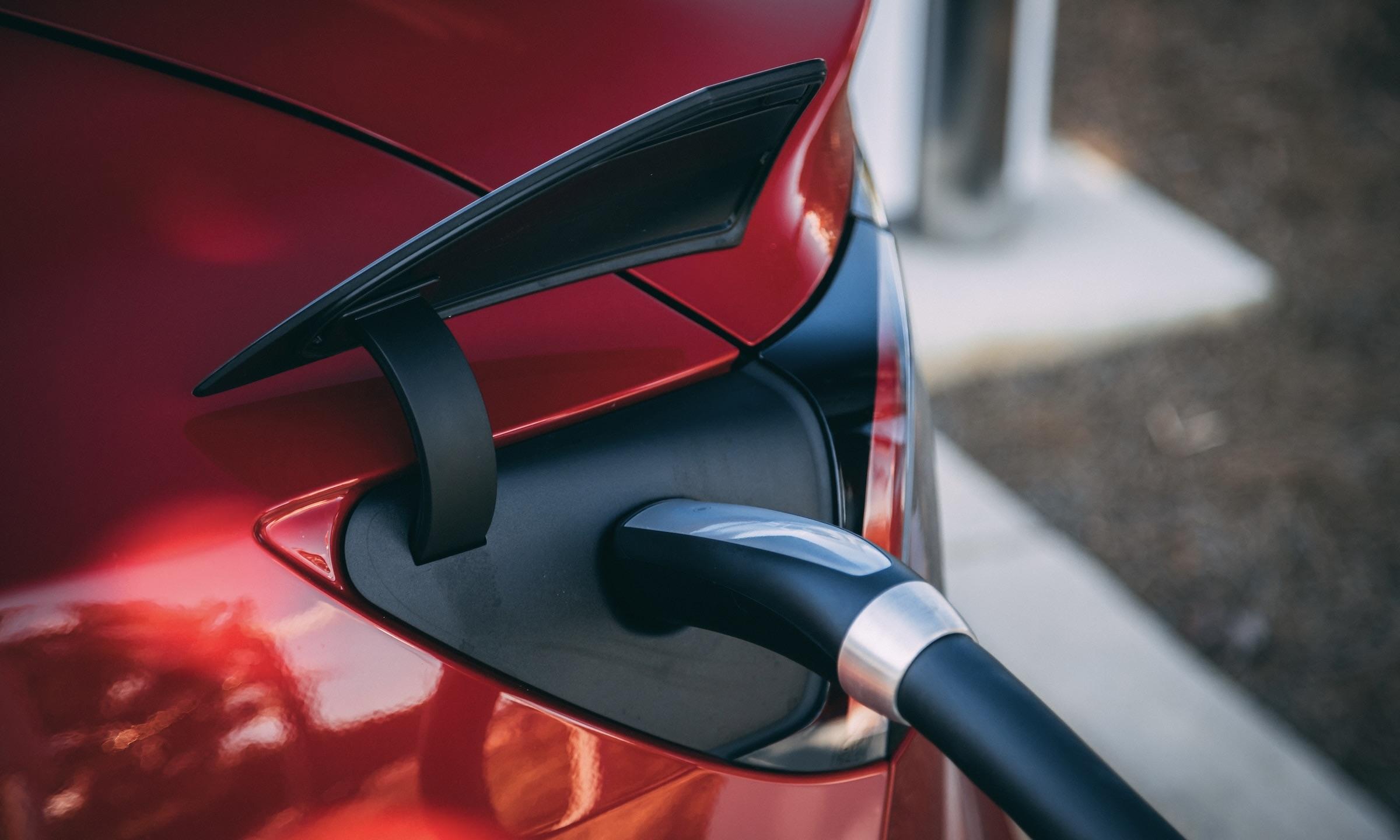
Tesla's electric-vehicle charging technology is transforming the North American infrastructure, becoming the industry standard as automakers and states alike adopt the groundbreaking North American Charging Standard (NACS).
With widespread adoption among industry leaders like General Motors, Ford, Rivian, and most recently, Volvo Car, Tesla's charging technology has gained significant momentum. This has come at the expense of earlier efforts by the Biden administration to establish the Combined Charging System (CCS) as the dominant charging standard in the United States.
SAE International, the renowned standards organization, aims to develop an industry-wide configuration of Tesla's charging connector within the next six months. Their ongoing discussions with Tesla, Ford, GM, other automakers, and the federal government signify a major step towards NACS standardization.
Referred to as "the North American Charging Standard (NACS)" by Tesla, this groundbreaking technology is poised to transform the electric-vehicle charging landscape. However, it is important to note that SAE International's official endorsement is still pending.
According to a study conducted by the National Renewable Energy Laboratory (NREL), the United States is projected to install a robust network of 1.2 million electric-vehicle public chargers, including 1 million Level 2 chargers, by 2030. Notably, this initiative surpasses the Biden administration's goal of deploying 500,000 public chargers within the same timeframe. While the NREL study does not provide a breakdown of NACS and other connector types, it highlights the nation's commitment to comprehensive charging infrastructure.
The substantial undertaking of building out the public charging network will require between $33 billion and $55 billion of combined public and private capital investment, as estimated by the NREL study. Such ventures represent a significant opportunity for private businesses and public entities to contribute towards a greener and more sustainable future.
To encourage the widespread deployment of electric-vehicle charging stations, the White House has announced that those utilizing Tesla-standard plugs will be eligible for substantial federal subsidies. It is worth noting that these subsidies would be contingent upon the inclusion of the U.S. charging standard connection, CCS.
The states of Texas and Washington have already shown their commitment to advancing electric-vehicle infrastructure by mandating the use of NACS, along with CCS, as part of the federal program. The impact of these state-level decisions on the federal government's approach remains to be seen.
The future of electric vehicle charging in North America is on the precipice of tremendous growth and innovation. With Tesla's technology at the forefront, it is an exciting time for the industry as we collectively strive for a sustainable and electrified future.
Photo: Vlad Tchompalov/Unsplash







