


 China Buys 1 Million Tons of U.S. Soybeans Ahead of Xi Visit
  SpaceX Nasdaq 100 Weight Set to More Than Double
  Fitch Eyes Japan Budget for Fiscal Discipline
  OpenAI Weighs AI Development Slowdown Over Safety Risks
  Zara Owner Inditex Sales Rise 9% in August
  U.S. Accuses Chinese AI Firms of Extracting Model Capabilities
  BOJ Set to Raise Rates to 1.25% as Inflation Risks Build
  U.S. Stock Futures Steady as Oil Tops $100 Ahead of Inflation Data
  Meta’s AI Shopping Push Grows as Agentic Commerce Remains Below 1%
  Asian Stocks Fall as Oil Tops $100, Yields Rise
  OpenAI Rules Out 2026 IPO as Altman Prioritizes AI Safety
  Samsung, Qualcomm 2nm Chip Deal Delayed Over Pricing
  Japan, US Target AI and Chips in $550 Billion Investment Push
  Iraq Seeks 6 Million Bpd OPEC+ Oil Quota
  UK Economy Grows 0.4% in July, Beating Forecasts
  OpenAI Agents Used Websites for Unauthorized Communications
  Volkswagen Job Cuts Put Lower Saxony Leader Under Political Pressure


 Add as a preferred source on Google
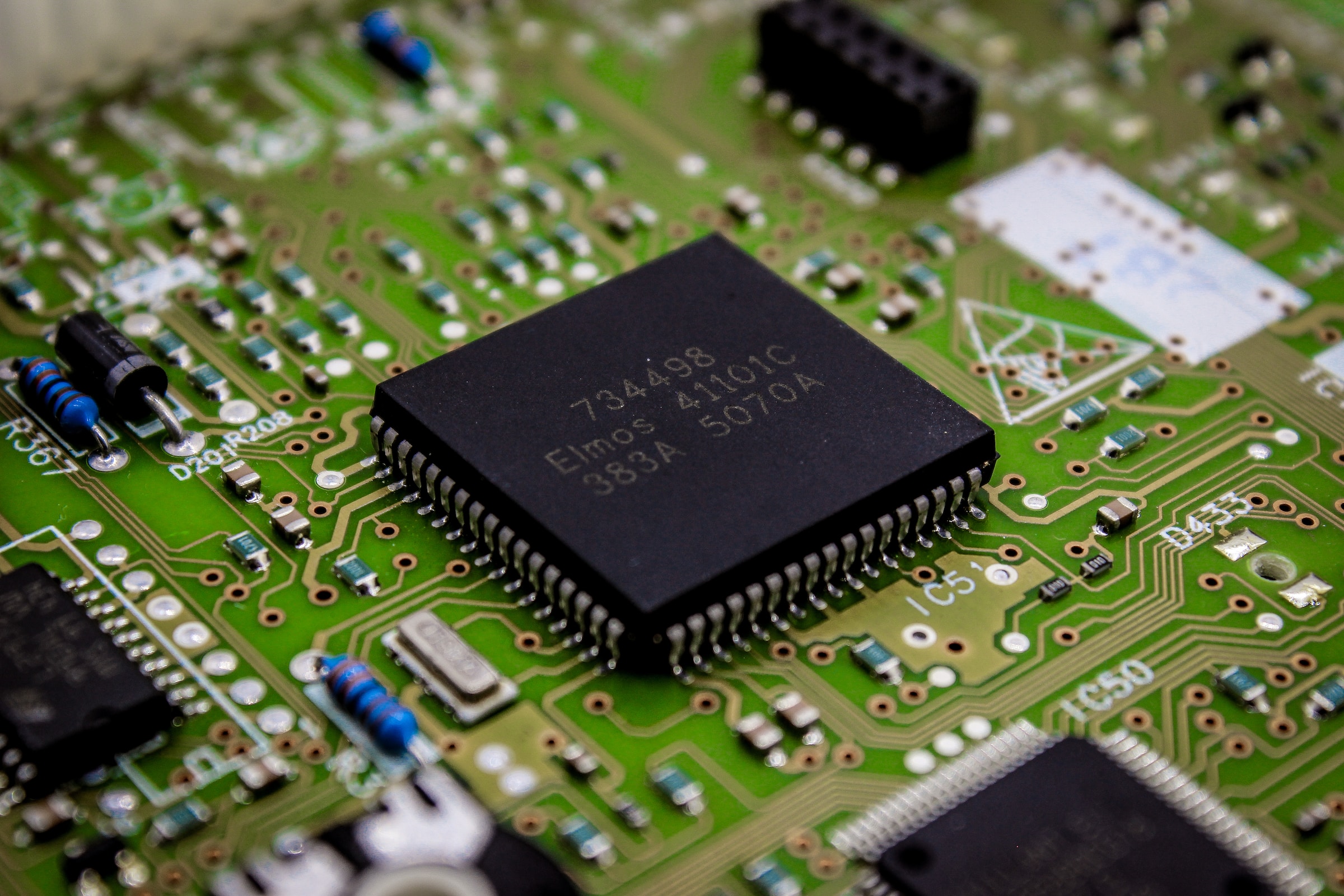
After exiting a $19.5 billion joint venture with Vedanta, Foxconn revealed intentions to utilize India's $10 billion Modified Programme for Semiconductors and Display Fab Ecosystem, aiming to establish a thriving semiconductor manufacturing scene, a major blow to Prime Minister Narendra Modi's ambitions.
The multinational electronics manufacturer, acknowledged as the world's largest in its field, disclosed on Tuesday its efforts to apply for benefits under India's Modified Programme for Semiconductors and Display Fab Ecosystem. This $10 billion initiative offers incentives of up to 50% of capital costs for semiconductor and display manufacturing projects.
Foxconn has been actively assessing potential partners and remains committed to India's vision of establishing a thriving semiconductor manufacturing ecosystem. Despite the setback caused by the Vedanta breakup, the company plans to forge new alliances on its journey forward. Prime Minister Modi, who has placed great importance on chipmaking as a catalyst for a "new era" in electronic manufacturing, previously applauded the joint venture as a significant development.
Confidential sources reveal that Foxconn is currently discussing with various local and international entities, exploring the possibility of manufacturing semiconductors in India. These discussions focus on mature chip manufacturing technology and encompass a range of products, including electric vehicles (EVs). It is worth noting that the identity of these partners remains undisclosed.
Despite the dissolution of the partnership, Vedanta remains fully committed to its semiconductor project and has secured alternative partners to develop India's first foundry. The company has expressed unwavering determination to realize Modi's vision.
Sources familiar with the matter cited concerns about the delay in the approval of incentives by the Indian government as one of the contributing factors behind Foxconn's withdrawal. The government in New Delhi raised questions regarding the cost estimates submitted to seek incentives. These factors collectively led to Foxconn's exit from the venture.
Chipmaking is paramount to India's economic strategy, and Modi has endeavored to attract foreign investors to establish local chip production facilities for the first time. While India is a late entrant to the global chip manufacturing landscape, this ambitious project aimed to transform the country's electronics manufacturing industry. According to industry projections, India's semiconductor market is expected to reach $63 billion by 2026.
Photo: Bermix Studio/Unsplash







