


 Netanyahu to Meet Trump in Washington as Iran Nuclear Talks Intensify
  Trump Allows Commercial Fishing in Protected New England Waters
  Israel Approves West Bank Measures Expanding Settler Land Access
  Jack Lang Resigns as Head of Arab World Institute Amid Epstein Controversy
  Trump Lifts 25% Tariff on Indian Goods in Strategic U.S.–India Trade and Energy Deal
  Ghislaine Maxwell to Invoke Fifth Amendment at House Oversight Committee Deposition
  Japan Election 2026: Sanae Takaichi Poised for Landslide Win Despite Record Snowfall
  Trump Administration Appeals Court Order to Release Hudson Tunnel Project Funding
  New York Legalizes Medical Aid in Dying for Terminally Ill Patients
  Trump Says “Very Good Talks” Underway on Russia-Ukraine War as Peace Efforts Continue
  Trump Congratulates Japan’s First Female Prime Minister Sanae Takaichi After Historic Election Victory
  Trump Signs Executive Order Threatening 25% Tariffs on Countries Trading With Iran
  Anutin’s Bhumjaithai Party Wins Thai Election, Signals Shift Toward Political Stability
  U.S. Lawmakers to Review Unredacted Jeffrey Epstein DOJ Files Starting Monday
  Bosnian Serb Presidential Rerun Confirms Victory for Dodik Ally Amid Allegations of Irregularities
  Japan’s Prime Minister Sanae Takaichi Secures Historic Election Win, Shaking Markets and Regional Politics
  Nicaragua Ends Visa-Free Entry for Cubans, Disrupting Key Migration Route to the U.S.


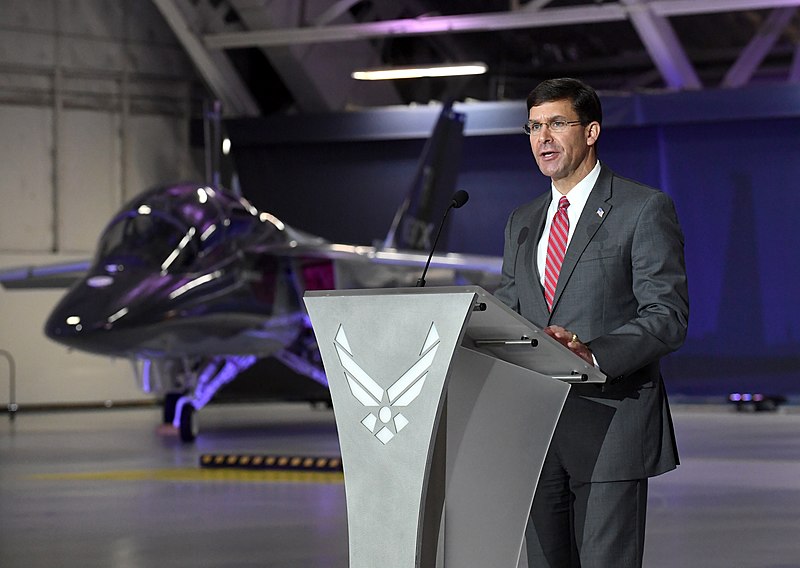
The island nation of Taiwan is looking to bolster its defenses amidst concerns of a possible military invasion by China to take the island by force. Former US defense secretary Mark Esper said he plans to relay Taiwan’s concerns on the speed of arms sales when he returns to the United States.
Speaking to reporters in Taipei, Esper said Thursday that he did not sense that Taiwanese officials were frustrated with the arms that Washington is offering but rather the speed of the sales.
Esper cited Taiwan’s desire to acquire more Javelin and Stinger anti-tank weapons, which are also being requested and used by Ukraine.
“I didn’t pick up any frustration other than the speed at which we conduct arms sales,” said Esper. “There was an expression of the need to get greater access to weapons such as the Javelin and the Stinger.”
“I think there was a concern about the supply chains and supply lines. That’s an issue that my delegation and I decided to take back to and share with the right people in DC,” said Esper, who was visiting Taiwan with the Atlantic Council think tank.
Esper also had meetings with Taiwanese officials, including President Tsai Ing-wen.
The island nation has complained of an increased effort by Beijing to pressure Taiwan and its democratic government to accept China’s sovereignty. China claims Taiwan is part of the mainland and has conducted military drills near the island while also criticizing visits by foreign government officials.
The United States is legally obligated to provide Taiwan with arms for the island nation to defend itself but has also tried to push for asymmetric warfare with the use of more mobile weapons to make the island more difficult to attack. Tsai has sought to prioritize the tactic.
Speaking at the parliament of the Czech Republic Thursday, Taiwan’s parliament speaker You Si-kun warned against China’s ambitions. You said that while the island nation was making gains internationally, authoritarianism was also growing.
The Czech Republic, a NATO and European Union country, has looked to build closer relations with Taiwan among democracies in Asia, predictably drawing the ire of Beijing.













