


 Samsung Electronics America to Cut 739 New Jersey Jobs as Texas Headquarters Move Advances
  Belimo H1 Sales Surge as AI Data Center Cooling Drives More Than Half of Growth
  ASML Trillion-Dollar Valuation: Can Europe’s AI Chip Giant Reach the Historic Milestone?
  SpaceX Q2 Earnings on Aug. 4 Set Stage for Historic Insider Share Unlock
  Super Micro Computer Stock Jumps 20% After Record AI Orders and Margin Surge
  SpaceX Aborts Starship Test Flight as Engine Issue Delays Launch
  DeepSeek Eyes $74 Billion Valuation Ahead of Planned China IPO
  Tesla Stock Outlook: Strong EV Sales Boost Earnings, but AI Projects Drive Long-Term Value
  Chalco Shares Jump as Chinalco Plans Up to $300 Million Stake Increase
  Apple Intelligence China Approval Lifts Alibaba and Baidu Shares
  TSMC Sees Multi-Year AI Chip Demand as Arizona Expansion Reaches $265 Billion
  Xi Jinping Calls for People-Centered AI Development at WAIC, Expands Global Cooperation
  Wistron Opens $700M Texas AI Factory to Build Nvidia GB300 Superchips
  KPMG Australia Appoints John Sams as CEO Following Audit Leak Scandal
  Morgan Stanley Downgrades Adobe, Workday as AI Transition Raises Growth Concerns
  SpaceX Targets Thursday Launch for Starship's 13th Test Flight After Last-Minute Delay
  Wistron Opens $700M Texas AI Factory to Build Nvidia Superchips in U.S.


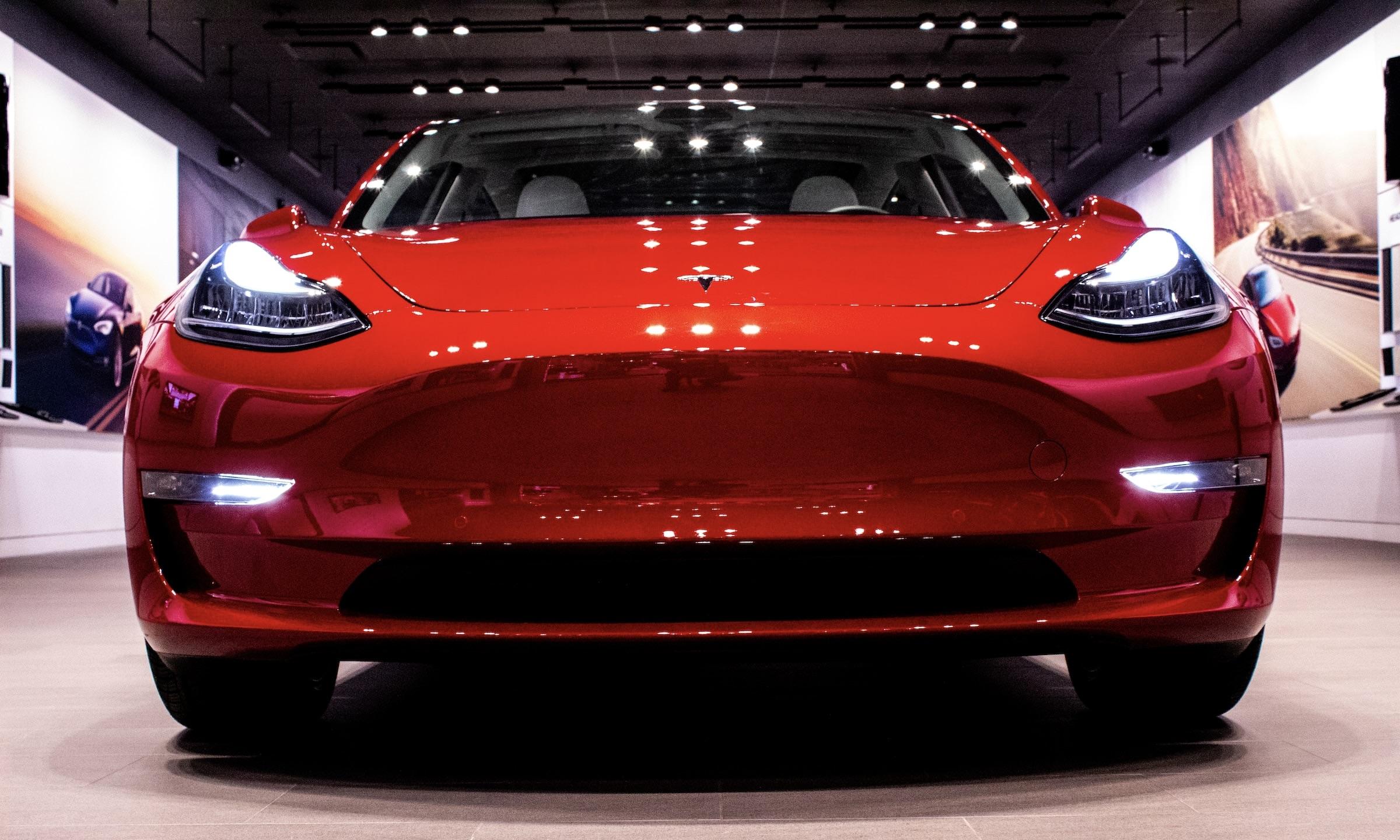
A recent legal development in Florida has put Tesla, the renowned electric vehicle manufacturer, under the spotlight. A judge has found "reasonable evidence" that Tesla, including CEO Elon Musk, was aware of defects in its Autopilot system yet continued to allow its use in unsafe conditions. This ruling has paved the way for a trial where Tesla faces allegations of intentional misconduct and gross negligence.
Critical Ruling in Tesla's Legal Battle
The decision by Judge Reid Scott of the Circuit Court for Palm Beach County stems from a tragic incident in 2019 where Stephen Banner, driving his Tesla Model 3 with the Autopilot engaged, collided fatally with an 18-wheeler. The lawsuit alleges that Tesla's Autopilot failed to detect the truck, leading to the accident. This ruling contradicts Tesla's previous victories in similar cases in California earlier this year, highlighting the ongoing controversy surrounding the safety of its Autopilot feature.
Upcoming Trial and Potential Revelations
The impending trial, which has been delayed from its original October schedule, is anticipated to shed light on Tesla's closely guarded data collection practices. Furthermore, the judge's assertion that Tesla's management, including Musk, was aware of the Autopilot's flaws could lead to Musk being summoned to testify. The judge cited Tesla's marketing tactics and Musk’s public statements as influential in shaping public perception of the Autopilot’s capabilities, including a 2016 video that exaggerated the system’s autonomy.
Comparative Analysis and Testimonies
Judge Scott drew parallels between Banner's accident and a similar fatal crash in 2016 involving Joshua Brown, where Autopilot also failed to recognize crossing trucks. Testimonies from Adam Gustafsson, an Autopilot engineer, and Dr. Mary “Missy” Cummings, a robotics expert, were critical in the judge's decision. Gustafsson acknowledged that despite awareness of the issue, Tesla did not modify the cross-traffic detection system after Brown's crash.
Tesla's Response and Defense Strategy
While a Tesla spokesperson was unavailable for comment, the company is expected to argue that Banner’s accident was due to human error, a stance supported by a National Transportation Safety Board investigation. This investigation also noted the truck driver's failure to yield and Banner's over-reliance on Autopilot, though it criticized the system's lack of warnings to the driver.
Tesla may lean on its recent legal successes to defend its position. In two separate cases in California, juries ruled in favor of Tesla, dismissing claims that Autopilot defects led to crashes in 2019.
This ongoing legal battle in the Circuit Court for Palm Beach County, Florida, underlines the complex interplay of technology, human error, and legal responsibility in the era of automated driving systems.
Photo: Tunde Abati/Unsplash







