


 Iran Faces Rising Pressure as U.S. Builds Military Presence
  Japan Protests to US After Marine Arrested in Okinawa Murder Case
  Merz Pledges €1 Billion in Ukraine Aid During Kyiv Visit
  Trump Heads to Ohio to Boost Husted in Tight Senate Race
  UK Warned Over Growing Reliance on US Cloud Providers
  G20 Divided Over US Push to Curb Industrial Overcapacity
  OPEC+ Keeps November Oil Output Targets Steady
  South Korea Warns Ukraine Over North Korean POW Dispute
  Iran Keeps Strait of Hormuz Closed as War Talks Stall
  Bosnia Election Puts EU Bid and Foreign Influence in Focus
  California Woman Arrested Over Alleged Spying on Taiwan President’s Son
  Lula Leads Flavio Bolsonaro 48%-45% in Datafolha Poll
  US Caribbean Vessel Strike Kills Four
  Iran Plans Stronger Response if US Attacks Resume
  Yemen Launches Major Offensive to Retake Houthi-Held Areas
  Australia Probes Flydubai Co-Pilot’s Links After FZ1073 Hijack Attempt


 Add as a preferred source on Google
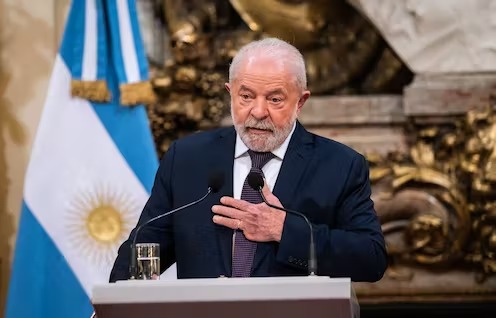
Brazilian Senator Flavio Bolsonaro will face President Luiz Inacio Lula da Silva in an October 25 presidential runoff after delivering a stronger-than-expected performance in Sunday’s first-round election.
With nearly 99% of votes counted, Bolsonaro secured about 47% of valid ballots, ahead of Lula’s 44.9%. The result defied most private polls, which had predicted Lula would lead the first round by roughly three percentage points.
Bolsonaro, son of former President Jair Bolsonaro, now enters a closely watched showdown with the leftist incumbent. His performance could also support Brazilian stocks and the real, which had already benefited from investor expectations that a business-friendly candidate could win the presidency.
The election campaign has centered on Brazil’s high cost of living, corruption, public security and mounting fiscal pressures. Despite falling unemployment and inequality, Lula has struggled with voter frustration over household debt, crime and persistent living-cost pressures.
Bolsonaro sought to capitalize on those concerns, attracting some voters who initially supported other right-leaning candidates. Analysts said the protest vote helped strengthen his first-round showing, although it could limit his potential to gain additional support in the runoff.
Economic issues will remain crucial. Brazil’s public debt has risen above 82% of gross domestic product, while the government recently lowered its economic growth forecasts to 2.0% for this year and 2.3% for next year.
The campaign has also been overshadowed by corruption allegations and concerns about foreign interference. An investigation into the collapsed Banco Master has examined links between former bank chief Daniel Vorcaro and prominent political figures, including Bolsonaro, who is being investigated over alleged money laundering and has denied wrongdoing.
Lula’s allies have meanwhile raised concerns about possible U.S. interference. Washington has rejected those allegations. U.S. President Donald Trump has not formally endorsed Bolsonaro, although he previously hosted the senator at the White House and publicly praised him.
With neither candidate securing an outright majority, Brazil now faces a closely contested runoff that could reshape the country’s economic policy and relations with Washington.







