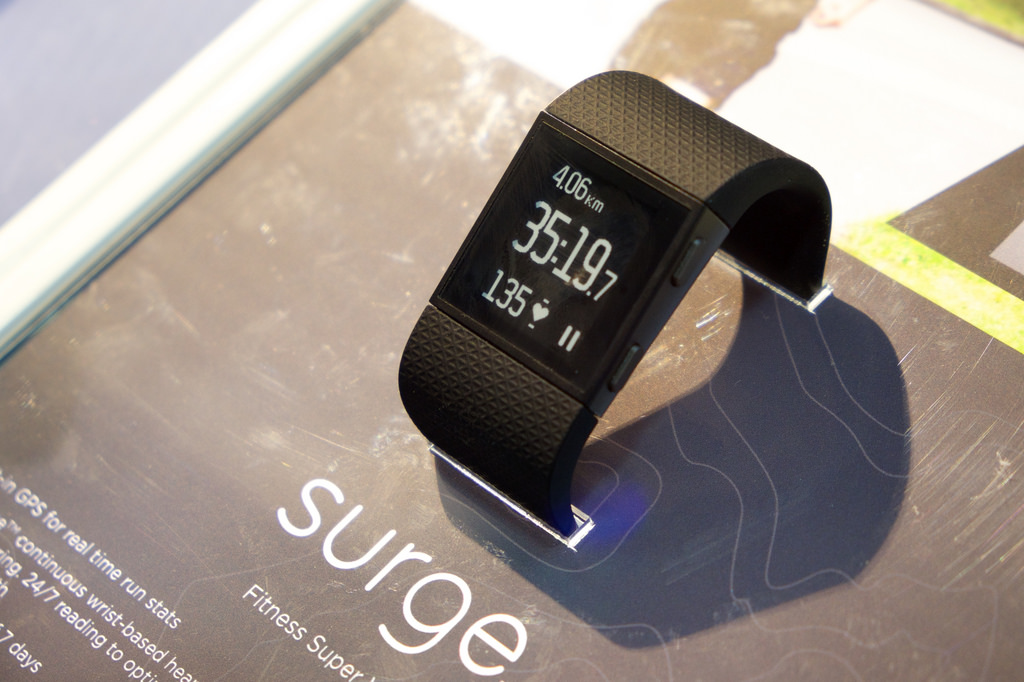
The numbers are in and according to the figures presented by the IDC, Fitbit is riding high while Apple is crashing in terms of the wearable market. Clearly, Fitbit is the current king of wearables. Unfortunately for the company, there is a dark side to this story.
According to the IDC numbers, Q3 saw an increase to 23 percent of market share by Fitbit within the wearable industry, which is an improvement to the 22 percent that it had last year. As for the wearable market itself, it grew by 3.1 percent year over year, leading to a total number of shipments of 23 million devices for the whole industry.
As for Fitbit itself, the company managed to ship about 5.3 million units for this quarter. Naturally, much of the bulk is made up of the company’s newest offerings, including the Blaze, the Flex 2, and Charge 2. The latter has been performing exceptionally well, being the number one best-selling wearable in the U.S. alone.
In comparison, Apple’s performance for Q3 has been dismal, falling to fourth place behind Xiaomi and Garmin. The Apple Watch maker’s sales crashed with a dip of 71 percent, though a huge reason for the dip is due to the last quarter release of the device.
According to Fortune, however, removing smartwatches from the market shows that Fitbit isn’t doing as well as it seems. The IDC numbers included products that functioned as both smartwatch and fitness wearable, with the smartwatch sector growing by 22% during Q3. After taking out those numbers, Fitbit only grew by 11 percent.
Wanting to portray its growth in the best possible way is understandable on the part of Fitbit, particularly with its stocks performing badly since the beginning of the year. In just the last month, the company’s stock prices dropped by a steep 36 percent following a Q4 sale forecast that was less than stellar.