


 Asian Stocks Fall as Oil Surge, Bond Yields and AI Concerns Hit Markets
  BOJ Flags Import Costs and Yen Shocks as Persistent Inflation Risks
  RBA Says ASX Still Falls Short on Governance and Risk Controls
  RBA Hikes Interest Rate to 4.60% as Inflation Risks Rise
  ECB May Stop Rate Hikes After December, Capital Economics Says
  Japan Warns Markets Over Yen Weakness
  Asian Currencies Mixed as Yen Weakens, RBA Hike Looms
  China Cuts Tariffs on U.S. Farm Goods but Excludes Soybeans
  Oil Prices Jump Nearly 3% as Iran Holds Firm on Hormuz Conditions
  Asian Currencies Weaken as Dollar, Oil Prices Rise
  BOJ Set for Rate Hike as Inflation and Yen Pressure Mount
  Asian Stocks Rise as Bond Yields Ease Ahead of U.S. Inflation Data
  Gold Plunges 4% as Treasury Yields Surge and Fed Rate Hike Bets Rise
  US Stocks Slip as Treasury Yields Ease, AI Trade Rebounds
  Fed Unveils Stablecoin Rules Under GENIUS Act


 Add as a preferred source on Google
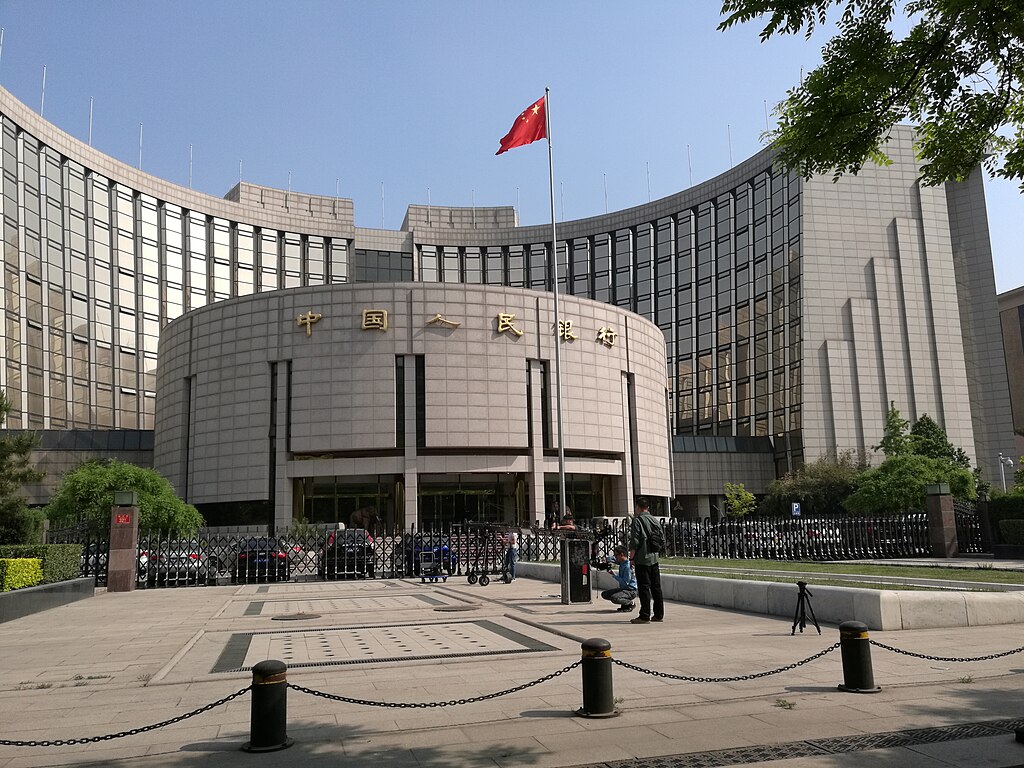
The U.S. Federal Reserve is widely expected to cut interest rates at its September 16-17 meeting, a move that could ease global financial conditions. However, China’s central bank, the People’s Bank of China (PBOC), is likely to tread carefully as it balances the need to support slowing growth against the risk of inflating an already hot stock market.
While a Fed cut could give Beijing more room to loosen policy without sparking capital flight or yuan depreciation, policy insiders suggest the PBOC may hold back until clearer economic signals emerge. So far this year, the PBOC has lowered its key seven-day reverse repo rate by 10 basis points and cut banks’ reserve requirement ratio (RRR) by 50 basis points. The current policy rate stands at a record low of 1.4%, while the average RRR has dropped to 6.2%.
Analysts note that Chinese equities are buoyant, led by institutional investors, with retail traders only beginning to participate. Officials hope rising stock prices will restore household confidence after the property slump and spur consumption. However, experts warn that aggressive rate cuts could fuel a bubble similar to the 2015 crash.
The economic backdrop remains challenging. July data showed factory output growth at an eight-month low, retail sales weakening, and new yuan loans shrinking for the first time in two decades. Exports also slowed in August as tariff relief effects faded, prompting calls for more fiscal stimulus. With growth slowing to 5.2% in the second quarter, economists expect sub-5% expansion later this year, raising pressure for targeted housing and spending support.
Ultimately, the PBOC faces a limited toolkit after years of easing. While modest cuts remain possible, policymakers are likely to prioritize financial stability over aggressive monetary stimulus, even as the Fed moves in the opposite direction.







