


 BOJ Raises Interest Rate to 31-Year High as Yen Weakens
  RBA Hikes Interest Rate to 4.60% as Inflation Risks Rise
  Yen Sinks as BOJ Rate Hike Fails to Impress Markets
  BlackRock’s Rick Rieder Favors Bonds Over Stocks as Treasury Yields Surge
  China Cuts Tariffs on U.S. Farm Goods but Excludes Soybeans
  Asian Stocks Fall as Oil Surge, Bond Yields and AI Concerns Hit Markets
  Oil Prices Jump Nearly 3% as Iran Holds Firm on Hormuz Conditions
  ECB May Stop Rate Hikes After December, Capital Economics Says
  Asian Currencies Weaken as Dollar, Oil Prices Rise
  Asian Stocks Rise as Bond Yields Ease Ahead of U.S. Inflation Data
  Trump Eyes $54 Billion South Korean Investment in Alaska LNG
  Fed’s Hammack Says Bond Yield Surge Is Not Driven by Inflation Fears
  Japanese Yen Retreats as Dollar Rises Ahead of Fed, BOJ Rate Decisions
  Japan Factory Output Unexpectedly Falls 1.7% in August


 Add as a preferred source on Google
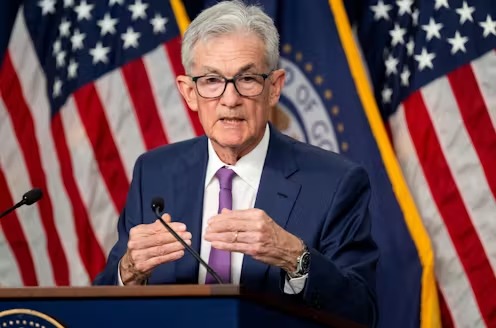
The Federal Reserve is widely expected to deliver its second interest rate cut of the year later this month, following remarks from Chairman Jerome Powell that highlighted growing risks in the U.S. labor market and the potential dangers of easing monetary policy too slowly.
Speaking at an economics conference in Philadelphia on Tuesday, Powell acknowledged that the labor market has shown “pretty significant downside risks,” noting that both the supply and demand for labor have “declined quite sharply.” His comments signaled a shift toward a more accommodative stance, reinforcing expectations of a rate cut at the upcoming Federal Open Market Committee (FOMC) meeting on October 28–29.
Powell also hinted that the Fed could soon end its quantitative tightening (QT) program, which has been reducing the central bank’s balance sheet since 2022. The Fed’s holdings have shrunk from nearly $9 trillion at the height of the pandemic to about $6.59 trillion. Powell said the runoff would likely stop once reserves are “somewhat above the level consistent with ample reserves conditions,” suggesting that point is nearing.
JPMorgan analysts said Powell’s remarks “solidified expectations for further rate cuts,” emphasizing that a policy shift is already largely priced into markets. According to Investing.com’s Fed Rate Monitor Tool, investors now see an October rate cut as almost certain.
The potential end of QT and another rate reduction mark a significant turn for U.S. monetary policy as the Fed navigates slower job growth, easing inflation pressures, and tightening financial conditions. Economists suggest the Fed’s next moves will be crucial in maintaining economic stability while supporting employment and growth in the months ahead.







