


 Apple’s Phil Schiller Steps Back as Leadership Shake-Up Accelerates
  U.S. Disrupts China-Linked Hacking Campaign Targeting Government Agencies
  MediaTek Shares Jump 10% on Nvidia’s $3.5 Billion Investment
  SpaceX Mobile Network Could Cost Up to $130 Billion, Bernstein Says
  New Zealand Labour Backs Social Media Ban for Under-16s
  OpenAI Data Center Chief Chris Malone Exits Ahead of Planned 2027 Listing
  Salesforce Shares Surge as AI Demand Powers Q2 Earnings Beat
  SK Hynix Shares Fall as Workers Reject Wage Deal
  Nvidia Options Price in $280 Billion Earnings Swing
  PayPal Shares Sink as $50 Billion Takeover Bid Collapses
  Meta Agrees to $18 Billion Settlement, Tightens Teen Social Media Rules
  Pinterest Stock Falls as CFO Julia Brau Donnelly Resigns
  U.S. Probes Apex Logistics Over Nvidia AI Chip Shipments to China
  Google Changes EU Spam Policy Amid Antitrust Scrutiny
  BofA Names ASML Top Semiconductor Equipment Pick on Growth, Valuation


 Add as a preferred source on Google
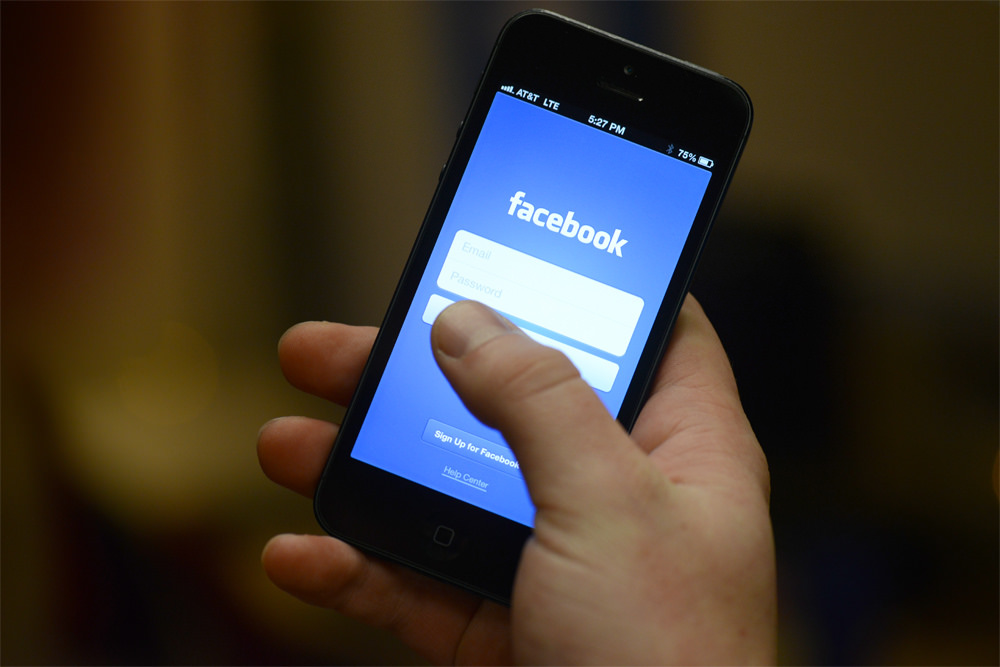
One of the biggest problems with social media or just general internet policies is how vague they can be. On Tuesday, Facebook tried to remedy this issue by publishing a set of guidelines that make it clear what can get users banned and who are the kind of people allowed to post on its platform. It’s the most specific set of rules provided by an online giant yet.
“Our mission is all about embracing diverse views. We err on the side of allowing content, even when some find it objectionable, unless removing that content can prevent a specific harm,” the guidelines read. “Moreover, at times we will allow content that might otherwise violate our standards if we feel that it is newsworthy, significant, or important to the public interest. We do this only after weighing the public interest value of the content against the risk of real-world harm.”
As CNBC notes, the new rules break the types of contents it looks into for the matter how objectionable they are down to six categories. These are "Violence and Criminal Behavior," "Objectionable Content," "Safety," "Respecting Intellectual Property," "Integrity and Authenticity,” and "Content-Related Requests."
Facebook will essentially be taking a closer look at posts to which of them are promoting actual, real-world violence against anyone and which are simply casual statements with objectionable crudeness. The social network doesn’t want to jump the gun on posts that are not necessarily advocating for real harm.
Among the list of contents and posts that Facebook will block include terrorist activity, organized hate, mass or serial murder, human trafficking, organized violence or criminal activity, and regulated goods. There are also other specific banned items listed under the rest of the categories, including contents containing child nudity under Safety, hate speech under Objectionable Content, and so on.







