


 Rubio Directs U.S. Diplomats to Use X and Military Psyops to Counter Foreign Propaganda
  California's AI Executive Order Pushes Responsible Tech Use in State Contracts
  Ukraine Open to Energy Ceasefire Amid Global Oil Crisis
  Trump Warns of Iran Strikes as Nuclear Deal Talks Intensify
  Trump Signs Executive Order Tightening Mail-In Voting Rules Amid Legal Backlash
  U.S. Army Investigates Military Helicopters Flying Near Kid Rock's Home and Anti-Trump Protests
  Rubio Calls for Democratic Transition and Free Elections in Venezuela
  FBI Labels Michigan Synagogue Attack as Hezbollah-Inspired Terrorism
  U.S. Trade Rep Dismisses WTO's Future Role After Failed Cameroon Summit
  Iran Strikes Oil Tanker Near Dubai Amid U.S. Threats and Ongoing Middle East Conflict
  Trump Administration Resumes Partial Asylum Processing After Temporary Halt
  U.S.-Iran War Talks Emerge Amid Ongoing Strikes and Economic Fallout
  Israel Passes Death Penalty Law Targeting Palestinians in Military Courts
  U.S. Senators Challenge FCC Chair Over Nexstar-Tegna Merger Approval
  Myanmar's Military Chief Steps Down to Pursue Presidency After Controversial Election
  U.S. Senator Pushes to Permanently Block Chinese Automakers from American Market
  Ukrainian Drones and the #MadeByHousewives Movement: Kyiv Fires Back at Rheinmetall CEO


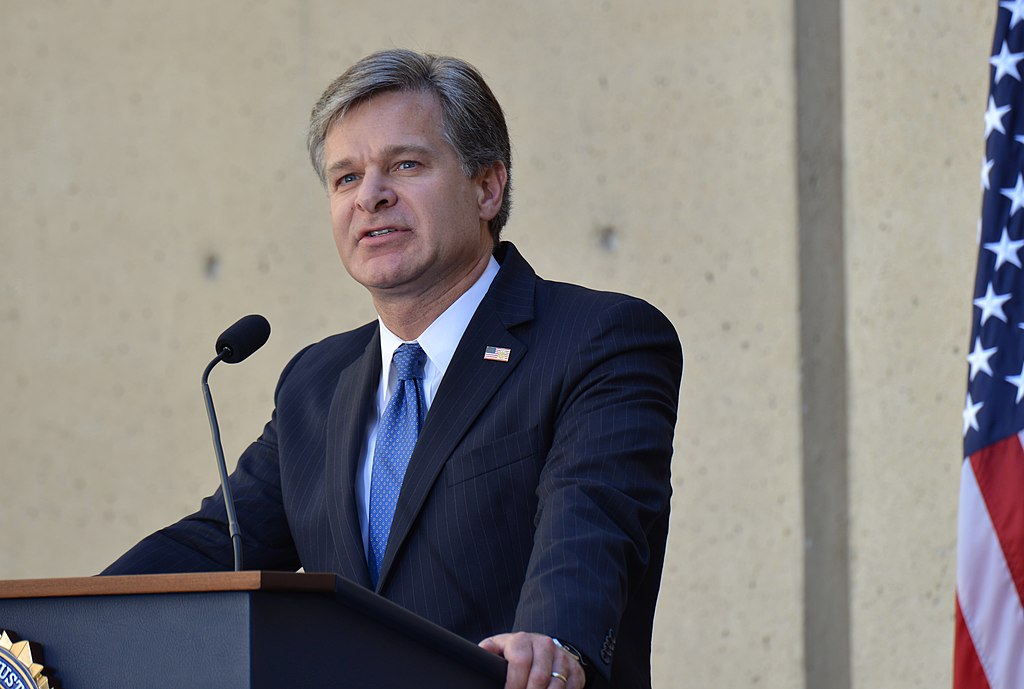
FBI Director Christopher Wray is reportedly preparing to step down from his position, with sources indicating his departure could come before Donald Trump’s upcoming inauguration. According to insiders familiar with the matter, Wray’s resignation may stem from mounting political pressures and potential policy disagreements between his administration and the incoming Trump team.
Wray’s Departure Signals a Shift for the FBI
Wray, appointed by former President Donald Trump in 2017, has faced a complex landscape during his tenure, particularly in recent years as the FBI tackled several high-profile investigations. His expected departure could mark the beginning of a significant shift in the Bureau’s leadership, with potential implications for the agency's handling of politically sensitive cases. Though Wray has yet to make a public statement, sources close to the director suggest his decision may reflect an interest in stepping aside amid anticipated policy changes.
Under Wray’s leadership, the FBI has navigated issues involving cybersecurity threats, domestic extremism, and foreign interference in U.S. elections. As the agency braces for new leadership, there are questions about how these priorities might evolve under the Trump administration. Analysts anticipate that Trump could push for a more assertive approach to national security, with a focus on aligning the FBI’s objectives with his administration’s policies.
Potential Implications for FBI’s Leadership
If Wray indeed steps down, Trump’s administration will face the task of nominating a successor who aligns with its vision for the FBI. Speculation has already begun over who might assume the role, with some suggesting that Trump could opt for a candidate with a strong focus on intelligence and counter-terrorism. The choice of a new director may also influence the Bureau’s future interactions with other intelligence agencies, especially as it adapts to the priorities of the new administration.
As Wray’s possible resignation looms, observers remain watchful of the FBI’s direction under impending changes, with Trump’s team poised to reshape the agency’s approach to key security challenges.







