


 Hantavirus Cruise Ship Outbreak Triggers Global Health Alert
  Senate Stablecoin Bill Sparks Clash Between Banks and Crypto Industry
  Broadcom Eyes $35 Billion AI Chip Financing Deal With Apollo and Blackstone
  New York Moves to Ban Masked Law Enforcement During Immigration Operations
  U.S. Sanctions Former DR Congo President Joseph Kabila Over Rebel Support
  Nike Tariff Refund Lawsuit Sparks Consumer Backlash Over Price Increases
  Lufthansa Q1 Loss Narrows as Strong Summer Travel Demand Boosts Outlook
  Orsted Q1 EBITDA Beats Expectations Despite U.S. Impairments
  Australia Targets Meta, Google, and TikTok With New News Payment Tax Proposal
  CDC Monitors U.S. Travelers After Hantavirus Outbreak on Luxury Cruise Ship
  White House Withdraws Trump’s National Park Service Nominee Amid Criticism
  Continental AG Shares Jump After Q1 Profit Beats Expectations
  CoreWeave Q1 2026 Revenue Surges as AI Infrastructure Demand Grows
  Ghana Rejects U.S. Health Deal Over Data Sharing Concerns Amid Foreign Aid Shift
  Medicare to Cover GLP-1 Weight-Loss and Diabetes Drugs Starting July 1


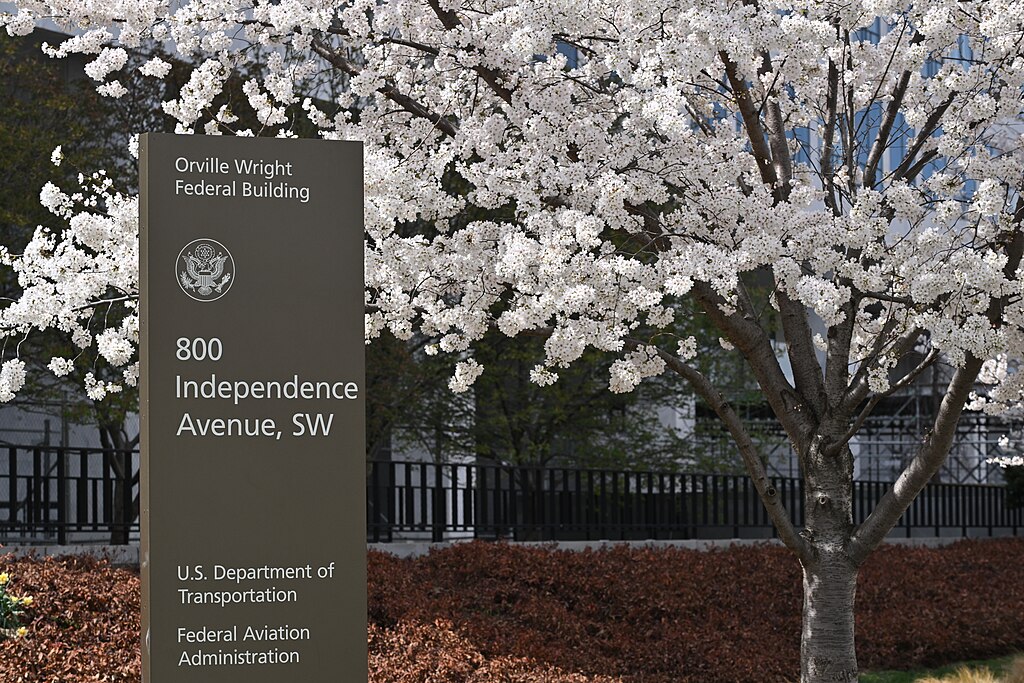
The Federal Aviation Administration announced late Sunday that it will end its mandated cuts on domestic flights at 40 major U.S. airports starting at 6 a.m. ET Monday. The decision comes as air traffic control staffing concerns continue to ease following the end of the federal government shutdown. FAA Administrator Bryan Bedford said the agency’s assessment shows a “steady decline in staffing concerns,” allowing regulators to remove earlier restrictions placed on commercial flights, space launches, and general aviation activity.
Airlines anticipated the policy change, and several major carriers told Reuters they had not canceled flights for Monday nor planned any cancellations. Despite the FAA’s earlier orders, airlines had not been consistently adhering to the required flight reduction levels. On Friday, the agency lowered its mandatory cutback from 6% to 3%, yet carriers continued operating near-normal schedules. Data from aviation analytics firm Cirium showed that airlines canceled just 0.25% of flights at the affected airports on Sunday—an even lower rate than typical operational days. Across the country, cancellations remained low at 0.36%, signaling a rapid return to normal operations.
However, the FAA confirmed it is aware of airlines’ non-compliance with the emergency mandate and is evaluating potential enforcement actions. The order allows for fines of up to $75,000 for each flight operated above the mandated limits.
The initial flight reduction policy was implemented to ease strain on the system caused by a severe shortage of air traffic controllers during the shutdown, when many employees stopped reporting to work without pay. The FAA is currently short about 3,500 controllers, forcing many to work mandatory overtime and extended schedules even before the shutdown intensified staffing gaps.
The 43-day government shutdown, which ended last week, triggered tens of thousands of delays and cancellations beginning October 1. By Friday, FAA employees began receiving back pay amounting to roughly 70% of what they are owed, marking the first step toward stabilizing the workforce and restoring full air traffic operations.
This easing of restrictions is expected to support smoother travel nationwide as airlines resume regular flight schedules and the FAA continues efforts to rebuild staffing capacity.







