


 Neuralink Expands Brain Implant Trials with 12 Global Patients
  Tabletop particle accelerator could transform medicine and materials science
  SpaceX Prioritizes Moon Mission Before Mars as Starship Development Accelerates
  NASA's Artemis II Crew Arrives in Florida for Historic Moon Mission
  SpaceX Pivots Toward Moon City as Musk Reframes Long-Term Space Vision
  Cogent Biosciences Soars 120% on Breakthrough Phase 3 Results for Bezuclastinib in GIST Treatment
  FDA Pilot Program Eases Rules for Nicotine Pouch Makers
  NASA Artemis II: First Crewed Moon Mission Since Apollo Takes Four Astronauts on 10-Day Lunar Journey
  Blue Origin New Glenn Explosion Could Delay Launch Operations Until 2028
  Trump Signs Executive Order to Boost AI Research in Childhood Cancer
  Trump Administration to Launch Autism Initiatives Targeting Acetaminophen Use and New Treatment Options
  Blue Origin’s New Glenn Achieves Breakthrough Success With First NASA Mission


 Add as a preferred source on Google
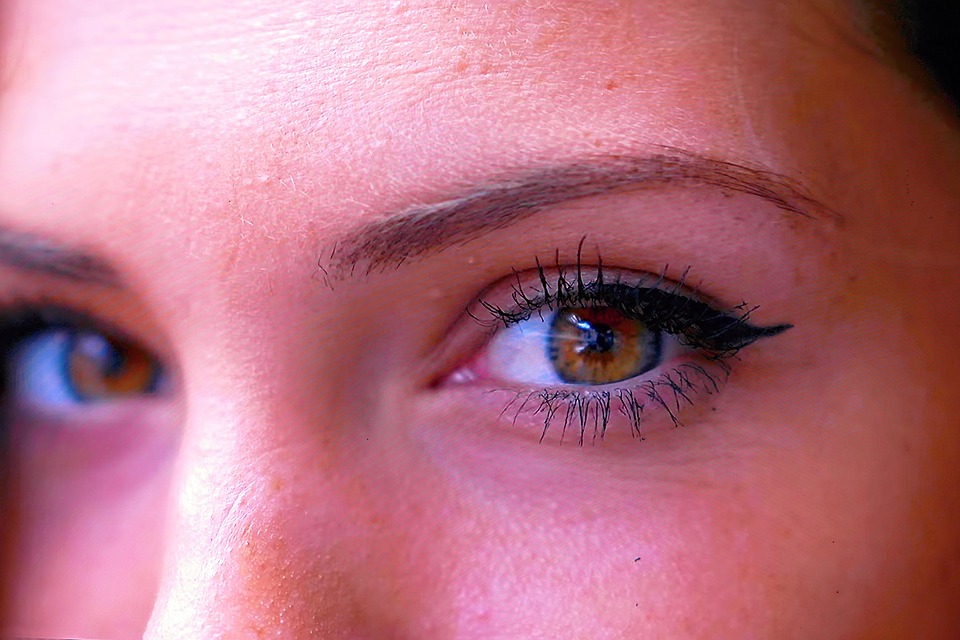
The human eyebrows are often two of the most underrated and yet essential physical aspects of a person’s appearance that influences interactions. For example, a unibrow can often result in mockery and the same goes for having barely any eyebrows. According to a recent study, however, these thin patches of hair on top of people’s eyes might have had a more practical function in the past that helped early humans survive.
Published in the journal, Nature: Ecology & Evolution, the study notes how the ability of humans to communicate using only eyebrow movements has been crucial in getting messages across without uttering a sound. Of course, most people are already aware of the fact that they can convey certain points using even subtle shifts in eyebrow placement and shapes, including anger and fear.
“As browridge morphology in this fossil is not driven by spatial and mechanical requirements alone, the role of the supraorbital region in social communication is a potentially significant factor. We propose that conversion of the large browridges of our immediate ancestors to a more vertical frontal bone in modern humans allowed highly mobile eyebrows to display subtle affiliative emotions,” the paper reads.
Translation: humans developed agile eyebrow movements to communicate without talking. Just for some context, modern-day humans who are scientifically known as Homo sapiens were higher up on the evolutionary scale with regards to this point since other species such as Neanderthals and Denisovans likely didn’t have such agile eyebrows, Big Think points out.
In terms of survival, the simple fact that one species is here and every other one is not can be taken as suggestive evidence of how Homo sapiens had an evolutionary advantage in the form of the brow. Of course, there were many other factors that likely led to the extinction of the other species of humans. Then again, perhaps they plucked their eyebrows a little too often?







