


 Johnson & Johnson Proposes $5.5 Billion Talc Settlement to Resolve U.S. Ovarian Cancer Lawsuits
  BHP, Port Hedland Unions Fail to Reach Wage Deal as Negotiations Continue
  Paramount-Warner Bros. Merger Delayed Until 2027 Amid Antitrust Lawsuit
  ASML, Applied Materials Slide as China DUV Chip Equipment Breakthrough Sparks Market Jitters
  TeamViewer Shares Fall Despite Profit Growth as ARR and Customer Base Decline
  SAP Beats Q2 Revenue Estimates as Cloud Backlog and Business AI Demand Drive Growth.
  Nvidia Invests $1 Billion in Naver as South Korea AI Data Center Expansion Gains Momentum
  CATL Shares Jump as $5.6 Billion Buyback Signals Confidence in Long-Term Growth
  Coca-Cola Raises Diet Coke Prices in India as Iran Conflict Disrupts Can Supply
  Barclays Q2 Profit Beats Forecasts as Investment Banking Strength Offsets Higher Costs
  Air Liquide Q2 Sales Growth Tops Forecast as Electronics Business Drives Strong Performance
  Galp Shares Fall After Q2 EBITDA Miss Despite Profit Beat and Higher Dividend
  Shein Reports $99 Million Loss Ahead of Hong Kong IPO as U.S. Tariffs Hit Sales
  Zabka Shares Drop 10% as Seven & i Abandons Investment Plans
  SpaceX Stock Slump Wipes Out Nearly $700 Billion From Elon Musk’s Paper Wealth
  Sika Raises 2026 Sales Outlook After Strong First-Half Results Beat Expectations
  Exosens H1 Profit Beats Forecasts as Defense Demand Drives Growth


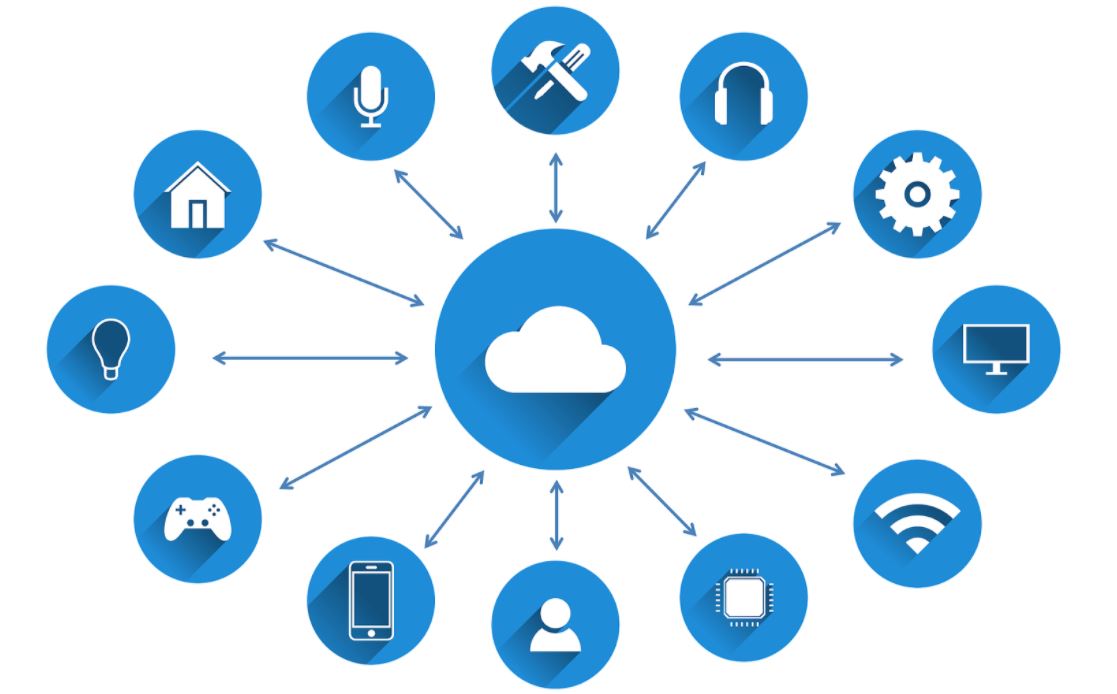
Businesses around the globe are clipping the extra hardware and space through virtualization. It helps them focus the resources on other aspects of their business. The state of virtualization is growing for decades now, and it seems it’ll grow even further. The virtualization market valued at an enthralling 62.7 billion USD in 2020. However, experts forecast that it will reach to a worth of whopping 120.41 billion USD by 2026.
What is Virtualization?
The simplest definition of virtualization would be the process of creating a virtual form of computing platforms such as hardware, storage, and network resources. Almost every business these days needs IT solutions to work efficiently. Though, not every company has to invest a large portion of their capital into procuring high-end computer systems.
There are companies that provide these services to businesses, so they don’t have to invest. The companies that provide these solutions like TRG Datacenters, have large dedicated spaces with a plethora of computing systems such as telecommunication, server, and storage systems. The businesses can use these cloud-based servers, and storage for their data.
Types of virtualization:
These are the four most common types of virtualizations that businesses are adopting all over the globe.
1. Server Virtualization
In this type, a single physical server can be divided into multiple different virtual servers, each running its own operating system.
2. Network Virtualization
Network virtualization can work two ways, either it takes different components of a network and combine them using a software into one single virtual network. Or, you can divide the resources of a network into discrete channels.
3. Storage Virtualization
This type deals with combining different physical storage locations through a software into one available storage.
4. Desktop Virtualization
In desktop virtualization, the user gets access to an isolated operating system remotely or via a connected device without the hassle of desktop environment.
Why is Virtualization Important?
With the growing population, limited resources, and the age of globalization coming to a zenith, we need to pool resources to attain a better future. Virtualization is one such way. By using virtual services businesses have much lower hardware procurement costs. Plus, less equipment means lesser energy consumption.
Furthermore, the current pandemic taught us that calamities occur and they do occur unexpectedly. With virtualization, disaster recovery is more reliable and faster. And as virtual services are very easy to use and cost very less, so working remotely in this pandemic was also viable just because of virtualization.
The Downside of Virtualization:
Yes, there are many advantages to virtualization but there are some disadvantages too. The main and prime aspect of virtualization is also its major problem. As, one piece of hardware is shared with many different clients, so it means there’s also a single point of failure. And if a datacenter fails for some reason, it can cause failure of services for millions of businesses. The best example of this is the recent OVH datacenter fire in France on 10th March, 2021. The damage caused by the fire took down millions of websites worldwide.
Furthermore, there are always concerns for the security of the servers. Securing servers can be a difficult task on such large scales and there is always the risk of data breaches. Also, businesses that need to run heavy programs also face lower performance than running the same program on a physical server.
Our take:
Though there are both pros and cons to virtualization, the advantages surely outweigh the drawbacks. The world is moving forward at a very fast pace and we need virtualization to keep up with the demands of this digital generation.
This article does not necessarily reflect the opinions of the editors or management of EconoTimes







