


 Rubio Presses Italy Over Iran Support as Tensions Test U.S.-Italy Alliance
  Trump-Xi Beijing Summit to Focus on Trade, Taiwan, and Boeing Deal
  Qatar Condemns Drone Strike as Iran Conflict Threatens Gulf Shipping and Global Markets
  U.S.-China Beef Trade Deal Hopes Rise Ahead of Trump-Xi Summit
  Russian LNG Shadow Fleet Expands Amid Arctic LNG 2 Sanctions
  Judge Delays SEC Settlement With Elon Musk Over Twitter Stock Disclosure Case
  US Revises UN Resolution on Iran Strait of Hormuz Attacks Amid Russia-China Opposition
  Judge Rules DOGE Humanities Grant Cuts Unconstitutional
  Israel’s Secret Iraq Base Allegedly Supported Iran Air Campaign, WSJ Reports
  Trump Announces Russia-Ukraine Ceasefire for May 9-11 Amid Ongoing Peace Talks
  Lula and Trump Talks Signal New Phase in Brazil-US Relations
  Germany Rejects Putin’s Proposal for Schroeder to Mediate Ukraine Peace Talks
  China-Made Fireworks Power U.S. Independence Day Celebrations Amid Trade Truce
  Trump Invites Top CEOs Including Nvidia, Apple, Boeing to China Summit With Xi Jinping
  Australia’s Wealthy Donors Shift Support to One Nation Amid Conservative Party Decline
  Israeli Strikes in Gaza Kill Three as Ceasefire Tensions Continue
  Russia Accuses Ukraine of Ceasefire Violations Amid Drone and Artillery Attacks


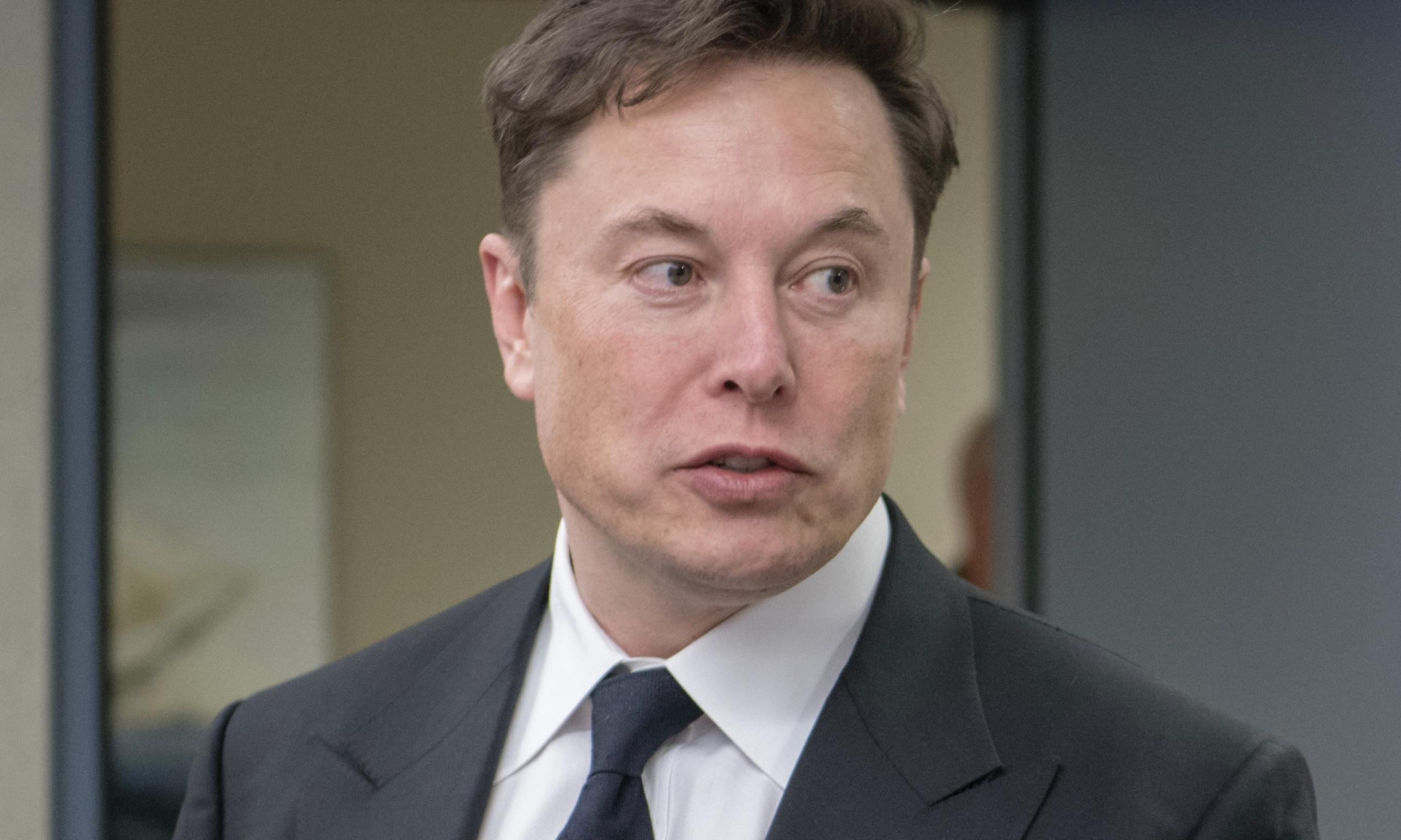
In a bold move to streamline federal operations, tech entrepreneur Elon Musk and biotech investor Vivek Ramaswamy have proposed terminating remote work privileges for federal employees. This initiative aims to reduce government size and enhance efficiency.
Appointed by President-elect Donald Trump to lead the newly established Department of Government Efficiency (DOGE), Musk and Ramaswamy outlined their strategy in a Wall Street Journal op-ed. They argued that mandating a full-time return to the office would prompt voluntary resignations, thereby downsizing the federal workforce.
"Requiring federal employees to come to the office five days a week would result in a wave of voluntary terminations that we welcome," they wrote. "If federal employees don't want to show up, American taxpayers shouldn't pay them for the Covid-era privilege of staying home."
The proposal has sparked a spectrum of reactions. Supporters assert that ending remote work will enhance accountability and productivity within federal agencies. Critics, however, contend that such a mandate could lead to the loss of skilled personnel and disrupt essential services.
Union leaders have expressed strong opposition. Jacqueline Simon, policy director for the American Federation of Government Employees, stated, "These kinds of broadsides from Ramaswamy and Elon Musk show a really tremendous level of ignorance about the operations of the federal government."
On social media, the debate is equally divided. Twitter user @PatriotGuardians expressed support, tweeting, "Finally, a move to cut government waste. #EndRemoteWork." Conversely, @JusticeForAll commented, "This is a shortsighted policy that will harm public services. #SupportFederalWorkers."
The Office of Management and Budget reports that approximately 1.1 million federal employees, nearly half of the civilian workforce, are eligible for telework.
Musk and Ramaswamy's plan includes identifying the minimum number of employees required for agencies to perform their constitutionally permissible and statutory functions. They also propose relocating federal agencies out of the Washington area to further reduce bureaucracy.
As the incoming administration prepares to implement these changes, the impact on federal operations and employee morale remains uncertain. The proposal is expected to face legal challenges and resistance from federal employee unions.
The debate underscores the broader discussion about the future of work in the post-pandemic era and the balance between efficiency and employee flexibility within government operations.







