


 Oil Prices Climb as Iran Reviews U.S. Peace Proposal Amid Middle East Tensions
  Gold Prices Surge on U.S.-Iran Ceasefire Reports
  Oil Prices Rebound as Iran Denies U.S. Talks Amid Gulf War Supply Fears
  Federal Reserve Balance Sheet Reduction: Brookings Research Outlines Possible Path Forward
  Asian Currencies Stay Muted as Dollar Holds Firm Amid Iran Uncertainty
  Wall Street Slides as Iran War Uncertainty, Oil Surge, and AI Fears Rattle Markets
  Pakistan's Diplomatic Rise: Mediating U.S.-Iran Peace Talks
  Iran-Israel Missile Strikes Continue Amid Mixed Signals on U.S.-Iran Diplomacy
  Australia's Inflation Eases in February but Core Pressures Persist
  U.S. Oil Prices Slide as Middle East Ceasefire Talks Spark Market Optimism
  WTO Reform Talks Begin in Cameroon Amid Global Trade Tensions
  Oil Prices Rebound as Iran Denies U.S. Talks, Middle East Tensions Persist
  Iran Demands Lebanon Be Part of Any Ceasefire Deal With Israel and the U.S.
  Trump Backs Down on Iran Strikes After Gulf Allies Sound the Alarm
  Trump Seeks Quick End to U.S.-Iran Conflict Amid Ongoing Middle East Tensions
  Kristi Noem Ends Western Hemisphere Tour in Diminished Role After DHS Firing
  US-Iran Ceasefire Talks Underway: What You Need to Know


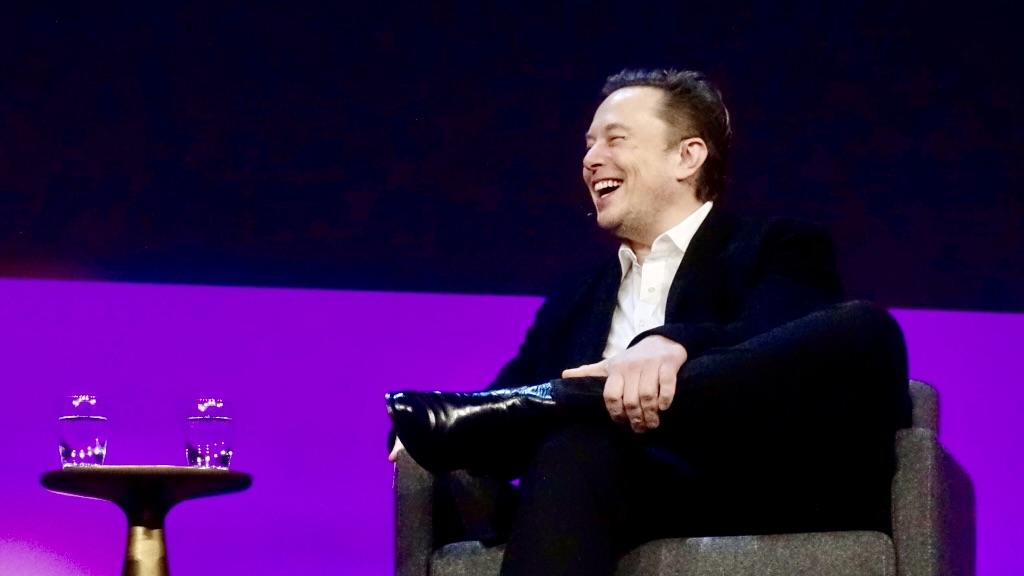
Billionaire Elon Musk and his government efficiency team have secured access to the U.S. Treasury Department’s payment system, resolving a prolonged standoff, according to The New York Times.
Musk, leading the Department of Government Efficiency (DOGE), was appointed by President Donald Trump to identify waste and fraud in government spending. His request for access to Treasury’s payment infrastructure, which processes over $6 trillion annually, faced resistance from career Treasury official David Lebryk, who was placed on leave and later retired. Treasury Secretary Scott Bessent ultimately granted Musk’s team access on Friday.
The payment system contains sensitive financial data, including Social Security payments, tax refunds, and government contractor transactions. U.S. Senator Ron Wyden expressed concerns over potential conflicts of interest, noting that Musk’s companies could be impacted by government payments. In a post on Bluesky, Wyden claimed DOGE had been given full access, raising concerns about political interference in federal funds distribution.
In a letter to Bessent, Wyden warned that tampering with the system could harm the economy. Meanwhile, Musk alleged in a post on X that Treasury officials had previously approved payments to fraudulent and terrorist organizations, though he provided no evidence.
The Department of Government Efficiency is not an official federal agency but operates under Trump’s directive from the White House. Critics fear Musk’s involvement could politicize government spending, while supporters argue his oversight will help eliminate corruption. The situation continues to spark debate over transparency and financial control in the U.S. government.













