


 Sodexo Unveils Shift & Grow 2030 Strategy, Targets Over 5% Revenue Growth by Fiscal 2030
  Apple Intelligence China Approval Lifts Alibaba and Baidu Shares
  NY Times Challenges Trump Administration Subpoenas Over Air Force One Report
  ASML Raises 2026 Outlook as AI Chip Demand Lifts Q2 Earnings
  Eli Lilly Eyes AtaiBeckley Acquisition to Expand Psychedelic Mental Health Pipeline
  Arm Stock Falls After HSBC Downgrade, Citing Limited Near-Term AI Upside
  United Airlines Beats Q2 Earnings, Raises 2026 Profit Outlook Despite Higher Fuel Costs
  DeepSeek Eyes China IPO as AI Startup Seeks $71 Billion Valuation in New Funding Round
  Richemont Q1 Sales Beat Forecast as Cartier Demand Drives Strong Growth
  Uber to Acquire Delivery Hero in $14.8 Billion Deal to Expand Global Food Delivery Business
  SEB Q2 Profit Rises on Strong Lending, Record Fee Income, Announces New Share Buyback
  Apple Intelligence Cleared for China as Alibaba and Baidu AI Power iPhone Features
  SK Hynix Stock Soars as AI Memory Demand Outlook Fuels Chip Rally
  BHP Faces Major Port Hedland Strike as Labor Talks Stall Ahead of Production Report
  Airbus Signs Cloud Deal With Scaleway to Power Secure AI and Defense Applications
  DBS Targets S$1 Trillion Wealth AUM by 2030 Amid Asia Wealth Boom
  Nvidia Partners With Fanuc and Yaskawa to Accelerate AI Robotics in Japan


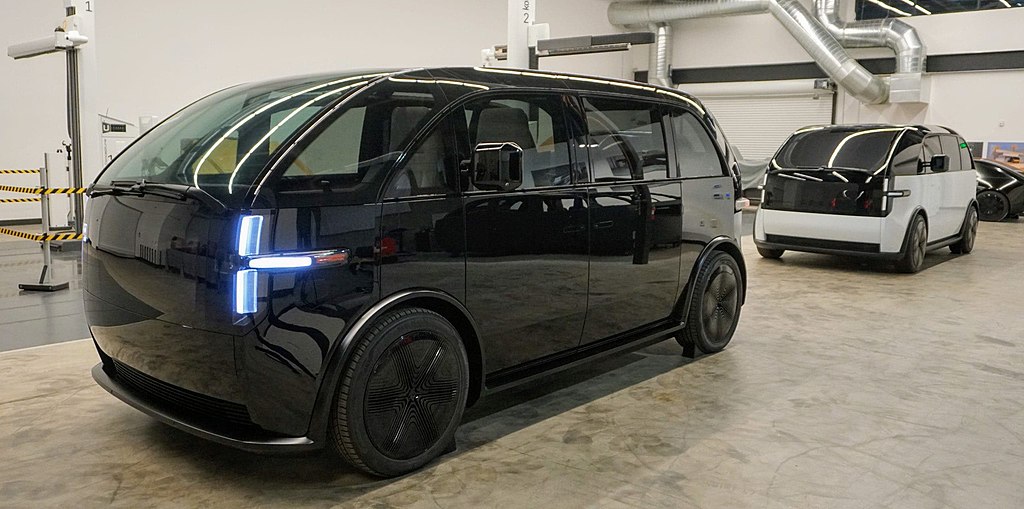
Electric vehicle (EV) startup Canoo announced on Friday that it will file for Chapter 7 bankruptcy, ceasing operations effective immediately. The company, known for its innovative microbus-inspired cargo vans, has faced mounting financial challenges, including rapid cash burn and difficulty securing additional funding.
Canoo’s struggles highlight the challenges in the competitive EV market, where high production costs and fluctuating demand can test even the most innovative players. Despite efforts to carve out a niche with its uniquely designed vans, the company failed to generate the sales needed to sustain operations.
Founded with the vision of redefining commercial EVs, Canoo gained initial attention for its futuristic vehicle designs and plans to disrupt the delivery and logistics industry. However, scaling production proved difficult as rising material costs and a tough fundraising environment compounded the company’s problems.
The bankruptcy filing marks a disappointing end for Canoo, reflecting broader challenges for EV startups navigating a competitive market dominated by established players. Industry analysts note that uncertain demand, paired with investor caution, has made it increasingly difficult for smaller EV manufacturers to thrive.
Canoo’s collapse underscores the risks associated with scaling EV production without consistent funding or market validation. The company’s failure serves as a cautionary tale for startups aiming to break into the capital-intensive EV sector, where even innovative designs are no guarantee of success.
With its closure, Canoo joins the ranks of other failed EV ventures, signaling that the race for EV market dominance remains an uphill battle.
By filing for Chapter 7 bankruptcy, Canoo will liquidate its assets, marking the end of its ambitious but short-lived journey in the EV industry.







