


 Trump Hints at Possible U.S. Takeover of Cuba Amid Deepening Humanitarian Crisis
  Iran-Israel War Sparks Global Oil Crisis as Tankers Burn in Gulf Waters
  U.S. and Russia Hold Diplomatic Talks in Florida Amid Ongoing Tensions
  Trump Administration Spent $5.6 Billion in Munitions in Opening Days of Iran Strikes
  Supreme Court Blocks California Transgender Student Privacy Laws in 6-3 Decision
  Microsoft Backs Anthropic in Legal Fight Against Pentagon's AI Blacklist
  U.S. Begins Charter Evacuations as Iran Conflict Disrupts Middle East Air Travel
  Bipartisan Housing Bill Advances in Senate, Aims to Tackle U.S. Affordability Crisis
  Federal Judge Blocks Virginia Social Media Age Verification Law Over First Amendment Concerns
  U.S. State Department Expands Charter Flights as Americans Struggle to Leave Middle East Amid Iran Conflict
  FAA Pushes for Further Flight Reductions at Chicago O’Hare Ahead of Busy Summer 2026
  Trump Doubts Iran Mining Reports as Strait of Hormuz Tensions Escalate
  Trump Administration Launches Trade Investigations Against 16 Countries Over Industrial Overcapacity
  Big Tech Signs White House Pledge to Fund Power for AI Data Centers
  Defense Contractors Move to Drop Anthropic AI After Trump Administration Ban
  FDA Warns Novo Nordisk Over Misleading Ozempic Ad Claims
  U.S. Patriot Missiles Redeployed From South Korea Amid Middle East Conflict


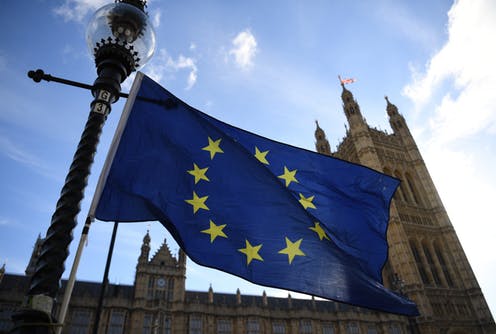
The European Commission has strongly criticized the United States over its decision to impose a visa ban on five European individuals, including former EU Commissioner Thierry Breton, calling the move unjustified and potentially harmful to transatlantic relations. A Commission spokesperson confirmed on Wednesday that the European Union has formally requested clarifications from U.S. authorities regarding the reasons and legal basis for the visa restrictions.
According to the Commission, the U.S. visa ban raises serious concerns about respect for European regulatory autonomy and the principles of cooperation between long-standing allies. The spokesperson emphasized that the EU views the measure as disproportionate and lacking transparency, especially given the high-profile status of the individuals affected and their previous roles in shaping European policy.
The European Commission underlined that it remains committed to constructive dialogue with Washington and hopes the issue can be resolved through diplomatic engagement. However, officials made it clear that the EU is prepared to act if discussions fail to produce a satisfactory explanation. “If needed, we will respond swiftly and decisively to defend our regulatory autonomy against unjustified measures,” the spokesperson stated, signaling that potential countermeasures are not off the table.
The inclusion of Thierry Breton, a former European commissioner known for his role in shaping EU digital and industrial policy, has drawn particular attention. Analysts suggest the visa ban could be linked to broader tensions between the EU and the U.S. over regulation of technology companies, digital markets, and strategic industries. While no official justification has been made public by U.S. authorities, the lack of clarity has fueled speculation and concern across European institutions.
This development comes at a sensitive time for EU-U.S. relations, as both sides continue to cooperate on issues such as trade, security, and global economic stability. European officials stress that unilateral actions like visa bans risk undermining trust and collaboration.
The European Commission reiterated its expectation that partners respect mutual legal frameworks and political independence. As the situation evolves, the EU’s response will likely play a key role in shaping the next phase of transatlantic relations, with close attention from policymakers, businesses, and international observers alike.













