


 U.S. Deploys Elite 82nd Airborne Troops to Middle East Amid Iran Tensions
  Asian Stocks Gain Amid Iran Conflict Uncertainty
  WTO Reform Talks Begin in Cameroon Amid Global Trade Tensions
  Oil Prices Climb as Iran Reviews U.S. Peace Proposal Amid Middle East Tensions
  US-Iran Ceasefire Talks Underway: What You Need to Know
  Federal Reserve Balance Sheet Reduction: Brookings Research Outlines Possible Path Forward
  Iran-Israel Missile Strikes Continue Amid Mixed Signals on U.S.-Iran Diplomacy
  Bank of Japan Officials Signal Continued Interest Rate Hikes Amid Inflation Concerns
  U.S. Oil Prices Slide as Middle East Ceasefire Talks Spark Market Optimism
  Trump Says Iran Offered Major Energy Concession Amid Ongoing Negotiations
  Russia-Iran Military Alliance Deepens With Drone Shipments Amid Middle East Tensions
  Russia Strikes Kharkiv and Izmail as Cross-Border Drone War Escalates
  Trump Administration Settles Lawsuit Barring Federal Agencies from Pressuring Social Media Censorship
  Taiwan Arms Deal on Track Despite U.S.-China Summit Uncertainty
  Currency Markets Show Caution Amid U.S.-Iran Negotiations
  Israel Eyes Litani River as New Border Amid Escalating Lebanon Offensive
  Trump Administration Opens Two New Investigations Into Harvard Over Discrimination and Antisemitism


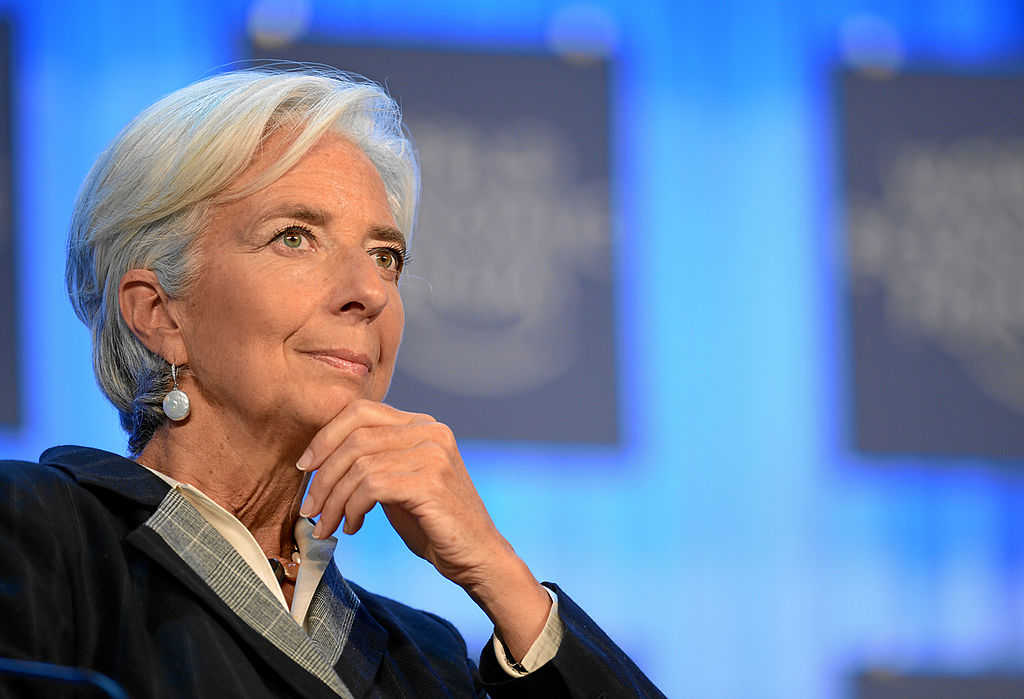
European Central Bank President Christine Lagarde says the European Union has the power to offset the economic impact of U.S. trade tariffs—if it takes decisive steps to reduce internal barriers and strengthen cross-border trade within the bloc. Speaking at a conference in Frankfurt, Lagarde explained that the EU’s long-standing export-driven economy is being challenged by rising global protectionism, including U.S. tariffs under President Donald Trump and China’s dominance over critical minerals like rare earth elements.
Lagarde noted that while external pressures are reshaping global trade dynamics, the EU can bolster its resilience by making trade among its 27 member states more efficient. She highlighted the Netherlands as an example of a highly open economy with comparatively low internal trade barriers. According to her, ECB analysis shows that if all EU countries lowered their barriers to match Dutch levels, the bloc could reduce internal obstacles by about 8 percentage points for goods and 9 percentage points for services.
Even modest action could produce significant benefits. Lagarde emphasized that implementing just a quarter of these potential reductions would still be enough to boost internal trade and fully offset the negative impact of U.S. tariffs on EU economic growth. She also encouraged member states to pursue broader structural reforms, such as harmonizing value-added tax systems and developing EU-wide corporate law frameworks. Lagarde even proposed exploring a voluntary “28th regime” that would streamline cross-border business operations across the union.
Beyond trade reforms, Lagarde credited fiscal spending—especially in Germany—for helping to cushion the region’s economy during turbulent times. She reaffirmed the ECB’s commitment to maintaining price stability after its substantial interest rate cuts in 2024 and 2025, underscoring that policymakers remain ready to adjust monetary policy as needed to keep inflation aligned with the central bank’s target.
Lagarde’s message is clear: while global protectionism poses challenges, the EU has untapped economic potential within its own borders. By lowering internal barriers and modernizing regulations, the bloc can strengthen growth, enhance competitiveness, and better navigate an increasingly uncertain global landscape.













