


 RBI Uses $10 Billion Currency Swaps to Drain Excess Rupee Liquidity
  China Cuts Tariffs on U.S. Farm Goods but Excludes Soybeans
  BlackRock’s Rick Rieder Favors Bonds Over Stocks as Treasury Yields Surge
  Oil Prices Slide as Middle East Flows Recover
  Global Central Banks Brace for More Rate Hikes as Inflation Risks Rise
  Central Banks Could Buy 20,000 Tonnes of Gold: BofA
  Fed Unveils Stablecoin Rules Under GENIUS Act
  BOJ Flags Import Costs and Yen Shocks as Persistent Inflation Risks
  Fed’s Hammack Says Bond Yield Surge Is Not Driven by Inflation Fears
  US Dollar Hits Two-Month High as Aussie, Pound Slide
  Trump Eyes $54 Billion South Korean Investment in Alaska LNG
  Fed’s Williams Signals One More Rate Hike Before Year-End
  Asian Stocks Fall as Bond Yields and Oil Prices Surge
  BOJ Set to Raise Rates to 1.25% as Inflation Risks Build


 Add as a preferred source on Google
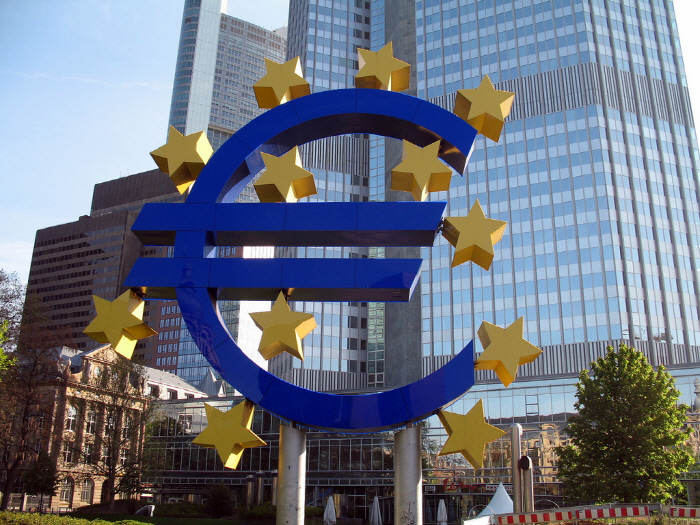
The European Central Bank (ECB) faces a complicated decision at its upcoming June meeting, as policymakers weigh inflation risks stemming from U.S. tariffs, Dutch central bank governor Klaas Knot said in an interview with Dutch financial daily FD.
"In the short term, it's 100% clear that the demand shock will dominate, so inflation will go down," Knot explained, referring to the impact of tariffs imposed by U.S. President Donald Trump. However, he cautioned that inflation risks over the medium to long term are "definitely two-sided," making the June policy discussion especially challenging.
Knot’s comments reflect growing complexity for the ECB as it prepares to update its economic forecasts during the June 4 meeting. Recent signals suggest that while policymakers are increasingly confident about cutting interest rates further as inflation continues to decline, they are cautious about making aggressive moves. Six sources told Reuters last week that many ECB governors are leaning toward another modest 25 basis point rate cut, following this month’s reduction that brought the benchmark rate down to 2.25%.
The evolving inflation landscape, influenced by external shocks like U.S. tariffs, adds a new layer of uncertainty to the ECB's cautious approach. While short-term deflationary pressures dominate, policymakers must also remain vigilant about potential upward inflationary risks over the longer term.
Knot’s remarks underline the delicate balancing act the ECB must perform as it navigates conflicting inflation signals while striving to support economic stability across the eurozone.







