


 Trump Reportedly Approves Plan to Remove FDA Commissioner Marty Makary Amid Growing Controversies
  Ukraine-Russia Ceasefire Confirmed as Prisoner Swap Deal Advances
  U.S.-China Beef Trade Deal Hopes Rise Ahead of Trump-Xi Summit
  Vietnam Plans AI-Driven Propaganda Push With Influencers and Podcasts
  Russian LNG Shadow Fleet Expands Amid Arctic LNG 2 Sanctions
  China-Made Fireworks Power U.S. Independence Day Celebrations Amid Trade Truce
  Trump Announces Russia-Ukraine Ceasefire for May 9-11 Amid Ongoing Peace Talks
  Senate Stablecoin Bill Sparks Clash Between Banks and Crypto Industry
  Pope Leo Calls for Peace as Vatican Seeks Better Ties With U.S.
  Germany Rejects Putin’s Proposal for Schroeder to Mediate Ukraine Peace Talks
  Israel’s Secret Iraq Base Allegedly Supported Iran Air Campaign, WSJ Reports
  Australia’s Wealthy Donors Shift Support to One Nation Amid Conservative Party Decline
  Malaysia Unveils Energy Security Plan Amid Iran Conflict and Rising Oil Costs
  U.S., South Korea Launch Shipbuilding Partnership Initiative
  Qatar Condemns Drone Strike as Iran Conflict Threatens Gulf Shipping and Global Markets
  Russia Accuses Ukraine of Ceasefire Violations Amid Drone and Artillery Attacks
  Israeli Strikes in Gaza Kill Three as Ceasefire Tensions Continue


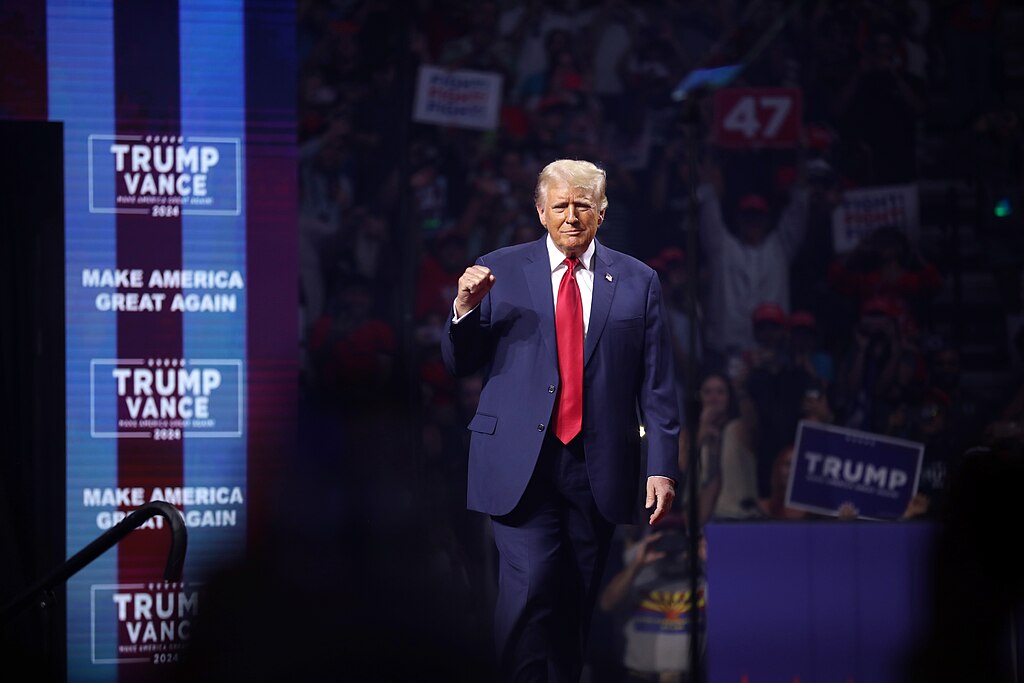
In a surprising turn of events, former President Donald Trump secured 64% of the Native American vote in the recent election, defying traditional voting patterns and reshaping the political landscape.
Historically, Native American communities have leaned toward Democratic candidates, often citing policies that align with their interests in healthcare, education, and tribal sovereignty. However, the latest election results indicate a significant shift, with a substantial majority casting their ballots for Trump.
This development has prompted political analysts to reassess the factors influencing Native American voters. Economic concerns, particularly those exacerbated by the COVID-19 pandemic, appear to have played a pivotal role. Many tribal communities faced severe economic downturns during the pandemic, leading to increased support for Trump's promises of economic revitalization and job creation.
Additionally, Trump's stance on energy policies, including support for oil and gas development, resonated with certain tribes involved in these industries. For instance, the Navajo Nation, which has significant interests in energy production, may have viewed Trump's policies as beneficial to their economic interests.
Conversely, some Native American leaders have expressed concern over this shift. They argue that while economic issues are crucial, other aspects such as environmental protection and upholding treaty rights should not be overlooked. The Trump administration's previous decisions, including reducing the size of national monuments like Bears Ears, have been contentious topics within Native communities.
The Democratic Party is now faced with the challenge of understanding and addressing the evolving priorities of Native American voters. This demographic's support is crucial in swing states like Arizona and Wisconsin, where Native votes can influence election outcomes.
Moving forward, both parties may need to engage more deeply with Native American communities, ensuring that their policies reflect the diverse needs and concerns of these populations. The recent election results serve as a reminder of the dynamic nature of voter behavior and the importance of addressing the multifaceted issues that matter to all Americans.







