


 Russian LNG Shadow Fleet Expands Amid Arctic LNG 2 Sanctions
  Ukraine-Russia Ceasefire Confirmed as Prisoner Swap Deal Advances
  Hims & Hers Halts Compounded Semaglutide Pill After FDA Warning
  Novartis’ Vanrafia Shows Strong Phase 3 Results in IgA Nephropathy, Paving Way for Full Approval
  Trump-Xi Summit Sparks Renewed Hope for Americans Detained in China
  Hantavirus Cruise Ship Outbreak Triggers Global Health Alert
  U.S., South Korea Launch Shipbuilding Partnership Initiative
  CDC Acting Director Urges Measles Vaccination as U.S. Cases Surge in 2026
  Is dark chocolate healthier than milk chocolate? 2 dietitians explain
  AstraZeneca Q1 2026 Earnings Surge on Strong Oncology and Rare Disease Drug Sales
  Supreme Court Asked to Reinstate Mail-Order Access to Abortion Pill Mifepristone
  TikTok Nears $400 Million Settlement With Trump Administration Over Child Privacy Lawsuit
  Trump Reportedly Approves Plan to Remove FDA Commissioner Marty Makary Amid Growing Controversies
  Moderna to Pay Up to $2.25B to Settle LNP Patent Dispute Over COVID-19 Vaccine Technology
  Keir Starmer Faces Leadership Pressure as Labour Turns Toward Europe
  US Revises UN Resolution on Iran Strait of Hormuz Attacks Amid Russia-China Opposition


The rate of coronavirus' spread in the United States has alarmed everyone. In just a couple of weeks, the U.S. outpaced Italy and China becoming the country with the most number of confirmed COVID-19 infections.
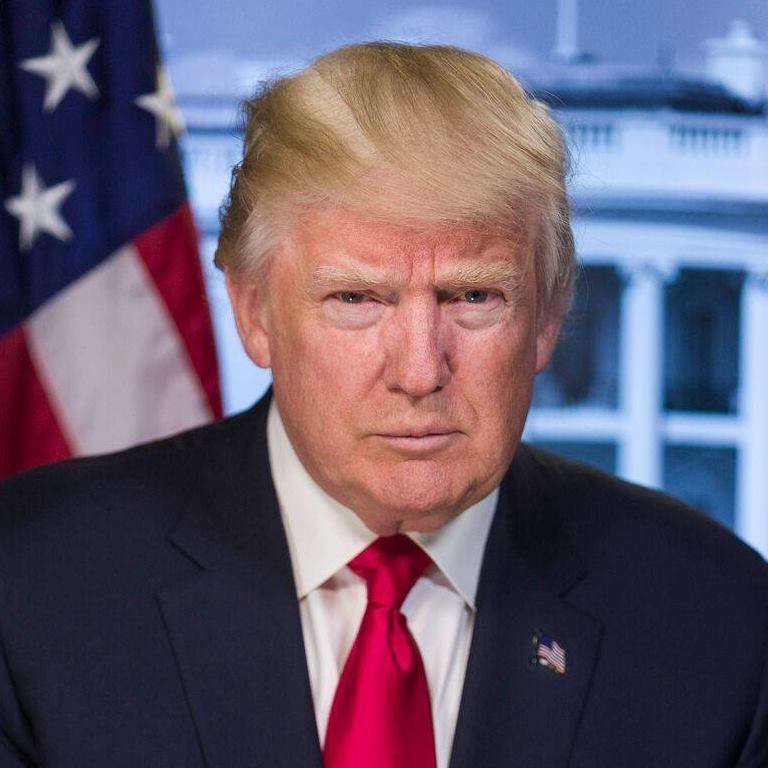
Various coronavirus hotspots soon emerged based on data. To deal with the situation, Donald Trump floated the idea of placing these areas under quarantine to prevent the virus’ spread.
“I am giving consideration to a QUARANTINE of developing “hot spots”, New York, New Jersey, and Connecticut,” President Donald Trump tweeted on Sunday, March 29. “A decision will be made, one way or another, shortly.”
However, many expressed opposition to the idea. For instance, Twitter users @4everNeverTrump believes it’s probably too late at this point.
“Even if this is legal (which it's not), it would be too late,” @4everNeverTrump commented on Trump’s social media post. “The virus is not just in NY, NJ, and CT; it is everywhere.”
There are also those who are a bit wary of what “quarantine” exactly meant for Trump. “I don’t agree with a quarantine of developing ‘hot spots’ like New York, New Jersey, Connecticut, or any other areas in the United States,” another Twitter user, Eugene Gu, MD (@eugenegu), wrote. “First of all, what does quarantine even mean for Trump? Is that where everyone can’t even leave their homes without government permission?”
New York Gov. Andrew Cuomo also opposed the idea. While he spoke to Trump on Saturday, he revealed that the idea of quarantine was never discussed.
“I don't even know what that means,” Cuomo said, according to CNN. “I don't know how that could be legally enforceable.”
The governor also pointed out that a quarantine might not accomplish anything at this stage. “And from a medical point view, I don't know what you would be accomplishing,” Cuomo added. “But I can tell you, I don't even like the sound of it.”
The quarantine plan did not come to fruition. Instead, the Centers for Disease Control and Prevention issued a travel advisory for New York, New Jersey, and Connecticut residents to “refrain from non-essential domestic travel” for the next two weeks.
CDC’s advisory, however, does not apply to those employed in critical infrastructure industries such as food supply, financial services, health professionals and trucking. Employees in these industries “have a special responsibility to maintain normal work schedules.”







